Feeding Mixed Appetites: Who Decides What Goes on the Table
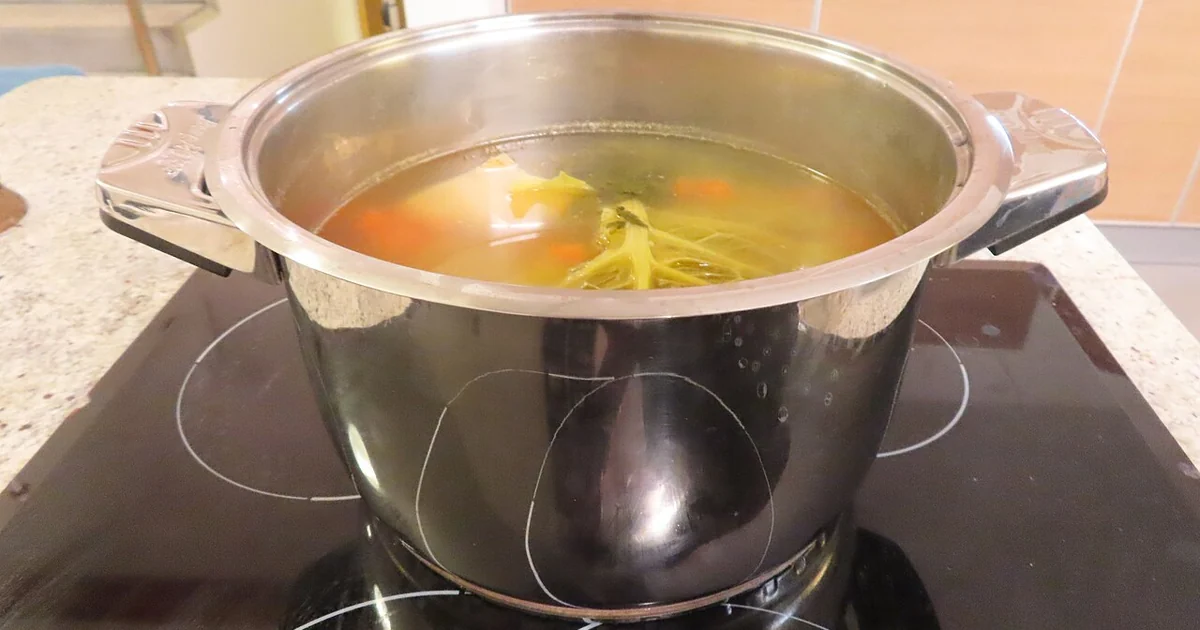
Family dinners rarely fail because of the food itself. They stall because nobody agreed in advance on who picks, how much to make, what happens if someone dislikes the main dish, and when the meal should actually start. This article takes a different angle from simply choosing a recipe: it focuses on the decision process that sits underneath family meals, whether you are cooking a pot of soup at home or choosing from a menu of comfort bowls for delivery. Happy Soup's website at happysoup.net presents a range of Filipino soups, but the questions below apply to any family meal plan.
Start With Who Is Actually Eating
Before anyone opens a menu or a recipe book, list the people who will sit at the table and what each one needs. A young child may need smaller portions and milder flavor. A teenager may want more volume. An adult who is trying to eat lighter may want a broth-forward bowl with plenty of vegetables. Writing these down takes two minutes and prevents the common situation where one soup is chosen, then half the household looks at the bowl with disappointment.
Ask three direct questions. How many people are eating and how hungry are they likely to be? Are there any foods that someone reliably avoids? Is anyone eating at a different time, such as a student coming home late or a parent working a shift? The answers determine whether you need one pot, two pots, or a single large order with extra rice on the side. Clear headcount beats guesswork every time.
Separate the Base Decision From the Add-On Decision
Many families argue about the entire meal when they really disagree about one component. Splitting the decision into layers makes it easier. First choose the base: the main soup or dish that the group will share. Then decide on sides, such as rice, a condiment, or a second dish for a picky eater. Finally settle any extras, like drinks or dessert. Working in this order keeps the conversation focused and stops a single preference from derailing the whole plan.
When someone cannot agree on the base, offer a rule rather than a vote. For example, the person who cooked last week does not choose this week, or each person gets one veto that must be used before the group decides. These rules are not magic, but they replace open-ended negotiation with a predictable process.
A Quick Checklist Before Ordering or Cooking
Use the following plain-language checklist before committing to a meal. First, confirm the headcount and note any strong dislikes. Second, decide how much food is realistic: plan for the largest appetite, then add a margin for leftovers you actually want. Third, check timing: when does everyone need to eat, and how long will preparation or delivery take? Fourth, identify one backup option in case a preferred dish is unavailable or a child changes their mind at the last minute. Fifth, assign one person to confirm the final choice so that nobody reorders or re-cooks by accident.
If you are ordering, also read the item descriptions closely and check whether any add-ons or upgrades change the portion or flavor enough to matter for your group. If you are cooking, review your pantry before starting so you are not halfway through a pot discovering a missing ingredient. Neither step is complicated, but skipping them is the usual reason family meals feel chaotic.
Turning Decisions Into a Routine
The easiest family meals are the ones that run on a predictable pattern. You might designate a weekly soup night, rotate who picks the base, or keep a short list of dishes that everyone has already approved. A rotating system reduces negotiation because each person knows when their turn comes. A approved list reduces the risk of a bad surprise because you are choosing from options that have worked before.
Review the routine occasionally. Ask whether the portions were right, whether the timing worked, and whether anyone felt left out of the choice. Small adjustments made after one or two rounds usually solve problems that would otherwise repeat for months. The goal is not perfection but a shared table where the decisions feel fair, the food arrives when expected, and nobody spends the meal managing disappointment.