Family Meal Math: Matching Soup Portions to Real Appetites
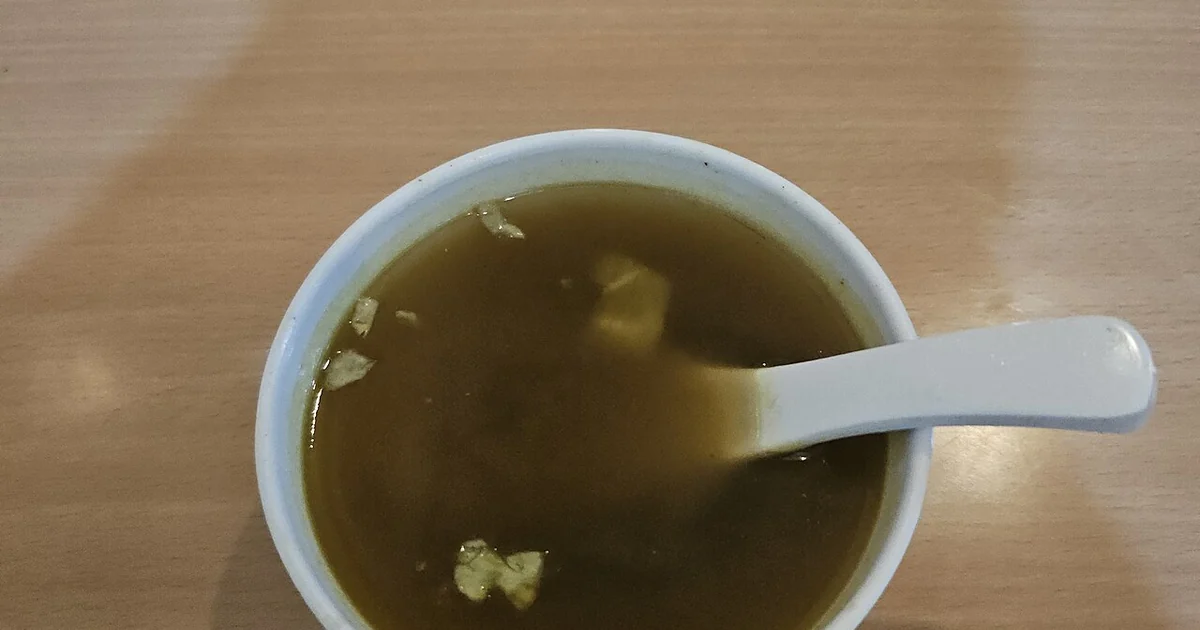
Most family dinner disappointments are not about flavor. They come from arithmetic. One person arrives starving and finds the bowl half empty, a teenager eats three servings and leaves nothing for lunch, a child refuses everything but the noodles, and somebody else wanders in late and asks what is left. A soup meal has an unusual advantage here, because a pot can stretch, hold, and reheat in ways a plated dinner cannot. But that flexibility only works if you plan the quantity on purpose. This guide offers a method for estimating how much soup your household needs, how to adjust for variation in appetites, and what to ask before you cook or place an order for a shared table. The approach is general, and it applies whether you simmer at home or choose from a menu.
Start With Who Actually Sits Down
Begin with a head count, but do not stop there. Write down each person who will eat, then add a short note beside each name about what that person usually does at a meal. Someone who eats a large portion of rice and only a few spoonfuls of broth is different from someone who will drink the broth first and ask for seconds. Children often eat in bursts, finishing quickly and then leaving the table, while adults may linger and return to the pot. These patterns matter more than the raw number of people.
A useful habit is to observe three or four ordinary dinners and note what was finished, what was pushed aside, and who came back for more. After a few weeks, you will have a realistic picture that beats any general rule. If you cook for guests occasionally, treat them as a separate category and plan a bit more generously, since guests rarely announce how hungry they are.
Translate Appetites Into Working Portions
Once you know your household's patterns, convert them into a working portion count. A common starting approach is to plan one full bowl for each adult, a smaller bowl for each older child, and a half bowl for younger children, then add roughly a fifth more volume to the pot for unexpected appetite. This is a planning heuristic, not a nutritional standard, and you should adjust it based on what your own table actually finishes.
Consider the difference between soup as the main dish and soup as a companion. When soup is served with rice or bread, people fill up on the starch and eat smaller bowls of soup. When soup stands alone, quantities rise sharply. Decide in advance which role the soup plays, because that decision changes the pot size more than almost anything else. A pot that feeds four comfortably as a side may leave you short when it has to carry the whole meal.
A Checklist Before You Cook or Order
Before committing to a pot or a shared order, run through a short set of questions. First, how many people are eating, and how many of them are unpredictable, such as a teen who may or may not come home? Second, is the soup the main dish or a companion to rice or bread? Third, will there be leftovers you actually want, or would you rather cook a smaller batch and avoid waste? Fourth, does anyone have a dietary preference, allergy, or texture concern that would make a single shared pot harder to serve? Fifth, how will the food be held or reheated if people eat at different times?
If you are ordering rather than cooking, add a few questions specific to delivery. Check how the portions are described and whether the quantity is stated per serving or per container. Ask whether extra containers or sides are needed to round out the meal. Confirm the expected arrival window, because a generous soup order loses its appeal if it sits too long. None of these answers requires special expertise. They simply turn a guess into a deliberate choice.
Planning for Leftovers Without Overbuying
Leftovers are the most common result of overestimating, and the most common cause of waste. Plan them the way you plan the main meal. If you want a second dinner from the same pot, cool the soup promptly, store it in shallow containers, and reheat only what you will eat. If you do not want leftovers, cook a smaller batch from the start, since reducing a pot after the fact usually changes the flavor and texture in ways you may not like.
A simple rule helps: decide before the first bowl is served what the leftover plan is. Either the pot is for tonight only, or it is for tonight and one more meal, and the amount you cook follows from that choice. Writing the plan on the container label or in a shared note keeps the whole household aligned.
Adjusting Quantity Over Time
Family appetites change with the season, with growth spurts, with busy weeks and quiet ones. Revisit your numbers every month or so. Note whether the pot empties too quickly, whether bowls go untouched, or whether someone regularly asks for more. Small corrections add up. A household that tracks its patterns for a few months usually settles on a reliable default and only needs to adjust for special occasions.
Keep one more principle in mind: it is easier to add a side than to rescue a pot that is too small. If you are uncertain, lean slightly toward more soup and use rice, bread, or vegetables to stretch the meal. That approach keeps the soup satisfying, reduces the pressure of getting the math exactly right, and makes the table feel generous rather than rationed.