Comfort Recipes Through Pantry Timing: Matching Restocks to Soup Plans
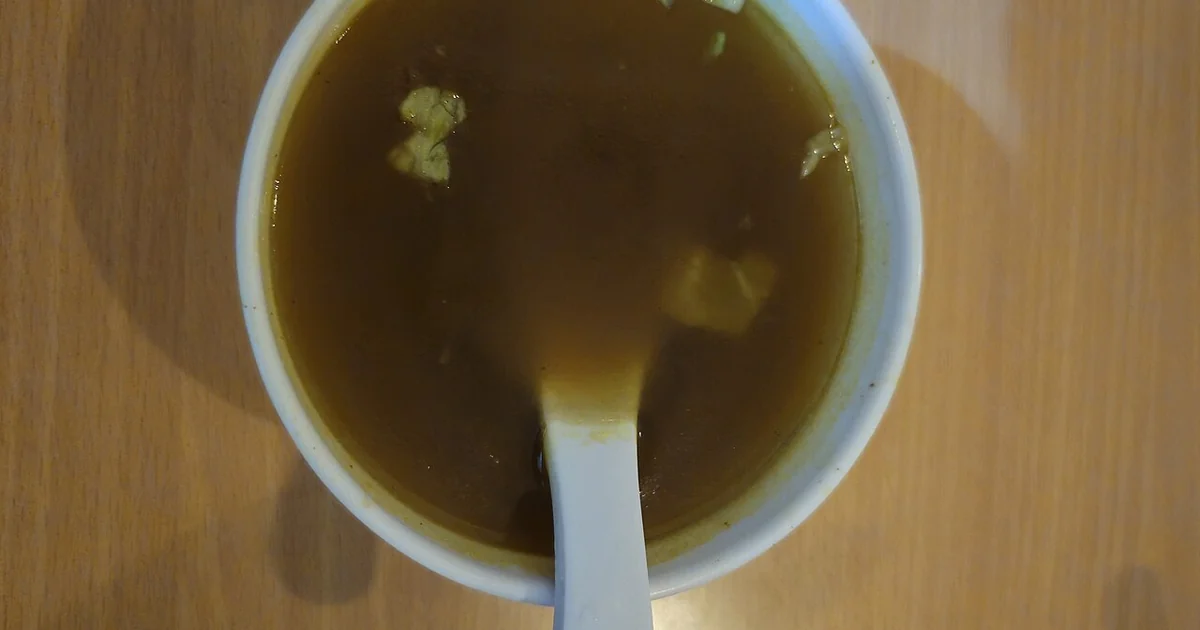
Most soup nights go wrong before the pot ever touches the burner. The broth runs out, the onions are soft, the calamansi has gone dry, and the evening turns into a scramble. A better approach is to treat comfort recipes as a schedule rather than a sudden craving. This guide looks at how to link your pantry restocking to the soups you actually plan to make, and how to decide, honestly, when cooking at home makes more sense than ordering in. Nothing here assumes a particular outcome; it is a method you can adapt to your own kitchen and household.
Start With the Bowl, Not the Shelf
Working backward from the finished bowl is one of the most reliable ways to plan comfort food. Before you check the pantry, write down the soup you want to eat on a given night and the rough size of the group it needs to feed. A sinigang-style sour soup, a chicken and ginger broth, and a hearty pork and vegetable stew each draw on different base ingredients, and each has a different shelf life for its components.
Once you have a target, list only the items that the recipe truly depends on. Resist the urge to add extras just because they sound good. Ask yourself which two or three components define the flavor and which ones are optional garnish. This small exercise tends to reveal that most comfort soups rely on a stable core, with fresh elements added near the end.
Map Restock Timing to Your Soup Calendar
Pantry restocking works best when it follows a calendar rather than panic. Pick one or two days each week for a quick check of your soup staples, and keep a simple written list of what you use most often. Note which items spoil quickly, such as fresh herbs and leafy greens, and which keep for weeks, such as dried spices, canned goods, and bouillon.
A practical rule is to restock the perishable items within a day or two of the soup night they serve, and to restock the durable items on a monthly cycle. This keeps your refrigerator from filling with things that will rot before you cook them, and it keeps your cupboard from holding ingredients you never reach for.
Questions to Ask Before You Cook or Order
Whether you plan to cook from scratch or order a ready-made meal, a short set of questions can prevent most disappointments. Use these as a checklist before you commit:
1. How many people are eating, and how hungry are they? Estimate portions generously for growing children and adults who work physically.
2. Do I already have the core base ingredients, or will this evening require a trip out?
3. How much active time do I have? A simmered soup that needs an hour of attention is a different plan from one that cooks while you set the table.
4. Are there dietary preferences, allergies, or spice tolerances in the household that I need to account for?
5. If I am ordering, does the menu clearly describe each soup's contents, portion size, and any add-on options so I am not guessing?
6. What will I do with leftovers, and do I have containers and refrigerator space ready?
Answering these honestly takes two minutes and often saves an entire evening of second-guessing.
A Comparison: Cooking at Home Versus Ordering In
Cooking at home gives you control over ingredients, seasoning, and portion size, and it usually costs less per bowl when you already keep the staples on hand. It also asks more of your time and attention, and it depends on your pantry being ready. Ordering in saves preparation and cleanup, and it can be a good fit for nights when energy is low or the household is hosting unexpected guests. The tradeoff is less direct control over preparation and the usual dependence on delivery timing and menu availability.
Neither option is inherently better. The useful question is which one fits the specific evening. If your pantry is stocked and you have an hour, cooking may feel rewarding. If the week has been long and the restock list is empty, ordering a warm, familiar bowl can be the sensible choice, as long as you have checked the menu details first.
Planning comfort recipes is less about perfect cooking and more about reducing surprises. Decide what you want to eat, check what you actually need, time your restocks to your calendar, and ask a few clear questions before the pot is on or the order is placed. With that routine in place, soup night becomes something you anticipate rather than something you scramble to rescue.