Feeding Two Generations at One Table: Questions That Make Family Soup Meals Work
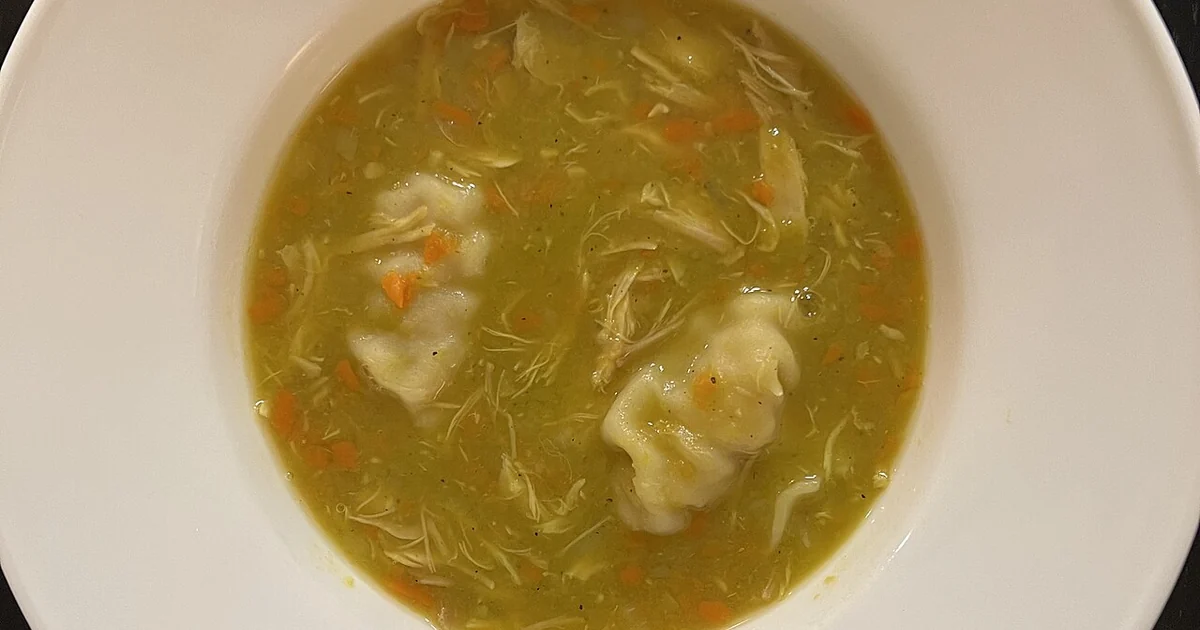
A family meal rarely fails because of the soup. It fails because nobody agreed on who was eating what, when the pot would be ready, or how much rice would stretch across a table of mismatched appetites. A toddler wants plain noodles, a teenager wants extra protein, a parent wants vegetables that do not turn to mush, and a grandparent wants a little less salt. This article is about the planning questions that turn that tangle into a calm, shared meal. It focuses on method rather than promises: how to decide, how to prepare, and how to check that your plan still makes sense on the night.
Start With the Table, Not the Recipe
Before choosing a soup, write down everyone who will be seated and one honest sentence about what each person typically eats. This is not a judgment exercise. A child who only eats the broth and the rice is information you can use, not a problem to solve tonight. Likewise, an adult who wants a spicier bowl or a larger portion of protein can be planned for in advance.
Count the people, then count the meal occasions. Is this dinner for four, or dinner for four with a late arrival and a school-night rush? Families often plan for the best-case table and then scramble when one person is delayed. A useful habit is to cook for the people present now, then set aside a small, clearly labeled portion for anyone who arrives later.
Ask one question that sets the tone: which element is shared, and which is personal? In many Filipino-style soup meals, the pot itself is shared while toppings, sauces, and extra protein can be individual. Decide early which parts belong to the pot and which belong on the plate.
Separate the Shared Pot From Personal Plates
The most reliable way to serve mixed appetites is to keep the soup base simple and move the variety to the edges. Cook one well-seasoned base, then let each person add their own rice amount, vegetables, or protein from small bowls set in the middle of the table. This reduces the number of pots you need and keeps flavor consistent across the meal.
Build a short list of add-ons before you cook. Common options include steamed rice, a squeeze of calamansi or lemon, fish sauce for those who want it, chopped scallions, and a separate bowl of cooked noodles or greens. Having these ready means a child can skip the spice while an adult adds more, without anyone cooking twice.
When you season the base, aim for a level that the most cautious eater will accept, then let stronger tastes come from toppings. Salt is the easiest thing to adjust at the table but the hardest to remove from a pot, so err on the side of less and offer seasoning on the side.
A Checklist for Mixed-Appetite Soup Nights
Use this sequence the evening before or the morning of the meal. First, confirm headcount and any known preferences or restrictions. Second, decide the base soup and check that you have the pantry items it needs, including the rice or noodles. Third, prepare two or three toppings that offer contrast, such as something crisp, something acidic, and something mild.
Fourth, portion protein separately when possible. If one person wants chicken and another wants none, cooking the protein in a way that can be removed or served on the side avoids a second pot. Fifth, set the table with bowls for add-ons so people can serve themselves without reaching across the stove.
Finally, ask two questions before serving: Is there enough for a second helping of the base? And is there a plain option available for anyone who does not want the full seasoning? If the answer to either is no, adjust before the first bowl is filled.
Timing, Cleanup, and Honest Expectations
Family meals go smoothly when everyone knows when to sit down. Decide the serving time, then work backward: when the soup must be off the heat, when the rice should be done, and when the toppings should be out of the fridge. Keeping this timeline written on a notepad near the stove reduces the number of times someone asks what happens next.
Plan cleanup as part of the meal, not after it. Wipe the counter while the soup simmers, and set one person to clear finished bowls so the pot does not sit in the sink. Shared responsibility works better when it is assigned in advance rather than negotiated at the end of the night.
Set honest expectations. A mixed-appetite meal will rarely please every person completely. The goal is that everyone can find something they want to eat, that the cook is not overwhelmed, and that the table feels like a shared moment. When you review the evening afterward, note what worked and what caused friction, and carry one change into the next soup night.