Simple Ingredients Start With a Test: Which Items Earn Their Place
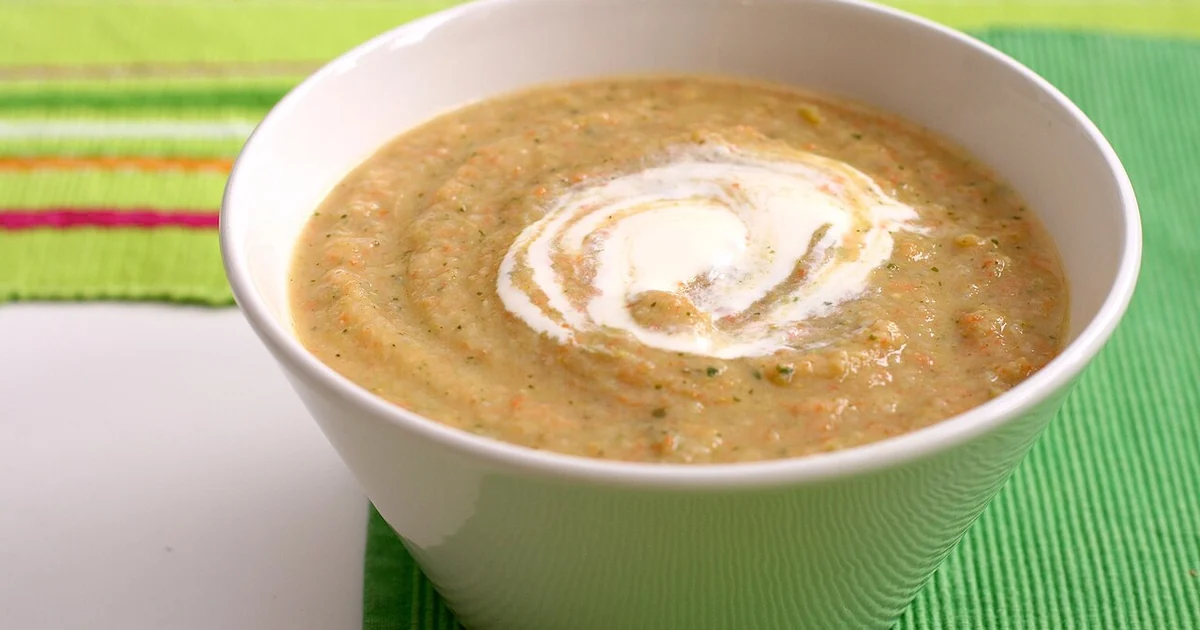
Most simple soups are not simple because they have few ingredients. They are simple because every ingredient has a clear job. When a pot tastes flat or muddy, the usual reaction is to add something new, such as another spice, a bouillon cube, or a handful of vegetables from the back of the fridge. Yet the more reliable fix is often to look at what is already in the pot and ask whether each item is pulling its weight. This guide offers a practical test for auditing a soup's ingredient list, one item at a time, so that your Filipino-style or comfort-food soups stay clear, balanced, and repeatable.
Start with the role each ingredient plays
Before deciding whether an ingredient belongs, name the job it does. In most soups, ingredients fall into a few roles: a base that provides body and depth, an aromatic that adds fragrance, a protein or starch that makes the bowl filling, a souring or acidic element that brightens the broth, a green or vegetable that adds texture and color, and a seasoning that adjusts the final balance. An ingredient that cannot be assigned to one of these roles is a candidate for removal.
Write the list on paper or in a note on your phone. Next to each item, write one sentence describing what it contributes. If you find yourself writing something vague like 'makes it taste good,' push further. Ask what specifically changes when the item is absent. Would the broth be thinner, sharper, sweeter, or less aromatic? If you cannot describe a difference, you have likely found an item that is decorative rather than functional.
Run a subtraction test on the pot
A subtraction test is the most direct way to learn what a soup needs. Cook a base batch with the core ingredients only, then taste it. Add back one item at a time in small portions, tasting after each addition. This approach is slower than dumping everything in, but it teaches you exactly what each element contributes and prevents the common mistake of masking a weak broth with too many competing flavors.
Keep notes during the test. A simple format works well: the ingredient added, the amount, and one line describing the change in the broth. Over several cooking sessions, these notes become a personal reference that tells you which items are essential for your preferred version of a soup and which ones are optional extras you can skip on busy nights.
Ask the questions that catch overbuilt recipes
Several questions help sort essentials from clutter. First, does this ingredient repeat a flavor already present? Two spices from the same family, or a vegetable that tastes like another vegetable in the pot, often cancel each other out. Second, does it need long cooking to become useful? Delicate greens added too early turn gray and lose their character. Third, could a different, simpler ingredient do the same job with fewer steps? Fourth, if you removed it, would you still serve the soup to people you want to impress?
A useful checklist to run before you cook:
1. Is there a base that gives the broth body? Confirm you have one.
2. Does each aromatic add something distinct? Remove any that duplicate.
3. Is there one item that brings brightness or balance? Include it if the broth tastes heavy.
4. Are the vegetables timed so each one is cooked when it should be? Separate any that need different cook times.
5. Does the final seasoning come from a small number of sources? If you use more than three or four, reconsider.
Keep a shortlist of tested bases
Once you have tested a few soups, save the versions that worked as a shortlist. Note the exact ingredients, quantities, and the order they went into the pot. A shortlist turns soup night from a guessing exercise into a repeatable routine. It also makes it easier to compare a homemade soup against a restaurant or delivery version, since you can ask concrete questions about what you are tasting.
If you prefer to order some meals instead of cooking every night, the same questions apply. Look at how a dish is described, ask what its core components are, and decide whether those components match the flavor you want. The goal in either case is to choose on purpose rather than by impulse.