Family Meal Timing: Questions That Get Everyone to the Table Together
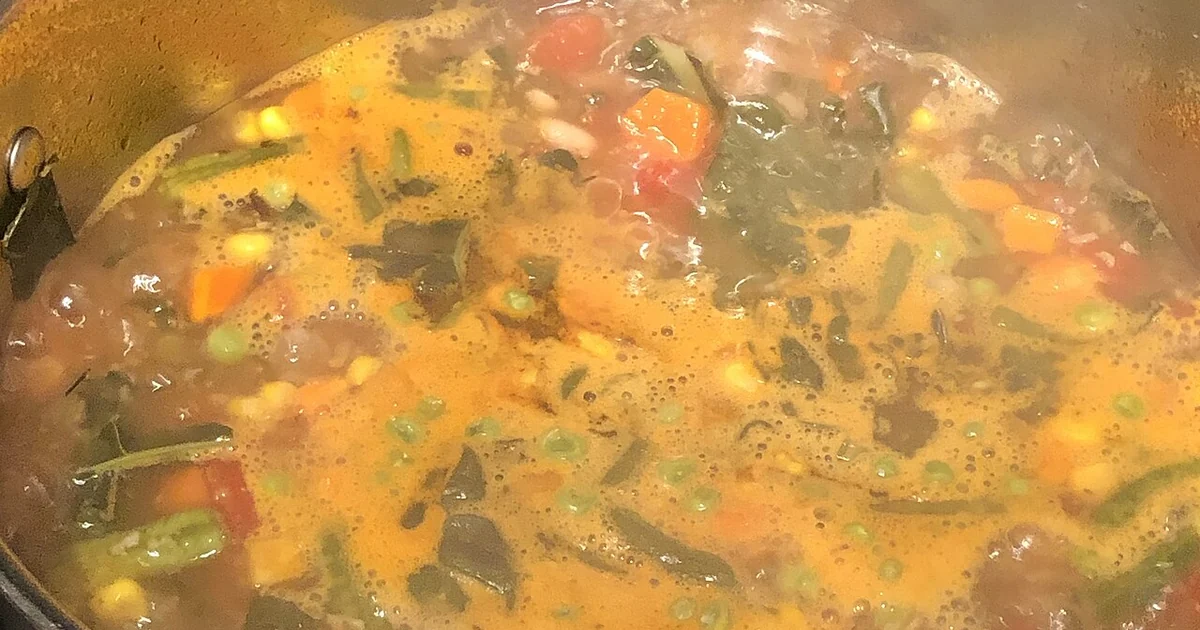
Family dinners rarely fail because of the food. They fail because the timing is off: one person arrives forty minutes late, a child is starving at six, and the soup that was ready at seven has gone cold by the time everyone sits down. Soup is a forgiving format for a crowded table, but only if the schedule around it is clear. This guide offers a set of questions and a simple method for planning family meals that center on soup, whether you cook from scratch at home or order a pot-sized meal to be delivered through Foodpanda or directly from Happy Soup at happysoup.net. The aim is not perfection. It is fewer surprises between the first bowl and the last.
Start With the Calendar, Not the Recipe
Most families choose a dinner and then try to fit people around it. Reverse the order. Before you decide between a tamarind-based sour soup and a creamy one, write down who is home, who is not, and when each person needs to eat. A school pickup at 5:15, a late shift that ends at 7:30, and a toddler who melts down after 6:00 p.m. each point to a different meal window.
Ask yourself three questions. Which person has a fixed time they must be at the table? Which person can eat later without complaint? Which person needs food earlier because of age, activity, or medication schedules you already know about? Your answers tell you whether to serve a single pot at one time, keep a warm pot on low for a staggered meal, or plan a pot that tastes just as good reheated.
Soups that improve after resting, such as a slow-simmered chicken or pork broth with vegetables, suit staggered schedules well. Brothy soups with delicate greens or seafood are better when everyone arrives close together. Choose the format before you shop.
Match the Soup to the Appetite Mix
Families differ widely in appetite. A teenager may eat two large bowls, a grandparent may want a small portion with extra broth, and a young child may need the soup separated from its heavier ingredients. Ask how many people are eating a full bowl, how many want a light serving, and whether anyone needs a version without a particular ingredient. These answers determine whether one pot will cover everyone or whether you need a second, smaller preparation.
A practical habit is to portion the soup into serving bowls in the kitchen rather than placing a large tureen on the table. This keeps portions honest and lets adults add rice, calamansi, or extra toppings to their own bowls. It also reduces the common problem of a child reaching for the ladle and spilling broth across the table.
When ordering, check how many servings the pot is meant to provide and whether the portions suit your household. Happy Soup's listed soups come with clear descriptions on its site, so compare those with your count before you commit. Do not assume a pot sized for four will feed four adults with hearty appetites.
A Checklist for Shared-Table Decisions
Use these questions as a short checklist before you cook or place an order:
First, how many people are definitely eating, and how many might arrive late? Second, what is the latest time the soup can sit before it needs reheating? Third, does anyone have a restriction you must plan around, such as a dislike of a main ingredient or a need for milder seasoning? Fourth, who will serve, and where will the bowls come from? Fifth, what will you do with leftovers, and do you have containers and fridge space ready?
Write the answers on a single card or phone note. Families who do this regularly report fewer last-minute changes. The card does not need to be elaborate. Its job is to make the decisions visible before the pot starts to smell and the kids begin asking when dinner is ready.
Plan the Reheat and the Hand-Off
The hardest part of a staggered family meal is usually not cooking. It is the hand-off between the pot and the bowl. A soup kept at a low simmer for an hour is fine, but one left at room temperature for long periods is not. Plan a reheat step for every late arrival. Bring the soup to a rolling boil before ladling, then lower the heat to keep it hot while people eat.
Decide ahead of time who owns the pot. One adult serving from the kitchen keeps the process orderly and prevents three people from reheating the same batch. If you are ordering delivery, plan for the moment the containers arrive: clear counter space, have bowls ready, and keep the lid on until everyone is seated.
A simple rule helps: anything that will wait more than about an hour before it is eaten should be cooled and stored, then reheated fully when needed. Reheating only the top layer or warming it until lukewarm is a common mistake that leads to unevenly heated food.
Keep the Routine Flexible
A family meal plan should bend without breaking. Some weeks will bring unexpected guests, a missed bus, or a child who suddenly refuses the vegetables they loved last month. Revisit the calendar question each week rather than treating your first plan as permanent. Over time you will notice patterns: Thursdays are always crowded, weekends allow slower simmering, and a particular family member prefers the soup on the side rather than in the bowl.
The goal is a table where people arrive without rushing, eat what they can comfortably manage, and leave without feeling that dinner was a negotiation. Soup, handled with clear questions and a little planning, can deliver that outcome again and again.