Judging a Comfort Bowl by Its Broth: A Tasting Sequence for Home Cooks
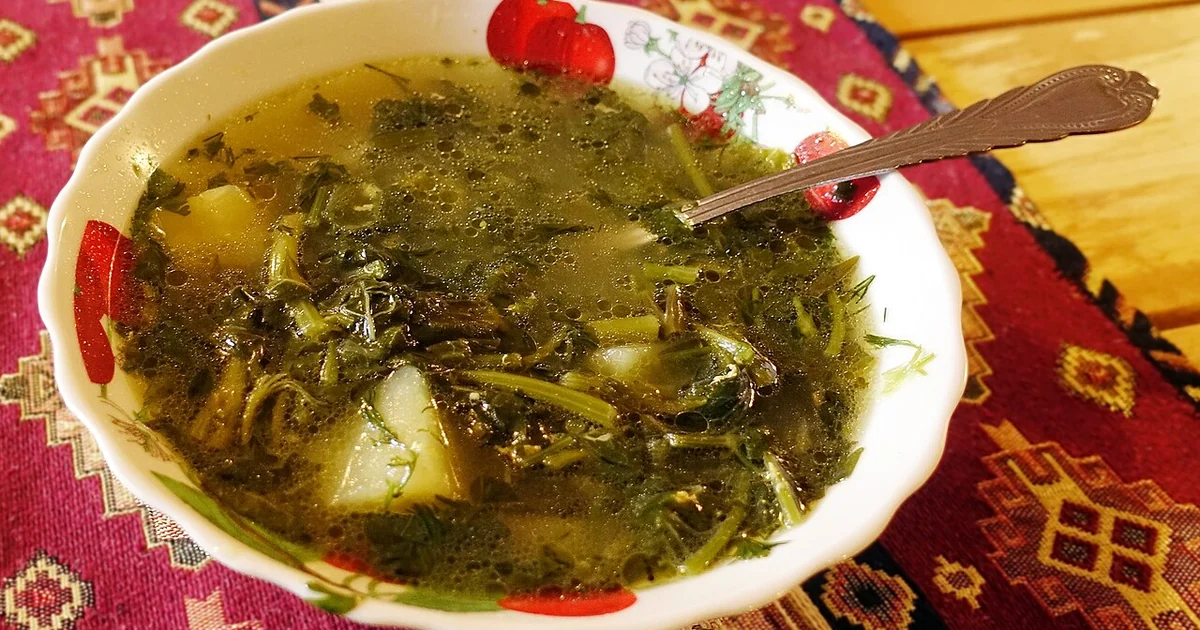
Most comfort soups are judged by the first spoonful, but the most useful verdict comes from the broth itself. A broth shows whether the cook understood balance, heat, and timing before any garnish or side dish gets involved. This guide offers a repeatable way to taste and evaluate a Filipino soup from the bottom of the bowl upward, whether you are testing your own pot or deciding what to order for a family table. The method is simple: separate the broth from everything else, taste it at defined stages, and ask specific questions at each stop.
Taste the Broth Before the Toppings
Start by tasting a spoonful of broth alone, without rice, greens, protein, or sauce. Keep the temperature warm rather than scalding, because heat dulls the sense of salt and sourness. Note the first impression, then wait a few seconds and notice what lingers. A good broth usually has a clear core flavor, such as the tang of tamarind in sinigang or the savory depth of a stock-based soup, followed by a finish that does not feel flat or sharp.
Ask whether the broth tastes like one thing or several things competing. A broth with too many ingredients can taste muddy, while a broth built from a few deliberate elements usually reads cleaner. This is not a rule against complexity. It is a reminder that every item in the pot should have a reason to be there. When you cook at home, write down what went in and what you could taste afterward, then adjust next time.
Check Balance Before Adding Heat or Salt
Balance is the most common weak point in home-cooked soup. Taste for salt, sour, sweet, and savory separately before deciding anything is wrong. If the broth tastes harsh, the problem may be acidity added too early or too late, not a lack of salt. If it tastes dull, it may need a longer simmer to concentrate, a pinch of salt added in stages, or a splash of acid at the end to lift the other flavors.
Use a short checklist when adjusting: Is the broth salty enough on its own? Does the sour note feel sharp or rounded? Is any sweetness coming from vegetables or from added sugar? Does the aroma match the bowl you intended to make? Change one variable at a time and retaste after a few minutes, since flavors settle as the pot rests.
Judge Texture and Clarity
A comfort soup should feel satisfying in the mouth without being heavy by accident. Look at the broth's clarity. A cloudy broth is not automatically bad, since some traditional preparations are naturally opaque, but unexpected cloudiness can come from boiling too hard, from starch released by overcooked vegetables, or from skipping the skimming step. Skimming foam early keeps the broth cleaner and makes each flavor easier to identify.
Texture matters as well. Vegetables should be tender without dissolving, and proteins should be cooked through but not stringy from overcooking. When you evaluate a soup you did not make, ask whether the components were added at staggered times. Staggered addition often signals a cook who understood how long each ingredient needs.
A Practical Comparison for Ordering or Cooking
When you are choosing between a homemade pot and a ready-to-eat order, compare them on the same few points. Taste clarity: does the broth taste distinct and balanced? Seasoning control: can you tell whether salt and acid were adjusted, or does everything taste loud? Freshness of aroma: does the steam smell like the soup you expected? Portion logic: does the amount of broth match the amount of solids, so every spoonful feels complete?
For a home cook, a simple checklist helps. Before serving, taste the broth alone. Confirm the balance of salty, sour, and savory. Check clarity and texture. Ask whether each ingredient is still doing its job. If the answer to any question is no, make one small change and taste again. For a shared family table, invite each person to name one thing they noticed in the broth. Their observations will show you what to keep and what to simplify next time.