Kitchen Habits That Keep a Simmering Pot Steady From Start to Finish
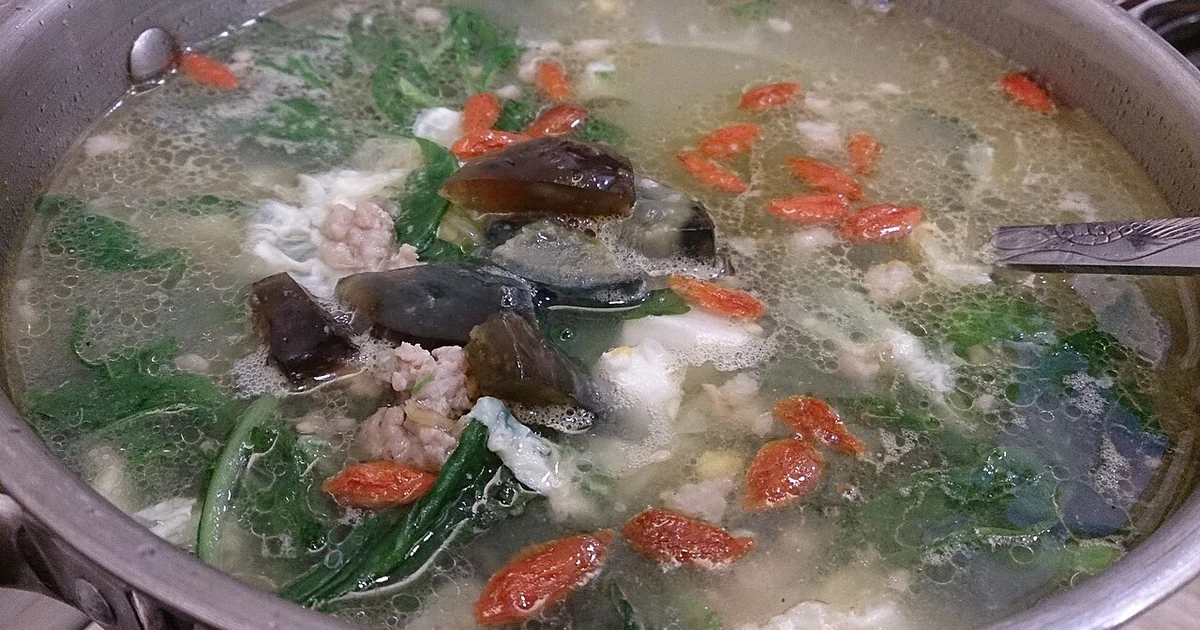
Most soup problems do not start at the stove. They start earlier, when a pot is filled too quickly, the heat is set too high, or the cook is pulled away at the wrong moment. A few repeatable habits can prevent most of those mistakes. This article looks at one angle that is easy to overlook: the rhythm of heat, pauses, and checks during the hour a soup is actually cooking. The goal is not a perfect recipe but a kitchen routine that makes a simmer predictable, whether you are cooking a light sabaw or a richer, slower pot.
Decide the simmer before you turn on the burner
A simmer is a target temperature range, not a guess. Before you light the burner, decide what you want the pot to do: a gentle bubble at the edges, a steady rolling boil for a short stretch, or a near-still surface for a long, slow cook. Each of these calls for a different starting setting, and most home cooks reach for high heat by default because it feels productive.
A practical habit is to write one line on a notepad or the recipe card: the goal state and the time you expect to reach it. For example, 'Bring to a boil, then drop to low so only small bubbles break the surface.' This takes thirty seconds and makes every later decision easier, because you are comparing the pot to a plan rather than to memory.
Build a heat log you can actually follow
A heat log is simply a short list of what you did and when: the burner setting at the start, the time you lowered it, and any adjustments. It sounds fussy, but it solves a common frustration. When a soup tastes different the next time you make it, you usually cannot tell whether the change came from the ingredients or the heat. A log gives you something to compare.
Keep the log in your phone's notes or on the back of a pantry list. Record three items: the starting setting, the minute you reduced it, and whether the surface was still, gently moving, or rolling. Over a few weeks you will learn your own stove. Many home ranges run hotter at the back burner or on one side, and a log reveals this faster than any general advice.
Schedule short checkpoints instead of constant stirring
Stirring every few seconds does not improve a soup, and it often breaks down delicate ingredients. A better approach is to set checkpoints at planned intervals, such as every ten or fifteen minutes. At each one, you look at the surface, taste a spoonful, check the texture of any vegetables or starches, and decide whether to adjust heat, add salt, or add the next ingredient.
Checkpoints also protect you from the most common cause of scorched bottoms: walking away during the thickest part of the cook. If you know the next check is in twelve minutes, you can use that window to wash prep bowls, wipe the counter, or set the table, and then return without guessing how long it has been.
A short checklist for the hour of cooking
Before the pot goes on, confirm that you have the stock or water measured, the aromatics cut, and a spoon and tasting spoon within reach. Then work through these questions at each checkpoint: Is the surface doing what my plan says? Does the broth taste balanced or does it need a pinch of salt? Are the hardest ingredients close to tender? Has the heat changed since the last check? If any answer is no, make one small change and note it.
After the soup is finished, take thirty seconds to read your heat log. Note what you would repeat and what you would change next time. This habit turns every pot into a small test, and within a few cooks you will have a reliable personal routine.
Plan the handoff from stove to table
The end of a soup is also a transition. A pot that sits covered on a turned-off burner keeps cooking for a while, so the final taste should be checked before you switch off the heat, not after. Decide in advance whether the soup will be served right away, held warm at very low heat, or cooled for later. Each option has different timing needs, and deciding first avoids a rushed guess at the last minute.
Keep a clean spoon and bowl ready for tasting, and set a timer for the last checkpoint so you are not still adjusting when everyone is waiting at the table. A calm finish is the result of a calm rhythm throughout the cook.