Subtracting Ingredients From Filipino Soup Until Only the Essentials Remain
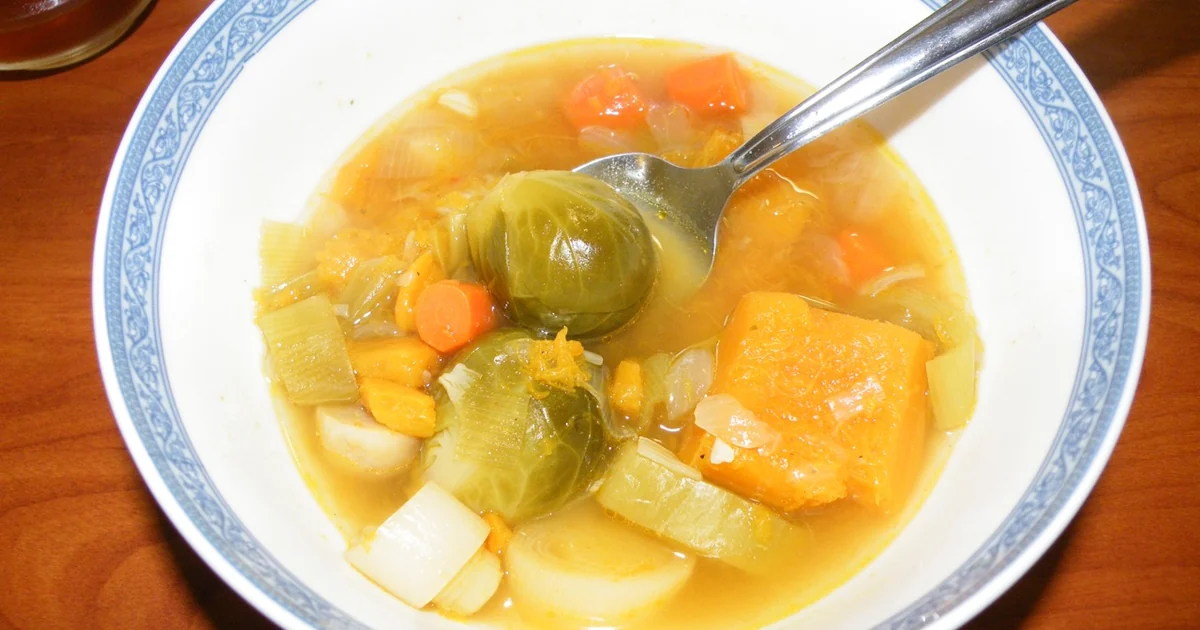
Most soup recipes grow over time. A cook adds a vegetable here, a seasoning there, and eventually the pot holds twelve items where five would have tasted better. Subtraction works in the opposite direction. Instead of asking what else to add, you ask what would happen if one ingredient were removed. This article describes a practical way to run that test on a simple Filipino soup, so you can see which items carry the flavor and which ones only add clutter, cost, and cleanup. The method is general cooking practice, not a fixed recipe, and it works whether you cook for yourself or for a family.
Start With a Full Pot You Already Trust
Before removing anything, cook a version of the soup that you already like. Write down every ingredient, including salt, water amounts, and the order you added things. This is your baseline. Without it, you cannot tell whether a change improved the soup or simply made it different.
Taste the finished pot and note what each component seems to contribute. Is the broth sour, rich, or mild? Does the protein taste like itself, or does it blend into the liquid? Does the vegetable add sweetness, bitterness, or only texture? Write one short sentence for each ingredient describing its job. If you cannot describe a job, that item is a candidate for removal.
Remove One Ingredient at a Time
The most common mistake in subtraction is removing several items at once. When the soup changes, you will not know which absence caused it. Change one variable per batch. If you are working with a small pot, cook two half-portions side by side, one with the ingredient and one without, using the same stove, the same timing, and the same pot if possible.
Taste both versions while they are still warm, then again after they have rested for ten minutes. Some flavors feel sharper or flatter as they cool. Record the difference in plain words: thinner, saltier, less aromatic, or no noticeable change. A change you cannot describe is still worth noting, because it helps you decide later whether the ingredient is worth buying and storing.
Judge Removal Results by Function, Not Preference
Taste preference matters, but subtraction is most useful when you judge results by what the soup needs to do. A comfort soup usually needs a savory base, a clear sour or aromatic note if the style calls for one, a protein or starch that makes it filling, and enough salt to make the flavors readable. Ask whether the soup still meets those needs after the removal.
If the soup becomes flat, the removed ingredient may have been a flavor carrier. If it becomes unbalanced, another item may have been covering for a missing element. If nothing changes meaningfully, the ingredient may be decorative for your purposes. Keep notes on these outcomes so you can compare them across several batches.
A Short Checklist for Your Subtraction Test
Use this sequence each time you test a soup. First, cook and record your full baseline version. Second, write one sentence describing the job of each ingredient. Third, choose one ingredient with an unclear job and prepare a reduced batch without it. Fourth, taste both versions warm and again after resting. Fifth, record whether the change was a loss, a gain, or no difference. Sixth, decide whether to keep the ingredient, remove it permanently, or test it again with a different amount.
Repeat the process for the next questionable ingredient only after you finish the current one. Over several weeks, your notes will reveal a core list of items your soup depends on. That list is often shorter than the original recipe, and it gives you a clear reason for every item in your pantry.
Keeping Your Pantry Honest After the Test
Once you know which ingredients matter, adjust your shopping and storage habits to match. Keep the essentials stocked and avoid buying items that your tests showed you do not need. Store opened ingredients according to their labels and your own judgment, and discard anything that has changed in smell or appearance. Writing a simple restock list tied to your core soups prevents the pantry from filling with half-used bags.
Subtraction is not a permanent rule. Tastes change, seasons change, and sometimes a family member prefers a fuller bowl. Revisit your notes when you cook for a new group or try a different style of soup. The goal is not the smallest possible list. The goal is a list where each item has a reason to be there.