Working Backward From the Bowl: A Reverse-Planning Method for Comfort Soup
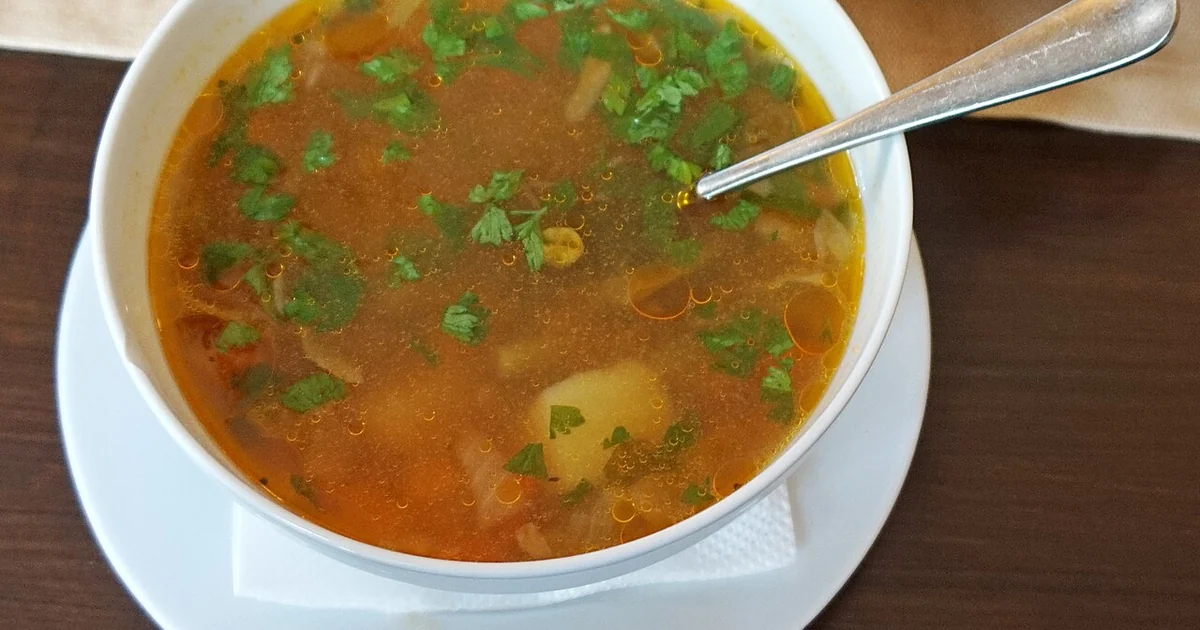
Most home cooks begin a soup by reaching for a pot and asking what is in the fridge. That approach can work, but it often leads to bowls that taste muddy, overseasoned, or thinner than expected. A different starting point is to decide what the finished bowl should feel like before touching a single ingredient. Ask whether you want something brothy and light, thick and savory, sour and bright, or rich and slow-cooked. Once that target is clear, every later decision becomes easier to judge. This article walks through a reverse-planning method you can use for Filipino-style soups and other comfort recipes, with practical questions, a short checklist, and a comparison of two planning styles so you can see where the time savings come from.
Describe the Finished Bowl in Plain Words
Before you open a recipe, write three or four sentences about the bowl you imagine. Use everyday language rather than culinary jargon. Something like: the broth should be clear and gently sour, the vegetables should still hold their shape, and the whole thing should feel light enough for a warm evening. This description becomes your reference point. When you later wonder whether to add a second protein or another spice, you can check the choice against the sentences you wrote.
Focus on texture and aftertaste as much as flavor. Many comfort soups fail not because the taste is wrong but because the body is wrong. A broth can be well-seasoned and still feel watery, or it can taste rich yet coat the mouth in a way that dulls the next spoonful. Asking how you want the soup to finish, whether clean, lingering, or round, helps you decide how much fat, starch, or acid belongs in the pot.
Work Backward Through the Ingredient List
With the target bowl described, go through the ingredient list from the end toward the beginning. For each item, ask what job it does in the finished soup. Is it providing body, aroma, salt, sourness, sweetness, or visual contrast? Some ingredients clearly earn their place. Others are repeating a job that another ingredient already covers. When two items do the same job, you can often remove one and let the remaining item do the work more clearly.
This backward audit is useful even for recipes you have cooked many times. Over years, cooks tend to accumulate garnishes, extra seasonings, and pantry habits that nobody has questioned. A quick subtraction test, where you imagine leaving out one item at a time and predicting the difference, can reveal which ingredients genuinely shape the bowl and which ones only add noise. Keep notes on the results so future batches become more predictable.
Plan Heat and Timing From the End Result
Once the ingredient roles are clear, map the heat. Decide which components need a hard boil, which need a gentle simmer, and which should be added near the end so they keep their texture. Leafy greens, delicate seafood, and quick-cooking vegetables generally belong late in the process. Tougher cuts of meat and aromatics that need to soften usually go in early. Writing these timings on a simple card beside the stove keeps you from guessing halfway through the cook.
Reverse planning also helps you decide when to taste. Set one or two checkpoints in advance, such as after the broth has simmered for a set period and again just before serving. At each checkpoint, compare the pot against the description you wrote earlier. If the broth is too sharp, you know to adjust before the protein and vegetables have absorbed the seasoning. Tasting at planned moments is more useful than tasting constantly, because it gives you clear decisions instead of endless small corrections.
A Practical Checklist and a Quick Comparison
Before you start cooking, check the following: Have you written a short description of the finished bowl? Have you identified the job each ingredient performs? Have you marked which items go in early, mid-cook, and at the end? Have you chosen two tasting checkpoints? Have you confirmed that you have enough liquid and a pot large enough for the volume, so the simmer stays steady rather than rolling over? Answering these questions takes only a few minutes and prevents many of the problems that make soup night stressful.
Compare this with the default approach, which starts at the stove and adds ingredients as they come to mind. The default method feels faster at first, but it tends to produce longer cleanup, more adjustments, and bowls that vary from one night to the next. Reverse planning front-loads thinking, so the cooking itself becomes more calm and repeatable. Over several weeks, the difference shows up in fewer wasted ingredients, clearer flavor, and a kitchen that feels under control rather than improvised.