Soup Night From the Other Direction: Judging Comfort Bowls Before You Buy
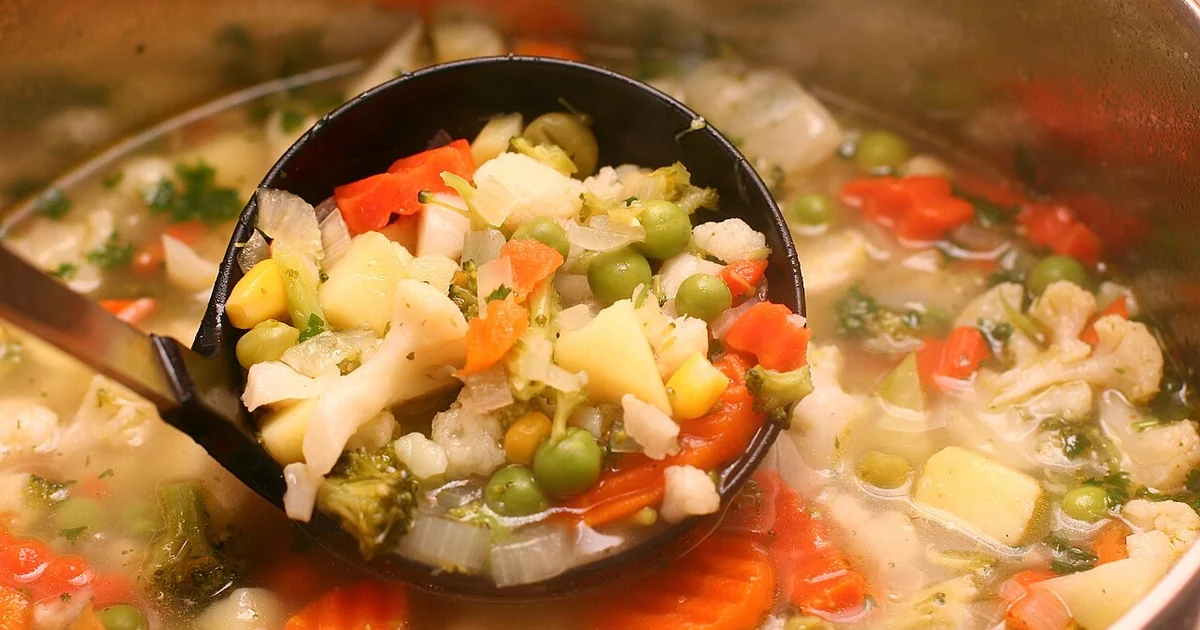
Most people decide what to eat for dinner by craving a feeling and then grabbing whatever is nearby. That works well enough on some nights, but a steadier approach is to start from the finished bowl and work backward. Ask what the soup should taste like, how filling it needs to be, who will be eating it, and how it will reach the table. Once those answers are clear, the choices about ingredients, cooking, and ordering become much easier. This article offers a method you can use whether you plan to cook a Filipino soup at home or order one for delivery through an app or a direct order.
Begin With the Bowl You Want
Before you open a recipe or a delivery app, write down three words that describe the bowl you are hoping for. You might choose warming, sour and bright, rich and slow, or light and quick. These words act as a filter. A sour tamarind-style broth and a creamy, richly seasoned one will lead you to different ingredients and different expectations, even if both are comforting.
Next, estimate the size of the meal. Think about whether the soup is the main dish or one part of a larger spread with rice and side dishes. Then count the people who will eat. A soup that satisfies two adults after a long day may feel thin to a table with teenagers who have been at practice since noon. Writing down a rough portion count keeps you from discovering halfway through the evening that the pot is too small.
Questions to Ask Before Cooking or Ordering
A short set of questions can save a lot of frustration. Start with the flavor profile: does the soup depend mostly on one dominant note, or does it rely on balance between salty, sour, and savory? Next, ask about texture. Some comfort bowls are brothy and clear, while others are thickened or contain grains and vegetables that soften over time. Texture affects how long leftovers keep their appeal.
Then consider timing. How long will the dish take from start to table? If you are cooking, check whether the recipe needs a long simmer, a quick sauté, or a separate step for a garnish. If you are ordering, check the estimated delivery window and whether the food will still be warm when it arrives. Finally, ask about preferences and restrictions in your household, such as spice tolerance, dislike of certain vegetables, or a need for a milder option for children. Writing these answers down, even in a simple note on your phone, helps you compare options fairly.
A Practical Comparison: Cooking Versus Ordering
Cooking at home gives you the most control over seasoning, portion size, and ingredient quality. It also asks more of your time and attention, especially for soups that need a slow simmer and frequent tasting. A useful test is to ask whether you have an hour of unhurried time and the pantry staples the recipe calls for. If the answer is no, a fast pot on a weeknight may end in rushed seasoning and a disappointing bowl.
Ordering shifts the work toward evaluation rather than preparation. Happy Soup, whose website is happysoup.net, offers a range of playful Filipino soups along with add-ons and delivery through Foodpanda or direct order. When you consider an order like this, compare the menu descriptions against the bowl words you wrote earlier. Check whether the options you are considering fit your portion count and whether any add-ons match the mood of the meal. Confirm the delivery method and the expected arrival window in the ordering flow, since those details come from the platform you choose rather than from any promise made here.
A simple checklist can make the decision faster. Ask yourself whether the flavor matches the words you chose, whether the portion fits the number of eaters, whether the timing fits your evening, whether any household preferences are covered, and whether the chosen route, cooking or ordering, suits the energy you have left after work. If three or four of these answers are yes, the choice is probably sound.
Keeping the Plan Flexible
Even the best plan can shift. A pot can reduce faster than expected, a delivery can run late, or a child can announce at the last minute that they want something different. Build a small margin into your evening. Keep a simple side, such as steamed rice or bread, ready to stretch the meal. Set aside a few minutes to taste and adjust before serving, because a soup that tasted flat in the middle of cooking often needs only a little more salt, acid, or aromatic to come alive.
Finally, review the evening afterward. Note what worked, such as the portion count or the timing, and what did not. Over several weeks, these notes become a personal reference that makes future soup nights calmer and more satisfying. Starting from the bowl you want, asking the right questions, and comparing your options honestly is a method that serves home cooks and comfort-food fans alike.