Comfort Recipes From the Other Direction: Working Backward From the Bowl You Want
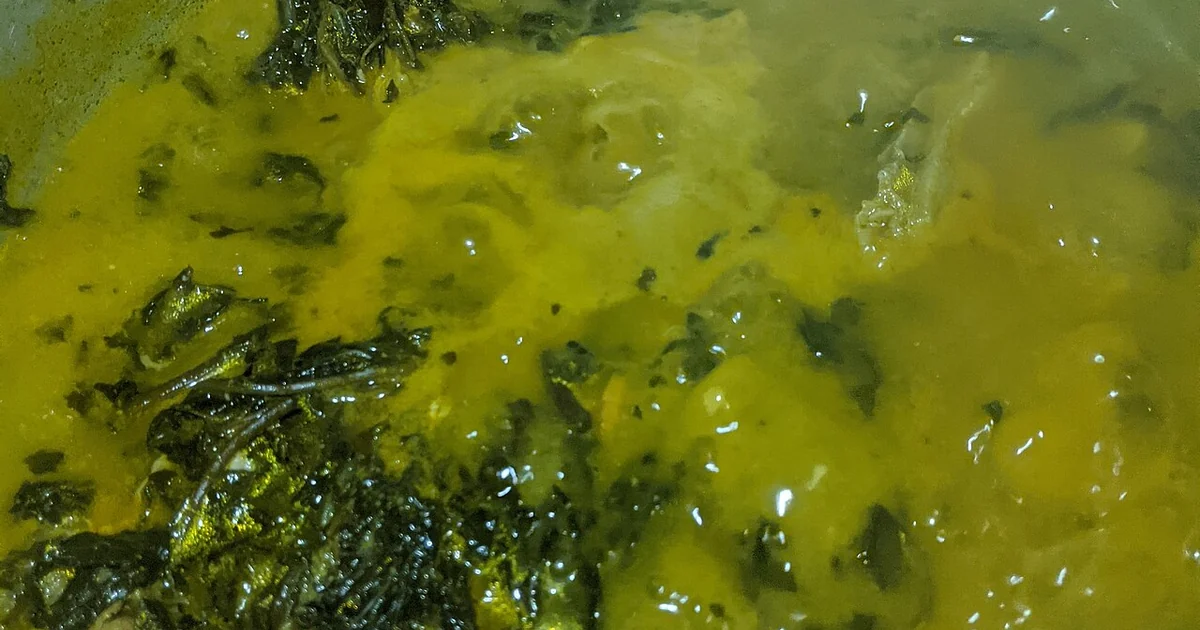
Most home cooks start a soup by pulling out a pot and deciding what to add. A different approach starts at the end: picture the bowl you want to eat, describe it in plain words, and then work backward to the base, the timing, and the checks that get you there. This method is useful for comfort food because comfort usually depends on a few specific qualities, such as warmth that lasts through the whole bowl, a broth that tastes clean rather than heavy, and a texture that suits the dish. When you know those qualities first, the rest of the recipe becomes easier to judge. The guidance below is general cooking practice and does not describe any particular product or service.
Describe the Finished Bowl in Plain Words
Before you open a recipe, write three or four sentences about the bowl you are hoping for. Keep the words concrete. Instead of saying a soup should be delicious, say that the broth should taste mostly of the vegetables with a light sourness, that the noodles should stay firm after five minutes, or that the spoon should feel rich without being greasy. These descriptions become your reference points when you taste during cooking.
Concrete descriptions also reveal conflicts early. A bowl that is both very light and very thick is hard to achieve, so you may need to choose one quality to prioritize. Deciding this before you shop prevents a common problem where a pot ends up with a little of everything and a clear identity in none of it.
Choose the Base Before the Add-Ins
The base determines most of the soup's character. Whether you start with a simple water-and-aromatics broth, a stock, or a sautéed mix of onion and garlic changes how much the other ingredients can contribute. A light base lets a single strong vegetable stand out, while a rich base can carry a more restrained selection. Settle the base first, then decide how many additional items the bowl can hold without losing its clarity.
A useful test is to ask whether each ingredient supports the base or competes with it. Fat, salt, and acid are the three levers most home cooks use to shape a broth. If a new item adds one of these in a way the base already covers, it may be redundant. If it adds something the base lacks, such as aroma or texture, it earns its place.
Build a Timing Plan Around Texture
Ingredients reach their ideal texture at different points in a simmer. Dense root vegetables need a longer start, leafy greens need a short finish, and noodles or rice can swell and soften the broth if added too early. Write a rough timeline for your recipe with four columns: what goes in first, what goes in midway, what goes in near the end, and what gets added right before serving. Even a rough timeline keeps you from overcooking the item that was supposed to stay bright.
Heat management matters as much as the order of additions. A gentle simmer is usually better than a hard boil for clear broths, since vigorous boiling can cloud the liquid and break down delicate ingredients. Adjust the burner to keep small bubbles moving steadily, and check the pot periodically rather than leaving it unattended for long stretches.
Taste Checkpoints Instead of One Final Taste
Many soups go wrong because the only taste test happens at the end, when fixing a problem requires a bigger change. Build three checkpoints into the process: once after the base has simmered, once after the main ingredients are tender, and once just before serving. At each point, compare the pot to the bowl description you wrote earlier. Is the broth too flat? Is the sourness too sharp? Is anything tasting raw or muddy?
Small corrections work better than large ones. A pinch of salt, a splash of acid, or a few minutes of extra simmering can usually fix an issue at the first checkpoint. If you wait until the end, the same fix may require adding more of something and changing the balance of the whole pot.
A Short Checklist Before You Cook
Before starting any comfort soup, confirm five things: the bowl description is written down, the base is chosen, each add-in has a clear job, the timing plan lists when each item goes in, and you have set aside time for at least two taste checks. If any item is missing, pause and fill it in. A few minutes of planning usually saves a pot that tastes unfocused.
When you are deciding between two recipes, compare them using the same questions. Which one matches the bowl you described? How many ingredients does each require, and does every ingredient have a purpose? How long does each stay on the stove, and does its timing fit your evening? A recipe that answers these questions clearly is often a better choice than one with a more impressive ingredient list but vague instructions.