Reverse-Engineering a Comfort Bowl: Start From the Taste You Want
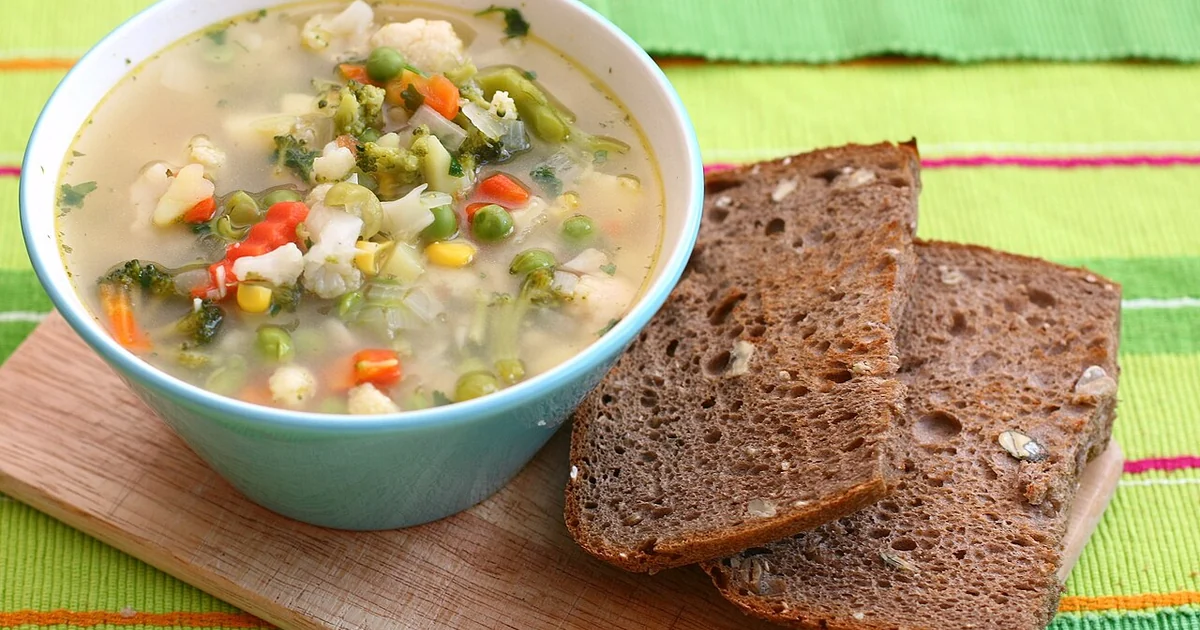
Most home cooks start a soup by reaching for a recipe, then gathering whatever the recipe demands. A different approach often produces better results with less waste: start from the bowl you want to eat and work backward to the pot. This guide walks through that method for comfort soups, with a focus on Filipino-style dishes that rely on a clear base, a few well-chosen aromatics, and a finish that brightens the whole bowl. It is a general cooking method, not a claim about any specific product or service.
Describe the Bowl Before You Shop
Before opening a cabinet or a recipe, write three sentences about the soup you want. Describe the broth first: clear and light, thick and savory, or sour and bright. Then describe the main protein or vegetable, and finally the finish, such as a squeeze of citrus, a handful of greens, or a drizzle of chili. These three sentences become your filter. Any ingredient that does not serve one of them is optional.
This habit matters because comfort soups are forgiving but not random. A sinigang-style sourness and a tinola-style ginger warmth need different supporting cast members. Naming the target keeps you from adding five vegetables when the bowl only needs two.
Work Backward to the Base
Once the target is clear, identify the base that delivers it. For a clear ginger broth, the base is water, sautéed garlic and ginger, and a measured seasoning. For a sour broth, the base includes a souring agent in an amount you can taste and adjust. Write the base as a short list of no more than five items. If you cannot name the role of each item, remove it and taste again later.
Pay attention to order of addition. Aromatics usually go in first, proteins next, and delicate greens last. Starting from the finish tells you what must wait until the end so it does not overcook.
A Practical Checklist Before the Pot Goes On
Use this sequence on your next comfort soup. First, confirm your three-sentence description. Second, list the base items and mark each with its job: aroma, body, acidity, salt, or finish. Third, check whether any item appears twice in different forms, such as a fresh and a powdered version of the same flavor; keep the one that fits the bowl better. Fourth, set aside finishing ingredients in small bowls so they are ready when the soup is nearly done. Fifth, decide your tasting points: after the base simmers, after the protein cooks, and before the final adjustment.
Ask yourself a few plain questions as you go. Does the broth taste like the sentence you wrote? Is the protein cooked through without being tough? Does the finish add brightness or just extra noise? Is there anything in the pot you could remove without losing the bowl you described?
Comparing Two Approaches
Recipe-first cooking gives you structure and a tested sequence, which helps when you are new to a dish. Its weakness is that it can encourage adding every listed ingredient, even when the bowl would taste cleaner without some of them. Target-first cooking begins with the flavor you want, so it naturally limits the list. Its weakness is that it requires enough familiarity to know which items deliver which flavors.
Most home cooks benefit from combining the two. Use a trusted recipe to learn the sequence, then apply target-first thinking to adjust the list on later attempts. Keep a short note after each pot: what tasted right, what felt crowded, and what you would drop next time. Over several weeks, these notes become your own tested method.
Keep the Method Honest Over Time
A useful habit is to cook the same comfort soup twice in a month with one variable changed each time. Change the aromatic, or the acidity, or the timing of the greens, and record the result. This turns a single soup into a small experiment and builds judgment faster than memorizing recipes. Over time, you will find that the best comfort bowls are often the simplest, and that clarity of purpose does more for flavor than a longer ingredient list.