Fewer Ingredients, Clearer Stock: A Cook's Test for Each Item in a Soup Pot
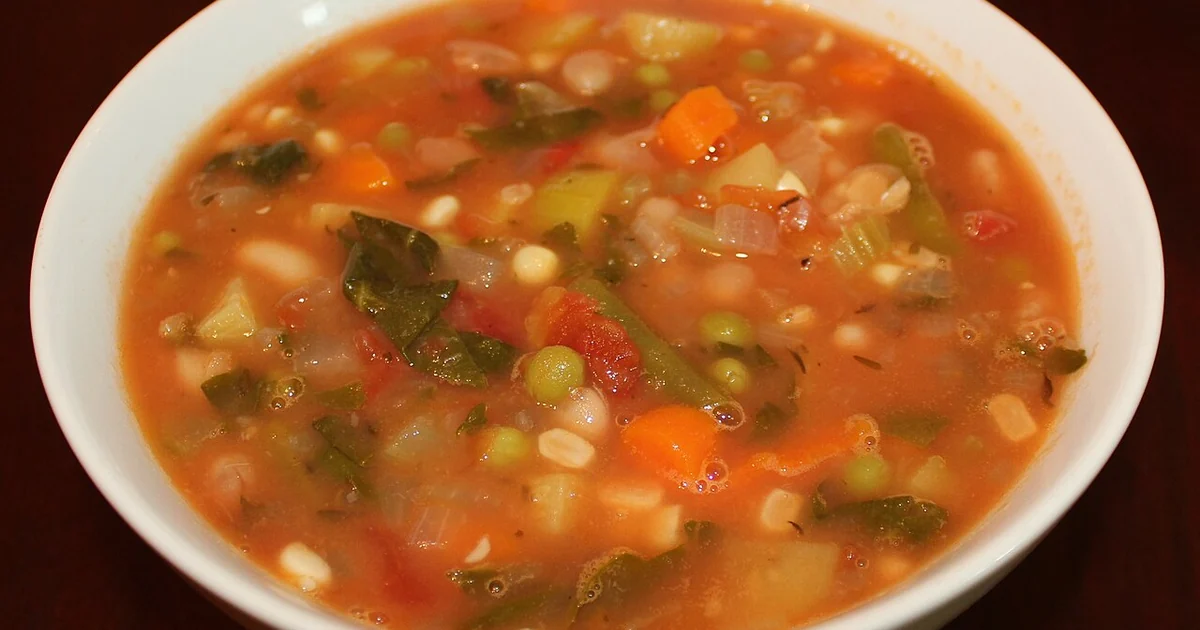
Simple soups look effortless, but they leave little room for clutter. When a pot holds only a few components, each one shows up clearly in the final bowl. A slightly too-strong seasoning, an overcooked vegetable, or a bland base is hard to hide. This makes ingredient choice one of the most important decisions a home cook makes. The useful question is not how many items you can add, but whether each item has a clear reason to be in the pot. This guide offers a practical method for auditing a soup's ingredient list before you start cooking, so the finished bowl tastes intentional rather than accidental.
Start by Naming the Job of Each Ingredient
Before you touch a knife, write down every item you plan to use and assign it a single job. Most ingredients in a Filipino-style soup fall into a few roles: the base that carries flavor, the aromatics that add depth, the vegetables that add body and texture, the protein that gives substance, and the seasoning that adjusts the balance at the end. If an item does not clearly fit one of these roles, that is a warning sign.
Be specific. Saying an ingredient adds flavor is too vague. Ask what kind of flavor it adds, whether it is sour, salty, savory, sweet, or fragrant, and whether that flavor is needed when the other items are already present. A sour element may be the reason a soup feels bright, but a second sour element may cause the broth to taste flat or harsh. Writing the job down forces you to notice overlap.
Check for Overlap and Repetition
Overlap is the most common reason a simple soup becomes muddled. Two seasonings that both bring salt, two greens with similar textures, or two aromatics that both lean sweet can blur the broth. Go down your list and mark any pair that performs the same job. For each pair, decide which item carries that role more effectively and remove or reduce the other.
A quick test helps. Taste the base before adding anything beyond water and your primary flavor source. Then add one ingredient at a time, tasting after each addition. You will notice which items genuinely change the soup and which only repeat what is already there.
Match Cooking Time to Texture
Ingredients do not all belong in the pot at the same moment. Dense root vegetables need more time to soften than leafy greens, and delicate greens can turn gray and limp if they simmer too long. Proteins also vary: some benefit from a long simmer to release flavor into the broth, while others become tough or dry if they cook too long.
Build a simple timing list. Note when each item enters the pot, how long it needs, and what texture you want at the end. If two items require very different times, consider adding the slower one first and the faster one later. Keeping a short written sequence reduces guesswork and prevents the common problem of mushy vegetables sitting beside undercooked ones.
A Practical Checklist Before You Cook
Use these questions as a final audit. First, does every ingredient have a named job? Second, is any job handled by more than one item? Third, is the base flavor strong enough to stand on its own before extra seasoning? Fourth, are cooking times compatible, or do some items need to wait? Fifth, if you removed one ingredient, would the soup be noticeably worse, or would the difference be minor? If the answer to the last question is minor, consider leaving that item out next time.
Keep notes after each pot. Record what you used, what tasted right, and what you would change. Over several weeks, these notes become a personal reference that shows which simple combinations work best in your kitchen and with your family's preferences. This habit turns a single good soup into a repeatable method.