Simple Ingredient Lists, Clearer Soup: Auditing Each Item Before It Hits the Pot
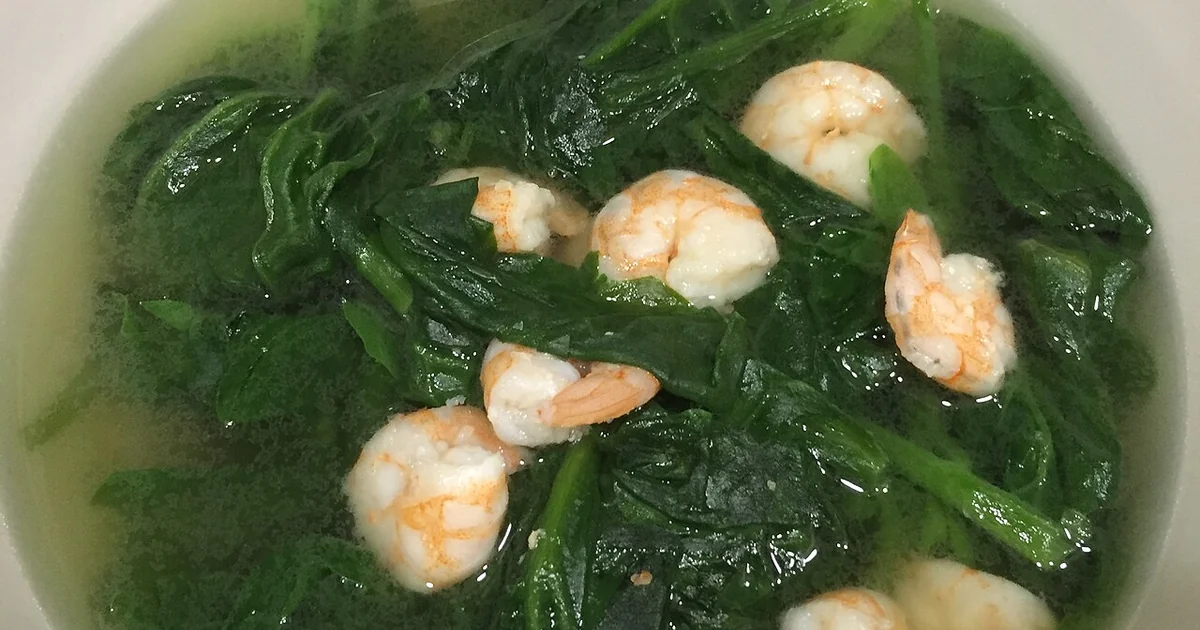
Simple soup recipes look easy because they have few lines, but a short ingredient list can still hide clutter. A pot may carry three aromatics that do the same job, a protein that gets lost under too many vegetables, or a seasoning added out of habit rather than need. Auditing an ingredient list before you cook is a quiet skill that makes a small set of ingredients taste deliberate instead of accidental. This guide walks through a method you can apply to any Filipino soup or comfort-food pot, whether you cook from memory, from a card, or from a recipe you found online. It does not require special equipment or expensive pantry items. It asks you to slow down, name the job each ingredient performs, and decide whether that job is already covered.
Start by Naming the Job of Each Ingredient
Before you touch a knife, read your ingredient list and write one short phrase beside each item describing what it does in the pot. A protein might provide body and richness. A leafy green might add color and a fresh, slightly bitter note at the end. An acidic element might brighten a broth that would otherwise taste flat. A fat, such as rendered pork fat or a spoonful of oil, carries aroma and helps round out sharp flavors. Salt is not a job of its own in most cases; it amplifies everything else, so note it separately as the final adjustment.
This exercise sounds trivial, but it exposes problems quickly. If two items both promise savory depth and neither is required for texture or color, one of them is probably there because a recipe you once read included it. Writing the job down turns a vague list into a set of decisions you can actually defend. You are not trying to strip the soup to a bare minimum. You are trying to make sure every item has a reason to be in the pot.
Look for Overlap Before You Shop or Chop
Overlap is the most common reason simple soups become muddy. Onion, garlic, and ginger are often used together, and each contributes a different aromatic register: onion gives sweetness when softened, garlic gives sharpness and warmth, and ginger adds a clean, peppery lift. Using all three is not wrong, but if the soup is meant to taste lightly of chicken and vegetables, three competing aromatics can drown out the main note. Decide which one is the anchor and treat the others as optional.
A useful test is to ask whether removing an item would change the soup in a way you would notice. If you cannot tell the difference after a sample spoonful, that item is a candidate for cutting. Be honest with yourself here, because habit is strong. Many cooks add a cube, a packet, or a splash of sauce simply because it has always been in the recipe, not because the broth needs it. Testing removal is one of the fastest ways to build judgment about what truly carries flavor.
Check Texture and Color Coverage
Flavor is only part of the picture. A simple soup should also offer something to chew, something to look at, and a range of temperatures or softness across the bowl. If your ingredient list has only soft items, such as a long-simmered broth with soft vegetables and tender meat, the spoonful may feel monotonous even when the taste is good. Adding a crisp element at the end, such as fresh greens or a sliced aromatic, can rescue the bowl without adding more cooking time.
Color is a related check. Pale soups benefit from a green or red accent, not for decoration alone but because visual contrast signals freshness and helps the eater start with interest. Ask yourself whether the final bowl has at least one item that looks bright, one that looks rich, and one that looks clean. If it does not, consider whether a single added ingredient would close that gap.
A Short Checklist for Your Next Pot
Use this plain checklist before you cook. First, write one job per ingredient. Second, flag any pair of items that performs the same job and decide which one to keep. Third, identify the anchor ingredient that carries the main flavor, and confirm that nothing else competes with it for the same role. Fourth, confirm that the bowl will have some texture variety, with at least one element that is not fully softened. Fifth, check that at least one element adds color or freshness near the end of cooking. Sixth, decide the salt plan: whether you will season during simmering, at the end, or both, and taste before adjusting.
Finally, ask whether the list is the right length for the time you have. A shorter list is not automatically better, but a list you can prepare calmly is often more successful than an ambitious one you rush. If your audit leaves you with five or six items, you have likely made the soup more legible, which is exactly the goal of simple cooking.
Keep a Simple Record After Each Pot
The audit does not end when the soup is served. Write a few notes afterward: which ingredient you missed least, which one felt unnecessary, and what the bowl seemed to need. Over several weeks, these notes become a personal reference that is more useful than any general rule. You will learn that your household likes a particular aromatic balance, or that a certain green fades too quickly to be worth adding early. This habit turns each pot into a small experiment and steadily improves your judgment about simple ingredients, one bowl at a time.