Comfort Recipes Need Sequencing: A Week-Long Test Kitchen Method
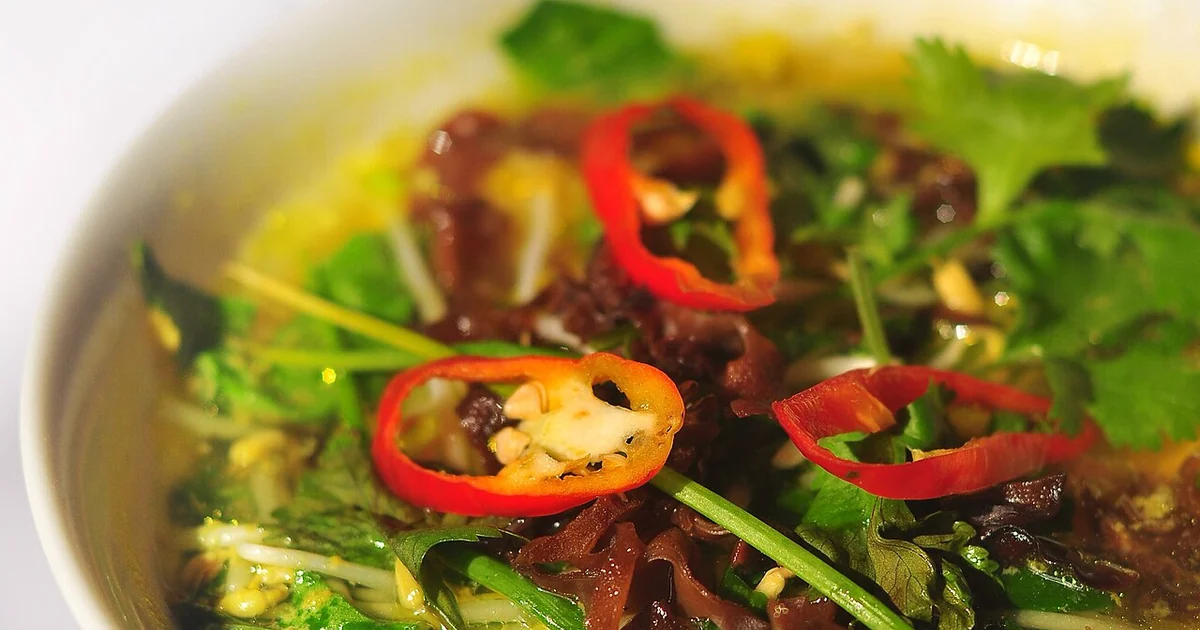
Most home cooks decide whether a comfort recipe is worth keeping after one dinner. That single meal is often a poor test. A soup might taste excellent when the family is hungry and the kitchen is calm, then feel tiring the next time when the stove is busy, the pantry is thin, and the timing slips. A better approach is to treat a new comfort recipe like a small experiment. Over several days, you watch how it behaves in different conditions and record what you learn. This article describes a week-long test kitchen method you can apply to any warming soup, including Filipino dishes such as sinigang-style sour broths, tinola-style ginger chicken soups, and other home favorites. The goal is not perfection. The goal is to learn which recipes fit your real kitchen before you commit to them.
Start With a Single Question You Can Answer
A week-long test works best when you begin with one clear question rather than a vague wish to cook better. Instead of asking whether you like a recipe, ask something you can observe: Can I finish this soup within forty-five minutes on a weeknight? Does the broth still taste balanced after I reheat it the next day? Will my children eat the vegetables if they are cut larger? A specific question tells you what to watch for and keeps your notes useful.
Choose one recipe, not three. If you spread your attention across several pots at once, you will not know which variable caused a problem. Write the recipe on a card or in a notes app and mark the ingredients you already have. The first day's notes should record the starting conditions: the time you began, the number of people eating, and whether any ingredient was a substitute.
Run the Recipe Under Three Conditions
Cook the soup three times across the week, changing one condition each time. On the first night, follow the recipe as written with normal attention. On the second night, cook it while also handling a second task, such as preparing a side dish or helping with homework, so you experience the interruptions real families create. On the third night, make a smaller batch for fewer people. Small batches reveal whether seasoning depends on volume, since a splash of fish sauce or calamansi that tastes right in a large pot may overwhelm a small one.
After each session, write down three things: the total active time, the moments you had to wait, and the taste you noticed at the end. Keep the notes brief and factual. Phrases like "broth turned flat after ten minutes on low heat" are more useful than "didn't love it."
Test Reheating Before You Need It
Many comfort soups are made ahead for busy evenings, so reheating matters as much as the first cook. On the fourth day, take leftovers from the first batch, refrigerate them promptly in shallow containers, and reheat a portion the next evening. Check whether vegetables have softened too much, whether proteins have turned tough, and whether any sour or acidic notes have faded or sharpened. Adjust seasoning gently after reheating, since flavors often change once the soup has rested.
Pay attention to food safety basics during this step. Cool leftovers in a timely way, store them covered in the refrigerator, and reheat until the soup is steaming hot throughout. Follow current guidance from your local food safety authority for storage times, because those recommendations can vary.
Use a Short Checklist to Decide
At the end of the week, review your notes and answer these questions in plain terms. Did the recipe fit the time you actually have? Did it stay pleasant after reheating? Did the ingredient list require anything you could not easily restock? Did anyone at the table ask for seconds or request a change? If most answers are yes, the recipe earns a permanent place in your rotation. If the timing was the main problem, look for a shorter version. If the flavor faded, try adding acidity or fresh aromatics just before serving rather than at the start.
A useful comparison is between a recipe you cook once and a recipe you can repeat. Repeatable recipes usually share three traits: a predictable number of steps, forgiving timing, and ingredients you keep on hand. A recipe that scores well on taste but poorly on these traits may still be worth cooking for special occasions, which is also a valid decision.
Turn Results Into a Standing Recipe Card
Once a recipe passes your test, rewrite it as a card you can use without rereading your notes. Include the realistic active time, the reheating instructions you verified, and any substitutions that worked. Add a short line about who in your household tends to enjoy it. Over a few months, these cards become a personal shortlist of comfort soups that fit your kitchen, your schedule, and your people.
The method is simple, but it changes how you cook. You stop judging recipes by a single impressive bowl and start choosing them by how they perform across ordinary weeks. That is the kind of reliability comfort cooking should offer.