Kitchen Habits That Keep Your Simmer Steady Before the Pot Boils
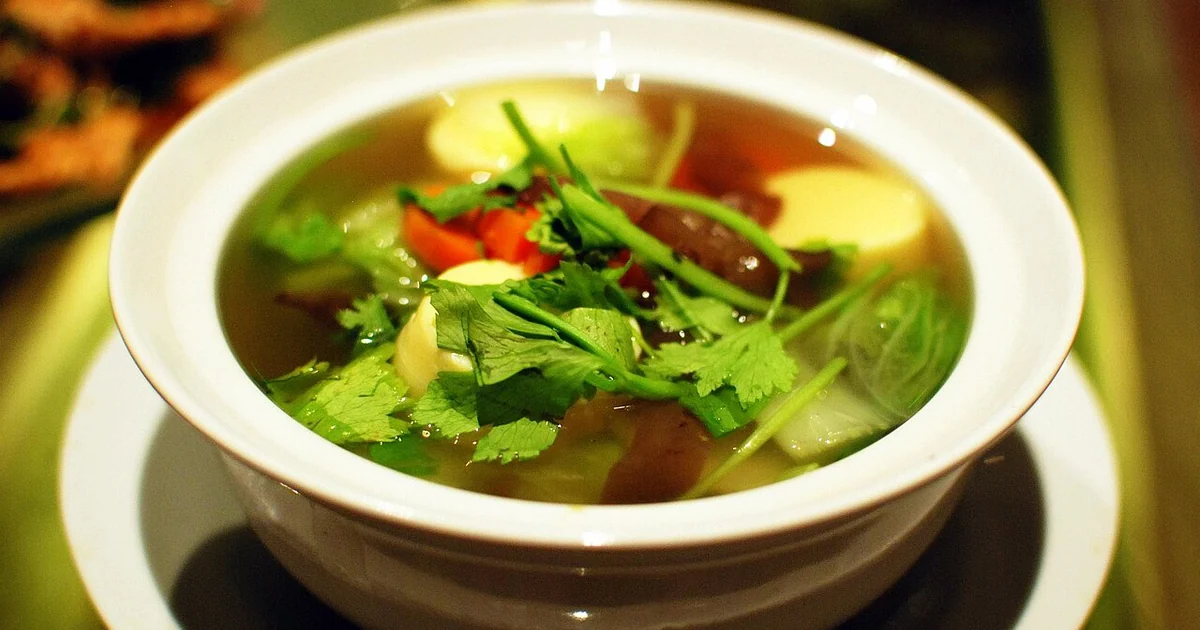
Most soup nights do not go wrong at the stove. They go wrong an hour earlier, when the cutting board is still covered in onion skins, the broth is still in the freezer, and nobody has decided who is tasting the pot. Good kitchen habits are less about speed and more about removing decisions from the moment when the pot is hot and the family is hungry. This article focuses on the habits that happen before heat is applied, because that is where a calm soup night is usually won or lost.
Start With a Short Pre-Cook Question List
Before you touch a knife, answer a few plain questions out loud or on paper. How many people are eating, and how many of them have firm preferences about broth richness, spice level, or vegetables? Which vessel will you use, and does it have enough room for the liquid and the ingredients without boiling over? How long will the soup need to simmer, and does that timing fit the rest of the evening?
These questions sound trivial, but they prevent the most common mid-cook interruptions. A pot that is too small forces you to split the batch halfway through. A simmer time that overlaps with homework or bath time creates pressure to rush the heat. Writing the answers on a note near the stove turns the plan into a shared reference that anyone in the house can check.
A useful test is to ask whether you could explain the whole cook to someone else in under a minute. If you cannot, the plan is probably still in your head and needs to be simplified before the pot goes on.
Set Up the Station Before the Heat Starts
Mise en place is the professional term for arranging ingredients before cooking, and it is one of the most practical habits a home cook can adopt. For a Filipino-style soup, this usually means washing and cutting aromatics, portioning proteins, measuring any liquids or seasonings, and placing everything within reach of the stove. Keep a bowl for scraps and a separate space for clean utensils so that the workflow stays linear.
The reason this matters is that heat does not wait for you. Onions that burn while you hunt for the fish sauce, or greens that wilt while you search for a lid, are small failures that compound. A station that is ready means you can respond to the pot instead of chasing it. When you set up, also check your supply of basics such as salt, cooking oil, and aromatics so you do not discover a shortage mid-recipe.
Plan Heat in Stages Rather Than Guessing
Soup cooking usually moves through a few stages: softening aromatics, adding liquid, bringing the pot to a boil, reducing to a simmer, and then finishing with delicate ingredients. Each stage calls for a different heat level. Writing these stages down with rough time ranges helps you pace the evening. For example, you might note that aromatics need several minutes at medium heat, the broth needs to come up to a boil before you lower it, and leafy greens go in only at the very end.
A simple habit is to pause after each stage and check three things: whether the pot is at the heat you intended, whether anything is sticking or scorching, and whether the next ingredient is ready. This brief pause is far more reliable than trying to remember the sequence while stirring. If you are cooking for a crowd, you can also ask a second person to watch the timing while you handle prep for the next stage.
A Practical Checklist for Your Next Soup Night
Before you cook, confirm that the pot fits the batch, the stove and extractor are working, and any dietary or taste preferences for the table are noted. Check that you have the main ingredients and at least one backup for a common substitution, such as a second green vegetable if the first is unavailable. Set out your bowls, ladle, and serving spoon so that plating is not a scramble.
During the cook, taste at planned checkpoints rather than randomly, adjust seasoning in small increments, and keep a damp cloth nearby for quick wipe-downs. After serving, put leftovers into containers while they are still warm enough to handle safely but not so hot that they create steam problems, then wash the pot soon after it cools enough to handle. Make a short note of anything that went well or needs changing for the next time.
The goal of this checklist is not perfection. It is to make the evening predictable enough that you can enjoy the meal. Home cooking rewards consistency more than cleverness, and the habits above are what turn a good bowl of soup into one you can repeat on a busy weeknight with confidence.