Stock Your Pantry Backward: Working From the Pot to the Shelf
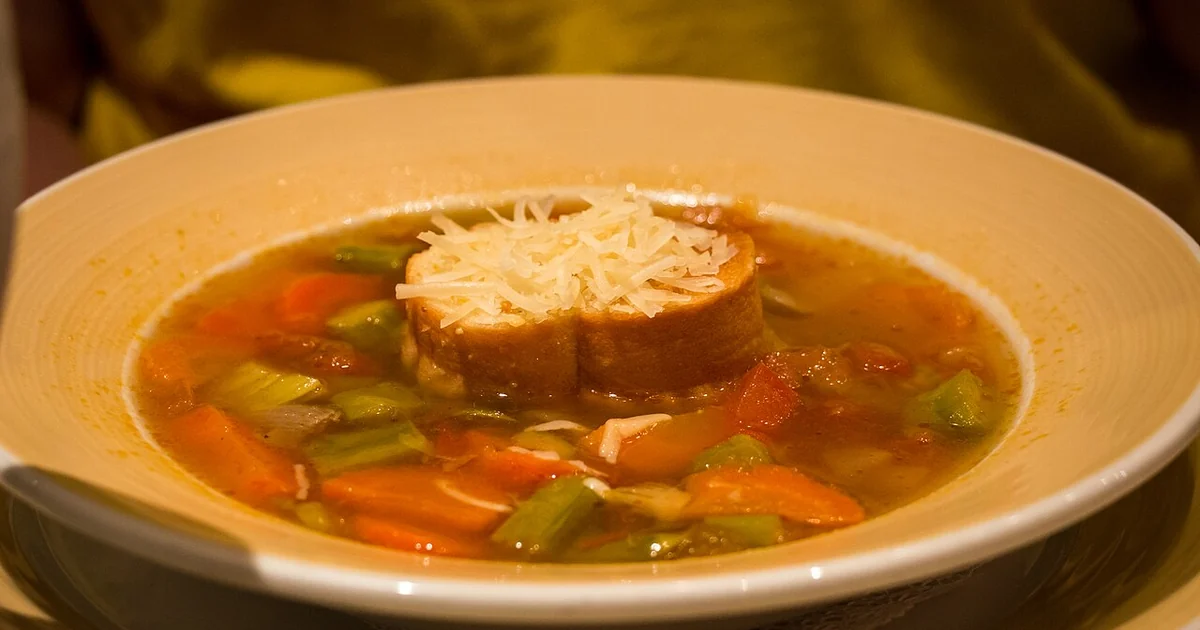
Most people shop for soup the way they shop for everything else: they walk the aisles, grab what looks good, and hope it all comes together on a weeknight. A different approach often works better. Start at the finished bowl, then work backward through the pot, the heat, the aromatics, and finally the shelf. This article offers a method for doing exactly that with Filipino comfort soups, the kind of warm, sour, savory, and brothy dishes that fill a family table. It is general cooking guidance, not a substitute for a tested recipe, and it does not promise any particular result.
Begin With the Bowl You Want
Before you touch a single ingredient, describe the bowl you are picturing. Is it light and clear, or rich and thick? Is the sourness sharp and bright, or mellow? Is it meant to be a full meal with rice on the side, or a starter for a larger spread? These answers determine almost everything downstream, including how much liquid you need, how long the broth should simmer, and whether you need a dedicated sour element on hand.
Write three adjectives for the target bowl. Something like 'clear, tangy, gentle' points you toward a different pantry than 'thick, savory, deep.' Keeping the adjectives short forces you to decide what matters most. If you cannot name the goal, you will probably overbuy.
Work Backward Through the Pot
Once the bowl is defined, ask what the pot must do to produce it. Does the broth need time to extract flavor from bones, vegetables, or fish? Does a tougher cut of meat need a longer simmer to turn tender? Does the soup depend on an acid added late, which would mean keeping that item cold but accessible? Each answer adds one or two requirements to your list.
A useful habit is to write the pot steps in reverse order: serve, season, finish, cook the main element, build the base, prep the aromatics. Reading the sequence backward reveals which items must be on hand before you begin. Anything that appears only at the end of the sequence can be bought later if needed, while items needed at the start must be present before the stove is lit.
Audit Your Shelf Against the Plan
With your backward list in hand, open the pantry and check each requirement honestly. Many cooks discover they own four versions of similar seasonings and none of the one item the soup actually needs. Group your findings into three piles: items you have and will use, items you have but are unsure about (check the date, the smell, the seal), and items you lack.
Ask a few concrete questions about each missing item. Does this ingredient appear in more than one dish I cook this month? Can a substitute I already own do the same job, even if less perfectly? Would buying a smaller package reduce waste? These questions are not about saving money at any cost; they simply help you avoid stocking things that will sit unused and expire.
A Short Checklist Before You Shop or Order
Use this plain sequence each time you plan a soup meal. First, write the three adjectives describing the finished bowl. Second, list the pot steps in reverse. Third, circle every item that must be present before the heat goes on. Fourth, check those circled items against your shelf and fridge, noting dates and condition. Fifth, decide what remains to be bought, and whether it is better purchased in person or ordered for delivery through a service you already use.
If you are weighing whether to cook from scratch or order a ready soup, compare the two paths using the same questions. Which option delivers the bowl you described? How much time does each require, including cleanup? What happens to leftovers? Which option fits the people who will be eating? Writing both answers side by side usually makes the decision clear.
Finally, revisit the plan after the meal. Note which items you used, which you never touched, and where the bowl matched or missed your three adjectives. Over several weeks, these notes become a personal pantry map that is far more reliable than any general list, and it makes each future soup night a little easier to plan.