Shared Pot, Different Plates: Planning Family Soup Meals Around Mixed Appetites and Schedules
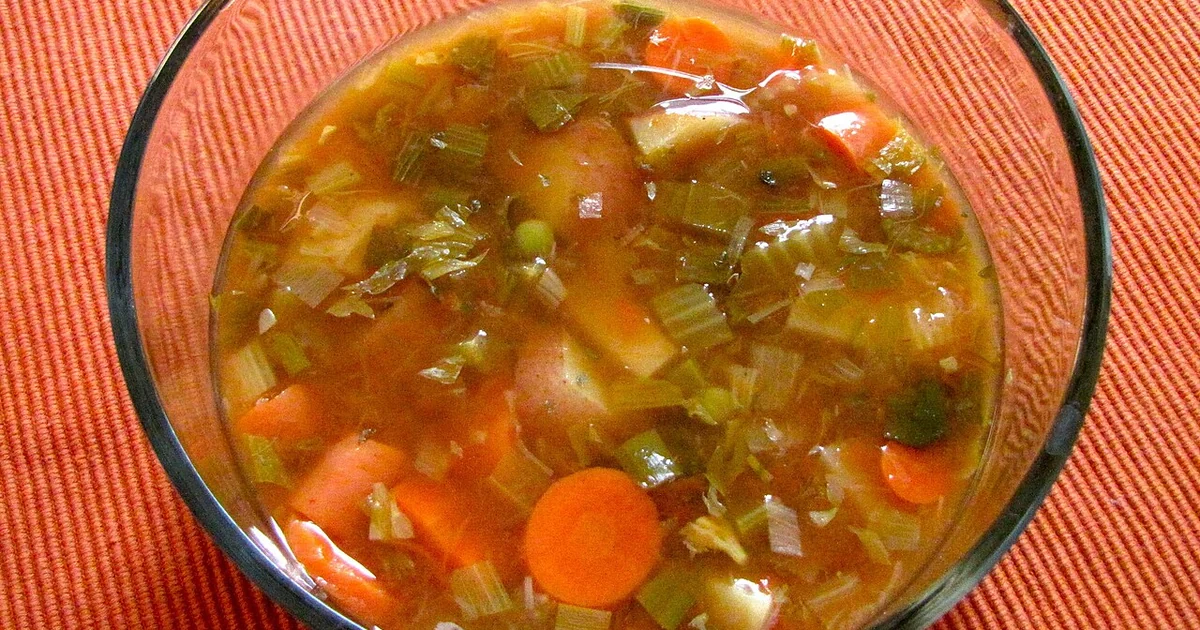
Soup is one of the most forgiving formats for a family meal. A single pot can feed several people, reheat well, and be served in bowls that each person adjusts to their own taste. Yet a family soup night can still stall. One person wants more broth, another wants less spice, a child refuses anything with visible vegetables, and an adult arrives late and wants to eat quickly. This article looks at the planning decisions that happen before the pot is even on the stove, focusing on general methods that work regardless of which soup you choose or where your ingredients come from.
Start With the Table, Not the Recipe
Most family meal problems begin with a mismatch between what is cooked and who is sitting down. Before choosing a soup, count the people who will eat, note their approximate ages, and ask who has firm preferences about texture, heat, or ingredients. A soup with soft noodles and a mild broth may suit toddlers and older relatives, while a sharper, more vegetable-forward bowl may appeal to adults who want something bright after a long day.
It also helps to estimate timing. Will everyone sit down at once, or will people arrive in waves? Soup holds heat well if it is kept at a gentle simmer or stored properly after serving, but some garnishes and noodles lose their texture quickly. Deciding in advance whether starches go into the pot or into each bowl prevents a family from eating overcooked noodles while waiting for latecomers.
Questions to Ask Before You Cook or Order
Whether you cook at home or order a meal for delivery, a short set of questions helps you choose well. Ask how many servings you actually need, including leftovers you want for the next day. Ask whether anyone has a food restriction or allergy that requires checking labels or avoiding shared utensils. Ask whether the meal needs to reheat easily, since a soup that tastes best freshly made may not suit a family that eats in shifts.
When ordering, check the menu details carefully, read item descriptions for ingredient information, and confirm portion sizes. If you are ordering through a third-party delivery service, look up the restaurant's listed options and compare them with what you saw on the brand's own website. Where details are unclear, contact the seller directly before placing the order rather than assuming a dish will suit everyone.
Balancing Kids, Adults, and Big Appetites
A useful approach is to separate the base from the add-ons. Serve a clear, flavorful broth or soup that is mild enough for children, then offer small bowls of optional toppings: calamansi halves, chili flakes, fried garlic, or chopped scallions. Each person can build the bowl they want, and no single pot has to satisfy every palate. This also reduces waste, because a child who dislikes an ingredient can simply skip it rather than leaving a full bowl untouched.
For large appetites, consider a second component rather than making the soup thicker or heavier. Plain rice, a simple side of vegetables, or bread can stretch a meal without changing the soup itself. Keep a small reserve of extra broth or water on hand so that someone who finishes early can be offered a refill without diluting the flavor of the whole pot.
A Practical Checklist for Shared Soup Meals
Before each family soup meal, confirm the number of servings and whether leftovers are planned. Check for allergies, restrictions, or strong dislikes and note how they affect the base, the toppings, or the utensils. Decide which components are cooked into the pot and which are served separately. Plan a reheating method so that the last bowl tastes as good as the first. Set out bowls, ladles, and condiments in advance so that serving does not interrupt conversation.
After the meal, store leftovers in shallow containers so they cool quickly and refrigerate promptly. Label the date and contents. Note which parts of the meal worked, such as a topping that everyone enjoyed or a serving size that was too large, and write those observations down. Over several weeks, these notes become a personal planning guide that is more reliable than memory, and they make future family soup nights calmer and more predictable.