Comfort Recipes Start With Better Questions: A Home Cook's Method
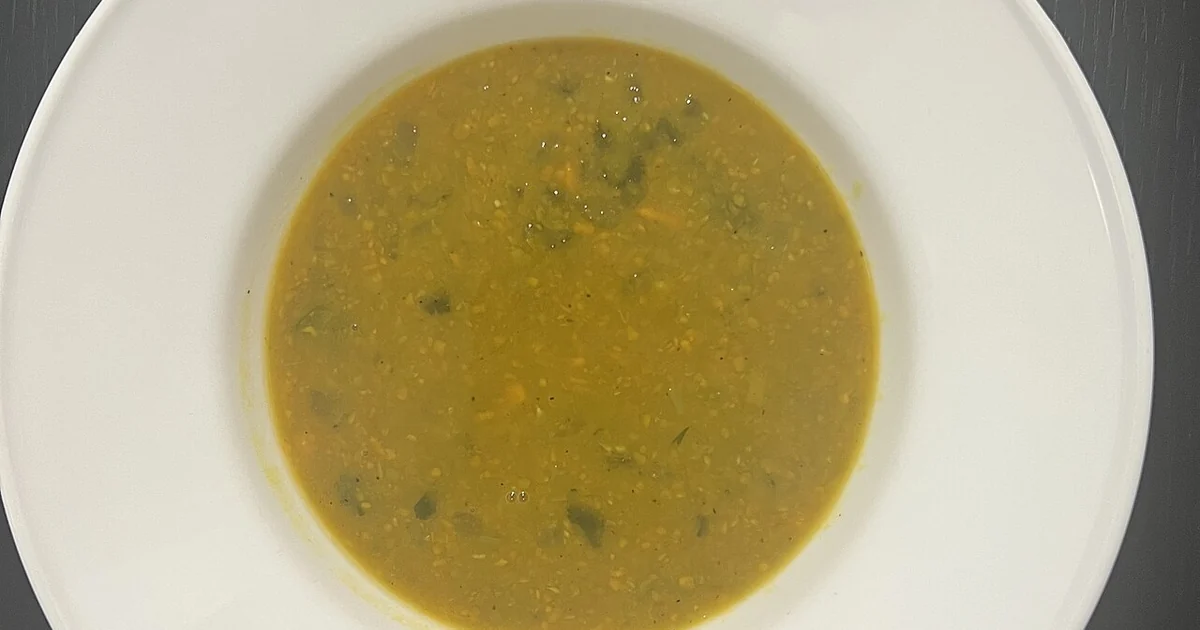
Comfort food feels effortless when it works and frustrating when it doesn't. The difference is rarely talent. It is usually a handful of decisions made before the pot ever heats up: which recipe to trust, how much time it really needs, what your household will actually eat, and how you will know the dish is ready. Happy Soup offers twelve playful Filipino soups, and whether you cook from a recipe at home or choose one from a menu, the same reasoning applies. This article offers a method for thinking through comfort recipes so the result is warm, satisfying, and repeatable.
Start With the Dish You Are Really Craving
Comfort cravings are often more specific than they first appear. You may want something sour and brothy after a long day, or something rich and filling on a cold evening. Before you search for a recipe, name the texture and the feeling you are after. A soup that is light and clear serves a different need than one thickened with starch and loaded with vegetables, even if both are considered comfort food.
Write down three words that describe the target: for example, tangy, warming, and quick. These words become a filter. When you read a recipe, ask whether its method and ingredient list would deliver those qualities. This habit prevents the common mistake of cooking a beautiful dish that simply does not match the mood you wanted to satisfy.
Read the Recipe for Time, Not Just Ingredients
Most recipe frustration comes from timing, not from ingredients. Scan the method for phrases such as simmer until tender, reduce by half, or rest before serving. Each of these implies a window of time that may be longer than the prep time printed at the top. A soup that claims thirty minutes but needs forty-five to build flavor will leave you rushing at the end.
Estimate the full sequence: washing and cutting, heating the pot, cooking aromatics, simmering, seasoning, and cleanup. Add a buffer of ten to fifteen minutes. If the total exceeds your evening, choose a simpler recipe or plan to start earlier. Comfort cooking should reduce stress, and an accurate timeline is the simplest way to protect that goal.
Match the Recipe to Your Household
A recipe that works for two adults may not satisfy a table with children, picky eaters, or big appetites. Ask who will eat the dish and what they usually respond well to. Consider spice level, texture preferences, and whether anyone avoids certain ingredients. Adjust by making a milder base and offering a condiment on the side, or by adding bulk through rice or vegetables so the meal feels complete.
If you are ordering rather than cooking, use the same questions. Check whether the menu describes portion sizes, whether the soup is served with rice, and whether add-ons change the flavor profile. Clarify delivery details before checkout. The goal is to make the decision on purpose rather than by default.
Use a Simple Checkpoint Routine
Comfort recipes improve when you check them at intervals rather than only at the end. Taste the broth after it has simmered for a few minutes and again before serving. Adjust salt, acidity, or heat in small increments. Note whether the vegetables are tender enough for your preference and whether the protein is fully cooked according to the recipe's guidance.
A practical checklist helps: Did I confirm the target flavor? Did I budget enough time? Did I adjust for the people eating? Did I taste at least twice? Did I plan cleanup? Answering these five questions before, during, and after cooking catches most problems early. You do not need a complicated system, only a consistent habit.
Keep a Short Shortlist of Proven Recipes
Over time, the most useful tool is a shortlist of recipes that have worked well in your kitchen. For each one, record the total time, the household response, any adjustments you made, and what you would change next time. This turns each cooking session into information for the next one. A shortlist of three to five dependable dishes is more valuable than a long bookmark folder you never open.
When a new recipe catches your eye, compare it to your shortlist. Does it solve a gap, such as a faster weeknight option or a milder family dish? If not, it may be interesting but unnecessary. Comfort cooking rewards familiarity, and a small, well-tested set of recipes makes every warm bowl easier to deliver.