Heat, Pause, Taste: A Kitchen Rhythm for Simmering Soups Well
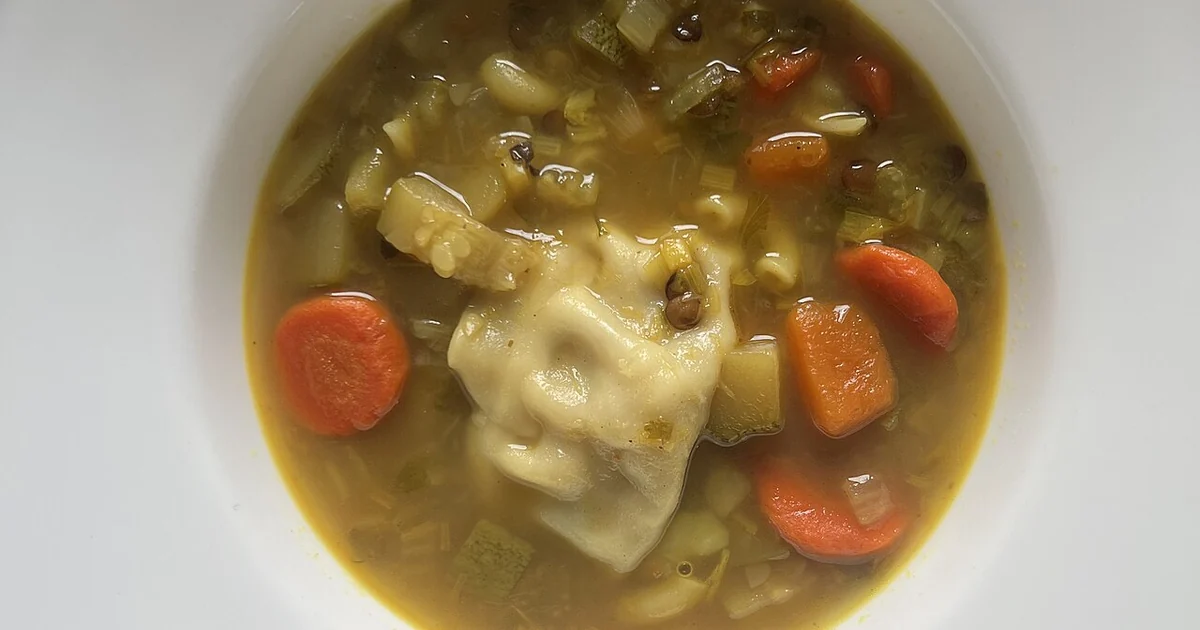
Most soup problems are timing problems in disguise. A broth that tastes flat, a bottom that scorches, or a vegetable that dissolves into mush usually traces back to how heat and attention were managed, not to the ingredient list itself. Treating the stove, the clock, and your tasting spoon as a rhythm rather than a set of separate chores gives you more control over the final bowl. This guide walks through a simple pacing approach that home cooks can adapt to whatever soup they are making, along with questions to ask yourself at each stage.
Start with the heat you actually need
Before any water touches the pot, decide what the soup needs from the burner. A gentle simmer extracts flavor from bones, aromatics, and tougher vegetables without breaking down delicate leaves or cloudying a clear broth. A rolling boil is useful for a short window, such as blanching greens or bringing a large volume to temperature, but holding a full boil for an hour usually makes meat tough and broth murky. Many cooks find it helpful to set the burner to the highest setting only until the first bubbles appear, then lower it so that you see small, occasional breaks in the surface.
Ask yourself a few questions at this point. How much liquid is in the pot, and how long will it take to reach temperature? Is the pot heavy-bottomed enough to spread heat evenly, or is a thin pan likely to hot-spot near the flame? Does the recipe call for sautéing first, and if so, how much time is that step meant to take? Writing these answers on a note near the stove turns vague intentions into a plan you can follow.
Build pauses into the simmer
A pot that simmers for an hour without interruption can still drift off course. Schedule short pauses, perhaps every fifteen to twenty minutes, to lift the lid, skim foam from the surface, check that the liquid level has not dropped too far, and stir gently from the bottom. These pauses are not wasted time. They are the moments when you notice that the burner has crept too high or that a bit of starch has settled and begun to stick.
A practical checklist for each pause: confirm the simmer is steady, skim any gray or loose foam if you want a cleaner broth, lower the heat if bubbles are breaking too hard, and add water only if the level has dropped below the ingredients rather than to rescue an overly thick texture. Keeping the list short makes it easier to repeat consistently.
Taste in stages instead of all at once
Salt and acid are easiest to judge when the soup is close to finished, because the flavors have already combined. Tasting too early can mislead you, since a broth that has not yet simmered long enough may seem thin and then turn intense as it reduces. A useful habit is to taste at three points: once after the aromatics have softened, once when the main ingredients are tender, and once just before serving. At each checkpoint, adjust one thing at a time and taste again rather than correcting everything at the end.
Ask whether the broth tastes like the ingredients it contains or like a generic liquid. Ask whether the seasoning is balanced, and whether a pinch of something sour or a touch more salt would lift it. These questions keep you tasting for purpose rather than simply sampling.
Plan the finish before the pot is ready
The final minutes decide texture. Quick-cooking vegetables, noodles, leafy greens, and delicate proteins should go in late, and the heat should be turned off or lowered before they are added so they do not overcook in residual boiling. Set out bowls, garnishes, and utensils while the soup is still simmering, so that you are not hunting for a ladle while the pot is at its best.
A simple comparison helps here. Adding everything at the start yields uniform softness and a heavier, more integrated broth, which suits slow-cooked stews. Adding ingredients in stages yields distinct textures and a brighter bowl, which suits lighter soups with greens or seafood. Neither approach is universally better; the right choice depends on what you want the bowl to feel like when someone takes the first spoonful. Choose deliberately, and note what worked so the next pot benefits from the experience.