Kitchen Habits That Protect Your Stock Pot and Your Sanity
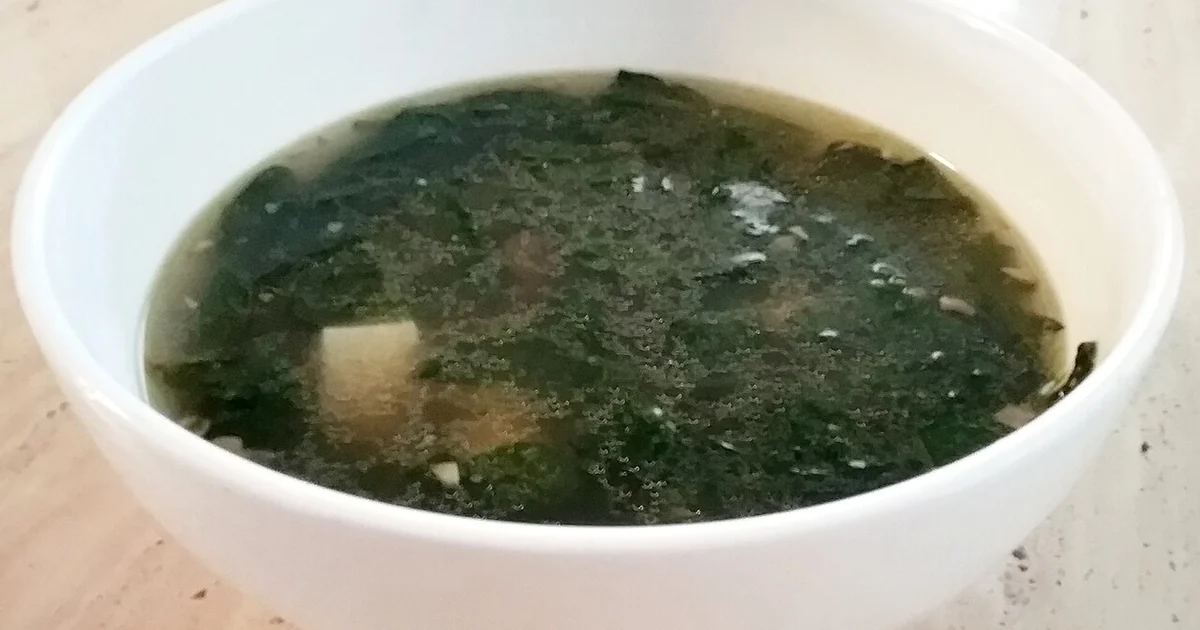
A good pot of soup usually fails for ordinary reasons: the heat was too high, the seasoning came too late, or the cleanup was left until the bowls were already cold. This article looks at one narrow piece of kitchen practice, the handful of small decisions that happen before the lid comes off and after the last bowl is served. None of these habits require special equipment, and none depend on any particular product. They are the kind of routine a home cook can adopt in an ordinary weeknight kitchen.
Decide the Pot's Job Before You Light the Burner
Before you add any liquid, decide what the pot is for. A clear soup that will be served as a starter needs gentle simmering and careful skimming. A thick, hearty soup meant to be the whole meal needs a longer, steadier simmer so starches and proteins can break down. Knowing this in advance shapes the heat setting, the lid, and how much time you give yourself.
Write the plan on the back of your recipe card or in a phone note: total cooking time, when the protein goes in, when vegetables go in, and when you will taste. A plan turns a vague evening into a sequence you can check off.
Build a Tasting Rhythm
Tasting is most useful when it happens at fixed points rather than at random. Taste once after the base has simmered long enough to release its flavor, once after the main ingredients are cooked through, and once more just before serving. At each point, ask a specific question: is it too flat, too sharp, too salty, or too thin? Adjusting one variable at a time makes the result easier to read.
Salt in small increments and wait a minute before judging, because flavors settle as the soup rests. Acid such as calamansi, vinegar, or a squeeze of lemon can lift a heavy pot, but add it at the end so it does not dull over long heat.
Prep Once, Cook Calmly
Most stressful soup nights come from chopping while the pot is already hot. Measure liquids, cut vegetables, and portion proteins before you start. Keep a small bowl for scraps and a second for finished pieces so the board stays usable. This is simply mise en place applied to a single pot.
A short checklist helps: confirm the stock or water is measured, the aromatics are cut, the seasonings are within reach, the serving bowls are warm or set out, and the trivet or landing spot for the hot lid is clear. Five minutes of this habit prevents most of the scrambling later.
Clean as the Pot Cools
Cleanup is easiest in the gap between serving and sitting down. Once the soup is ladled, put the lid on the pot, move it off the burner, and fill the pot with warm water and a little dish soap so starches loosen. Wipe the stove while the surface is still warm but not hot. Rinse the cutting board and set it to dry rather than leaving it stacked with wet towels.
Store leftovers within a reasonable window after cooling. Divide a large pot into shallow containers so the center cools faster, label them with the date, and keep them on a shelf where you will see them. Leftover soup that is never found is the most common waste in a home kitchen.
Use this quick sequence after dinner: serve, lid and move the pot, soak it, wipe the counter, rinse the board, and store what remains. Doing the steps in order means the kitchen is ready for the next meal without a full evening of work.