Clean as You Go Is Harder Than It Sounds: A Sequence for Hot Pots and Cluttered Counters
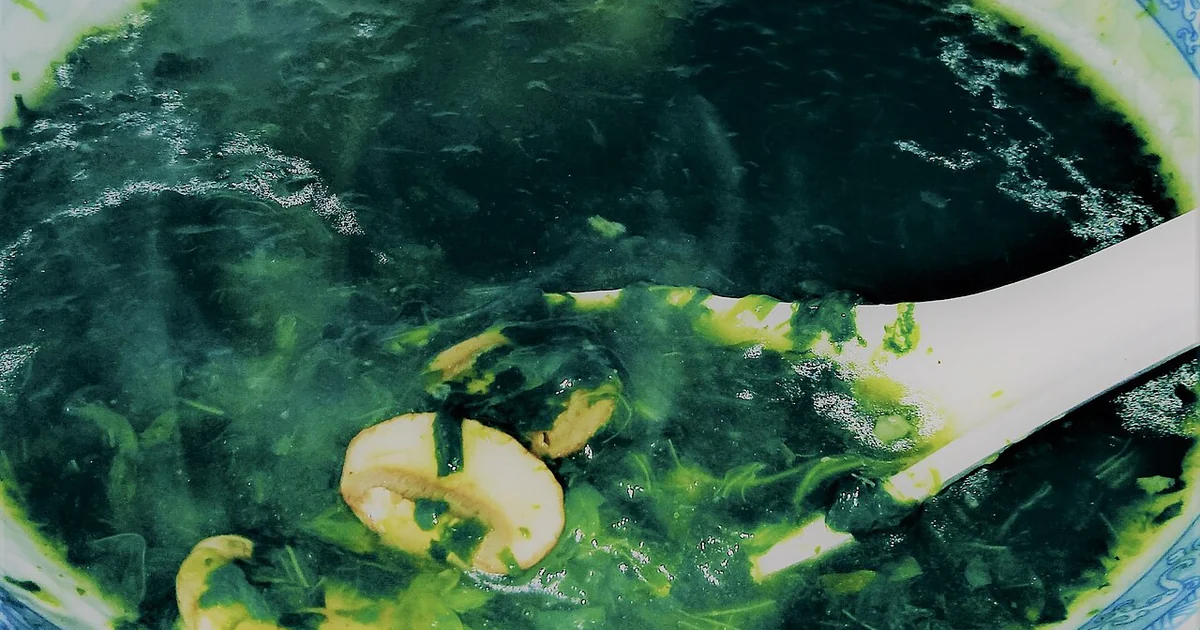
Most kitchen advice about cleaning as you go sounds simple until a pot is boiling, a cutting board is covered in scallion ends, and the dishwasher is already half full of yesterday's plates. Soup is an especially good test of this habit because it asks for long, unattended stretches of simmering, which is exactly when the counter tends to become a mess. This article takes a different angle from general tidiness advice. Instead of telling you to wipe things down, it offers a sequence of decisions and questions that make cleaning a natural part of the cooking rhythm rather than a rescue operation at the end of the night. Happy Soup's comfort-food style, with its many simple Filipino soups, is a useful lens for this because the cooking steps are often short and repeatable, which makes them easy to organize around a clean workspace.
Decide the Cleanup Plan Before the Heat Goes On
Before you turn on the burner, take ninety seconds to picture the whole cook from start to finish. Ask yourself which tools you will need, where the discarded parts will go, and which items can be washed while the pot is simmering. A common mistake is treating cleanup as a single event at the end of the meal. Instead, break it into three windows: prep, simmer, and serving. Each window has its own small jobs.
During prep, the most useful habit is to set up a waste bowl or a small container for peels, stems, and trimmings. This keeps the cutting board clear for the next ingredient and prevents scraps from migrating across the counter. Designate one side of the sink for items you will wash later and keep the other side open for the cooking water and rinsing tasks you need right now.
Ask a few planning questions before you begin. Does this recipe require a single pot, or will you need a second pan for sauteing aromatics? Can the stock be measured and set aside in a bowl so the pot is not blocking your workspace? Is there a utensil you will reach for repeatedly, and can it stay within reach rather than being placed on a cluttered surface?
Use the Simmer Window Deliberately
A simmering pot is not a reason to stop working. It is a window of time in which you can clean without rushing. Good use of this window includes rinsing the cutting board, washing knives as soon as they are no longer needed, and wiping the stove area where splashes have landed. Doing these tasks while the soup cooks means the final few minutes before serving can be spent tasting, adjusting, and plating instead of scrubbing.
Set a quiet check-in for yourself at a regular interval, such as every few minutes, to lower the heat, stir, and look at the counter. This small pause helps prevent a slow buildup of dishes. Many home cooks find that a single towel kept over one shoulder or within reach, dampened and wrung out, handles most spills without interrupting the cooking.
A Practical Checklist for Between Pots
Cleaning between pots, or between courses when you are cooking for a family, requires a repeatable routine rather than improvisation. The following checklist works well as a set of plain steps you can run through in under five minutes:
First, empty the waste bowl into a bin or compost container and rinse it. Second, wash the cutting board with warm water and soap, then dry it or set it on its edge so air can reach both sides. Third, rinse knives and wipe them dry before returning them to their place. Fourth, check the stovetop for drips and wipe while the surface is still warm, as this removes residue more easily. Fifth, clear the counter of anything that is no longer needed for the next step, including packaging, lids, and spoon rests. Finally, look at the sink and decide whether the pot or pan can soak briefly while you eat.
This sequence is intentionally modest. The goal is not a spotless kitchen during service but a workspace that remains usable from one step to the next.
Questions to Ask at the End of Each Cook
Once the meal is served, take a few minutes to reflect on what made the cleanup easier or harder. Asking consistent questions helps you refine your habits over time. Which step created the most clutter, and could it have been prepped in a different order? Did a particular ingredient, such as a sticky sauce or a starchy broth, leave residue that took longer to remove? Were there tools you reached for repeatedly that could have been placed closer to the stove?
Keep notes if it helps. Over several weeks, patterns usually appear, such as a particular recipe that consistently needs two pans or a cutting board that always ends up piled high. Adjusting for those patterns is far more effective than trying to clean perfectly every time. Clean as you go is best understood as a set of small, repeatable decisions that compound into a calmer kitchen, rather than a single rule to follow without thought.