Kitchen Habits for Soup Nights: Timing Your Pantry Restock Before the Craving Hits
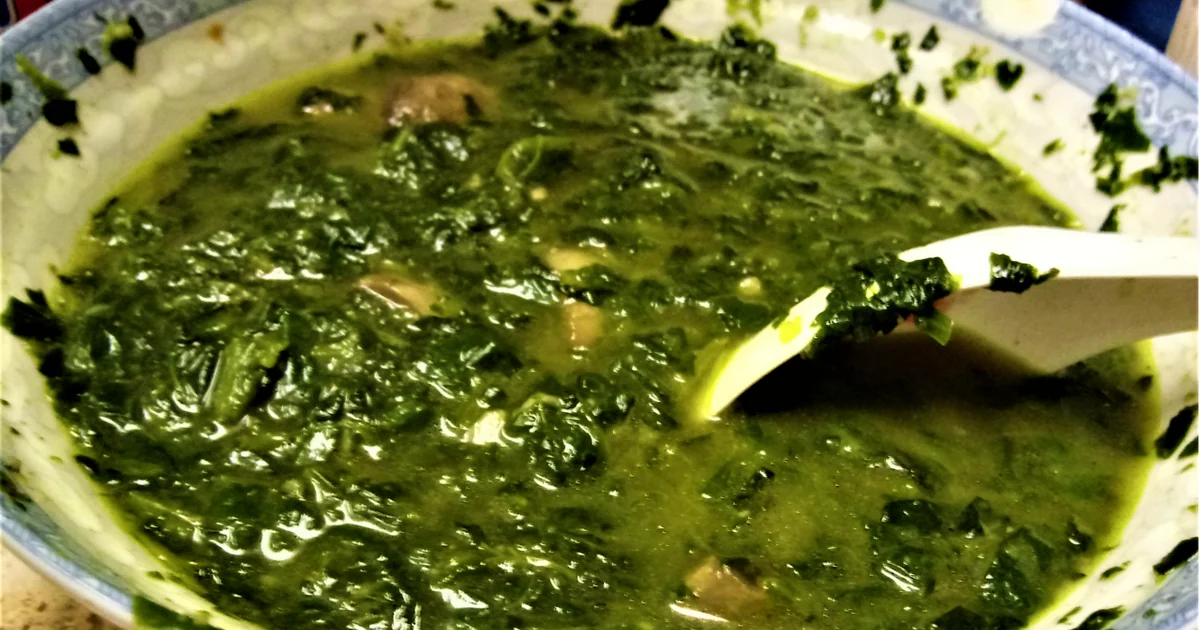
Most soup nights do not go wrong at the stove. They go wrong earlier, when the pantry is short on broth, the onions are soft, or nobody remembered that the rice cooker needed water. Home cooks who enjoy comfort food often find that the cooking itself is the easy part. The harder work is the quiet planning that happens days before the pot ever gets lit. This article looks at one angle that rarely gets attention: restocking on a schedule rather than in a panic, and building kitchen habits around that rhythm. Nothing here is a promise about any specific product or service. It is a set of general methods and questions you can use in any kitchen, whether you cook Filipino soups from scratch, reheat something you made earlier, or decide some nights to order in.
Map Your Soup Nights Before You Shop
Start by looking at the last four or five weeks on your calendar and noting which evenings you actually cooked soup, which you skipped, and why. Patterns show up quickly. You may find that soup happens on rainy evenings, after busy workdays, or when a child has a cold and wants something warm. Those patterns tell you how often you need to restock and which ingredients are truly essential.
Next, write down the three soups you make most often. For each one, list the ingredients that appear every time, not the optional garnishes. A simple tinola-style pot, for example, depends on a small set of repeat items, and noticing that set helps you stop buying in a scattered way. Keep this list on the refrigerator or in a notes app so it travels with you to the store.
Set a Restock Rhythm, Not a Restock Reaction
A restock rhythm means you check the pantry on a fixed day, such as the day after your weekly shop or a midweek evening. During that check, look at the staples that run out fastest: broth or stock, aromatics like garlic and onions, rice, and any protein you rely on. If one of these is below a threshold you define, such as less than one serving remaining, add it to the list. The threshold matters more than the exact number. It converts a vague feeling of running low into a concrete decision.
Store cupboard items are easier to keep stable when you rotate them. Place newer packages behind older ones, and write the purchase month on the label with a marker. This habit costs seconds and prevents the unpleasant discovery of expired spices in the middle of cooking.
A Checklist for Ordering or Cooking on Busy Nights
Some weeks, cooking from scratch will not fit your schedule. Whether you cook at home or decide to order, a short checklist keeps the choice practical. Ask whether the meal matches what your household will eat at the table, including children and anyone with dietary restrictions you already know about. Ask how much time you have from decision to serving, and whether reheating or assembly will be needed. Ask whether leftovers will be useful the next day, since a pot that yields two extra meals saves effort later in the week.
If you order, check the details shown on the ordering page itself: the menu items, the described portions, and the delivery options listed there. Do not assume a feature exists because it appears in a general article or an unrelated listing. Read what the specific page says, and compare it with your own needs for that evening.
Protect the Evening With Small Prep Habits
The evening itself goes more smoothly when a few tasks happen earlier. Wash and dry the rice before dinner. Chop the aromatics the night before and store them in a sealed container in the refrigerator. Lay out the pot, ladle, and bowls so you are not searching for them with a hot burner running. These habits reduce the number of decisions you make under time pressure, which is when most kitchen mistakes happen.
Finish with a cleanup that takes five minutes: wipe the counter, rinse the cutting board, and put the broth container back in its place so the next restock check is accurate. A calm kitchen the next morning is often the result of this small final step.