Pantry Logic: Choosing Fewer Ingredients for Clearer Soup Flavor
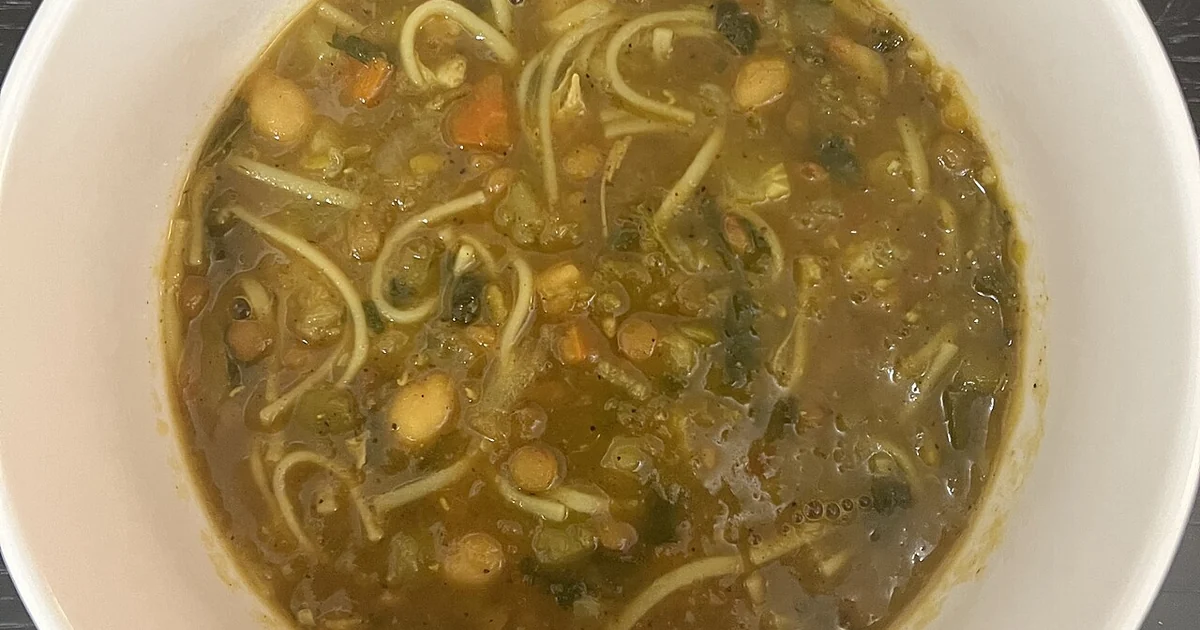
Simple soups have a reputation for being easy, but the simplicity is deceptive. When a pot holds only a handful of ingredients, every item is visible, and a weak component is easy to notice. Home cooks who want clean, memorable bowls often find that the fastest route to better soup is not adding more, but choosing more carefully. This article looks at how to select a small set of ingredients, how to judge their quality, and how to decide what to leave out. The goal is a kitchen habit: a soup that tastes intentional because each element has earned its place.
Start With the Base, Not the Garnish
Most soups rest on a base: aromatics, a liquid, and a seasoning element that ties them together. In many Filipino soup traditions, the base is built from onion, garlic, and sometimes tomato, cooked gently until they release their sweetness. Before you think about proteins or vegetables, decide what the base needs to do. A sour soup needs a clear acidic note. A savory broth needs depth and salt that feels balanced rather than harsh.
A practical test is to cook the base alone for a few minutes and taste it. If the aromatics taste raw or sharp, they need more time. If the base tastes flat, the issue is often seasoning rather than a missing ingredient. Adding a fourth or fifth item to fix a flat base usually produces a muddier pot. Correcting the base first keeps the rest of the recipe honest.
A Checklist for Judging Each Ingredient
Before adding anything to a simple soup, ask a few direct questions. Does this ingredient contribute a flavor that nothing else in the pot provides? Will it change texture in a way I want? Does it cook in roughly the same time as the rest, or will I need to stage it? Can I taste it clearly in the finished bowl? If the answer to most of these is no, the ingredient is probably decoration.
Quality matters more than quantity. Fresh greens added at the end keep their color and bite. Vegetables simmered too long lose structure and dilute the broth. Protein cut into even pieces cooks uniformly, while uneven cuts leave some pieces overcooked and others underdone. When you shop, look for produce that is firm, aromatic, and free of bruising, because a few good ingredients will outperform a crowded cart of mediocre ones.
Comparing Simple Pots: Three Common Approaches
One approach is the single-star soup, where one protein or vegetable leads and everything else supports it. This suits beginners because the flavor story is easy to follow. A second approach is the layered soup, where two or three components contribute in sequence: a broth first, then vegetables, then a finishing herb. This takes more attention to timing but rewards careful cooks with distinct textures. A third approach is the pantry soup, built around staples you already keep, such as rice, dried beans, or canned tomatoes. It is economical and flexible, though its flavor depends heavily on the seasoning in the base.
None of these approaches is inherently better. The right choice depends on how much time you have, what you already own, and whether you want a soup that highlights one ingredient or blends several gently. Write down which approach you are using before you start, then hold yourself to it. Many muddy soups come from switching approaches halfway through the pot.
Questions to Ask Before You Cook or Order
Whether you cook from scratch or choose a ready-made option, a few questions sharpen the decision. What is the soup meant to feel like: light, rich, sour, or warming? Who is eating it, and do they have preferences about spice or texture? How much active time do you genuinely have? If you are ordering rather than cooking, check the listed ingredients and descriptions on the site or delivery platform and compare them with what you would want in a bowl. Read descriptions carefully rather than assuming a dish contains what its name suggests.
These questions keep the process grounded. A soup that matches your evening's actual constraints is more satisfying than an ambitious recipe you abandon halfway. Plan the number of components around the time you have, and let the simplicity be a deliberate choice rather than a compromise.
Tasting and Adjusting Without Adding More
The most useful correction in a simple soup is often subtraction or timing rather than addition. If a broth tastes heavy, a splash of acid or a shorter simmer may help more than extra salt. If vegetables taste dull, add them later so they keep their character. Taste at three points: after the base, after the main ingredients have cooked, and just before serving. Each checkpoint reveals a different problem, and fixing it early is easier than rescuing a finished pot.
Keep notes on what you changed. Over several cooking sessions, these notes become a personal reference that outperforms any single recipe, because they reflect your stove, your pot, and your household's tastes.