Reading Ingredient Lists Like a Cook: Spotting What a Simple Soup Really Needs
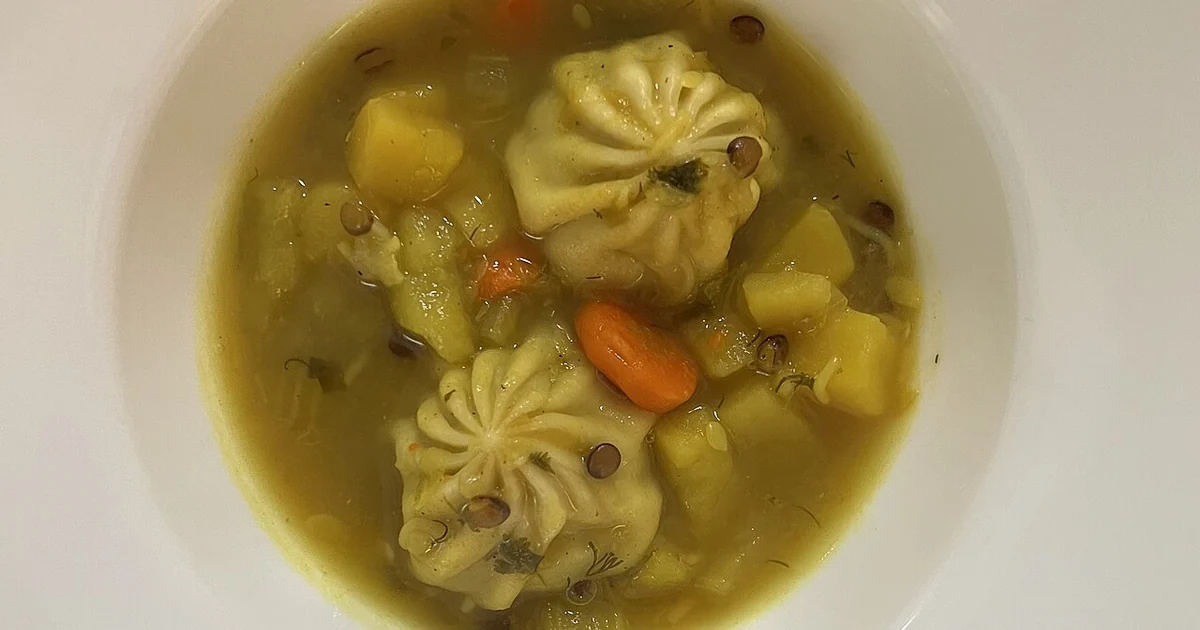
Simple soups are deceptively demanding. When a pot holds only a few components, each one carries more weight, and a single weak ingredient is easy to notice. Before you buy, chop, or add anything to the pot, it helps to read an ingredient list the way an experienced cook does: asking what each item contributes, how much of it the dish actually needs, and whether it earns its place. This approach works whether you are building a soup from your own pantry or deciding what to order for a family meal.
Start with the job each ingredient does
Every ingredient in a soup usually does one of four jobs: it provides a base of liquid and body, it adds aromatic depth, it contributes the main substance or protein, or it brightens the finished bowl with acid, herbs, or fresh greens. When you read a recipe or menu description, sort the items into these roles. A soup that lists water, onion, garlic, a single protein, a starch, and one leafy green is already well structured, because each component has a clear purpose and nothing is competing with anything else.
This sorting exercise also reveals redundancy. If two ingredients both serve as a salty seasoning, or if three vegetables all play the same textural role, you can often drop one without losing anything. Simplicity is not about having fewer words on a list; it is about having each word justified. Ask yourself what the soup would lose if a given item disappeared. If the answer is nothing you can taste or feel, that ingredient is a candidate for removal.
Judge freshness and quantity, not just presence
A simple ingredient list can still produce a flat soup if its items are old or present in the wrong amounts. Aromatics like garlic and onion lose punch as they sit, so check that they are firm, unsprouted, and free of soft spots. Leafy greens should look crisp rather than wilted. Dried spices and seasonings lose potency over time, and a jar that has sat in a cupboard for years will add little beyond color.
Quantity matters as much as quality. A common mistake is overloading a broth with a single strong element, such as too much ginger or too much salt-cured ingredient, which then dominates everything else. When you read a recipe, look at the proportions rather than only the names. If the protein appears in a small amount relative to the liquid, expect a lighter, more brothy bowl. If the greens are listed generously, expect a bowl that feels fuller and more vegetable-forward. Matching the quantity to the style you want is more useful than adding more of everything.
A practical checklist before you commit
Use a short mental checklist before cooking or choosing a soup. First, confirm that there is a clear liquid base and that its seasoning is adjustable. Second, check that aromatics are present in a reasonable amount and are fresh. Third, identify the main substance and make sure its quantity suits the number of people eating. Fourth, look for at least one element that adds brightness, such as a squeeze of citrus, a sour component, or a handful of fresh herbs, since this is often what separates a bland bowl from a lively one. Fifth, confirm that no item is duplicated in function without a reason.
When ordering rather than cooking, the same questions apply, though you have less control. Ask what the base is made from, how the protein is prepared, and whether seasoning can be adjusted at the table. Ask whether extras or sides change the balance of the meal. If the answers are vague, you can still make a reasonable choice, but you should expect less predictability in flavor and portion.
Taste in stages and adjust with restraint
Simple soups reward tasting at several points rather than only at the end. Taste the broth after it simmers, before adding delicate greens or any final seasoning. Taste again once the main substance is cooked through. This staged approach lets you see how each ingredient is developing and prevents you from correcting a problem that a small adjustment earlier would have solved. When the soup tastes incomplete, reach first for salt, then for acid, and only then for more aromatics. Adding a bright finish at the very end often does more than adding another ingredient.
Restraint is the final skill. Resist the urge to add a new item just because the soup tastes thin. Often the thinness comes from underseasoning or from a missing hit of acid, and a different ingredient will only muddy the result. A good rule for simple soups is to change one thing at a time, taste, and then decide whether another change is needed. This keeps the flavors readable and the bowl honest.