Simple Ingredients, Honest Flavor: A Home Cook's Field Guide to Filipino Soup Bases
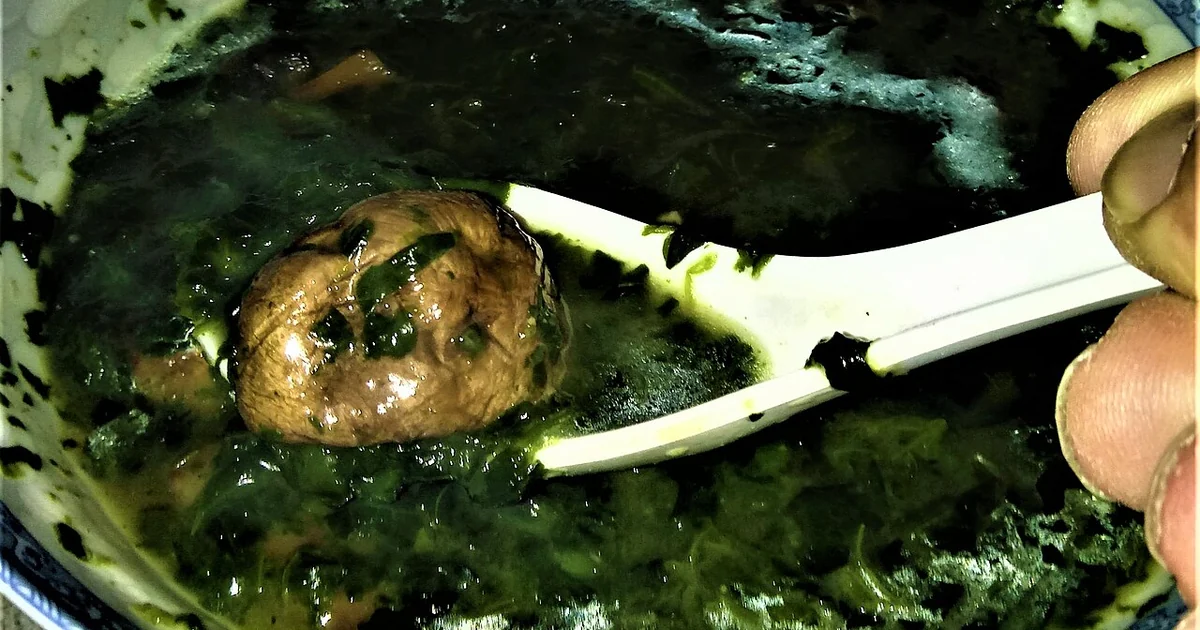
Simple soups look effortless on the table, but the bowl usually reflects a handful of decisions made before the stove was ever turned on. A Filipino-style soup often rests on a small group of ingredients: a protein, a souring or aromatic element, a green vegetable, and a seasoning that ties everything together. When each piece has a clear job, a short ingredient list can taste more complete than a long one. This guide walks through how to evaluate those ingredients, what to look for at the market, and which questions help you decide what belongs in the pot and what can be left out. It is written for home cooks and comfort-food fans who want to make better choices without adding complexity.
Start With the Role Each Ingredient Plays
Before you buy anything, name the job each ingredient performs. In many Filipino-style soups, one item provides body, another provides sourness or brightness, another provides aroma, and another adds freshness near the end. A protein such as chicken, pork, or fish carries savory depth. A souring element, whether tamarind, calamansi, or a ripe tomato, lifts the broth so it does not taste flat. Leafy greens add texture and a clean finish. When you list ingredients this way, redundancy becomes obvious. If two items are doing the same job, one may be unnecessary, and removing it often makes the soup easier to balance.
This approach also helps when a recipe calls for something you do not have. Ask whether the missing item provided aroma, acidity, sweetness, or structure. If it was mainly acidity, a different sour element may work. If it was structure, you may need to adjust cooking time or the amount of liquid instead of forcing a substitute.
Judging Freshness and Quality at the Market
Simple ingredients leave little room for hiding flaws, so freshness matters more than in heavily seasoned dishes. Greens should look bright, with no slimy stems or yellowing at the edges. Ginger and onions should feel firm, not soft or sprouting heavily. For fish, look for clear eyes if whole, firm flesh that springs back when pressed, and a clean smell rather than a sharp or sour one. For chicken or pork, check the color, avoid packages with excess liquid pooling in the tray, and cook within the timeframe recommended by the seller or your storage method.
Ripeness is another question to ask. A tomato that is ripe and slightly soft can add sweetness and acidity at once. An underripe one may taste green and thin. Tamarind sold as a pulp or block should smell tangy and fruity, not dusty or stale. Each of these small checks helps the broth taste deliberate rather than dependent on heavy seasoning to rescue it.
A Practical Checklist Before You Cook
A short checklist keeps simple soups from drifting into confusion. First, confirm your base: decide whether you are using water, stock, or a combination, and whether the protein will be simmered in it or added later. Second, confirm your souring element and taste it on its own if possible, since a sour ingredient that is too sharp can dominate the whole pot. Third, sort your vegetables by cooking time. Root vegetables and firm squash usually go in early, while leafy greens belong near the end so they stay vibrant instead of turning dull and stringy.
Fourth, set a seasoning plan. Salt or fish sauce added at the start can concentrate as the soup reduces, so many cooks season lightly first and adjust at the end. Fifth, prepare a final taste check: a spoonful should taste balanced in salt, sour, and savory notes, with no single flavor shouting. If it tastes flat, a small squeeze of citrus or a pinch of salt often fixes it. If it tastes harsh, a little more liquid or a gentle simmer usually helps.
Questions to Ask When You Cook or Order
Whether you cook from scratch or choose a ready-made option, a few questions sharpen your decision. What is the main flavor you want: comforting and mild, sour and bright, or rich and savory? Who is eating, and do they have preferences about spice, texture, or specific proteins? How much time do you have for prep, and which steps can be done ahead? If you are ordering, check the menu details for ingredients, portion sizes, and any notes about preparation, and read the delivery information carefully before you commit. These questions do not promise a perfect result, but they reduce surprises and help you match the meal to the moment.
For home cooks building a regular routine, keep a short notes file. Record which broth ratios worked, which greens held up best, and how long your protein took to become tender. Over several weeks, these notes become a personal reference more useful than any single recipe, and they make simple soups feel more predictable and satisfying.