Four Basics That Make Simple Soup Ingredients Work Harder
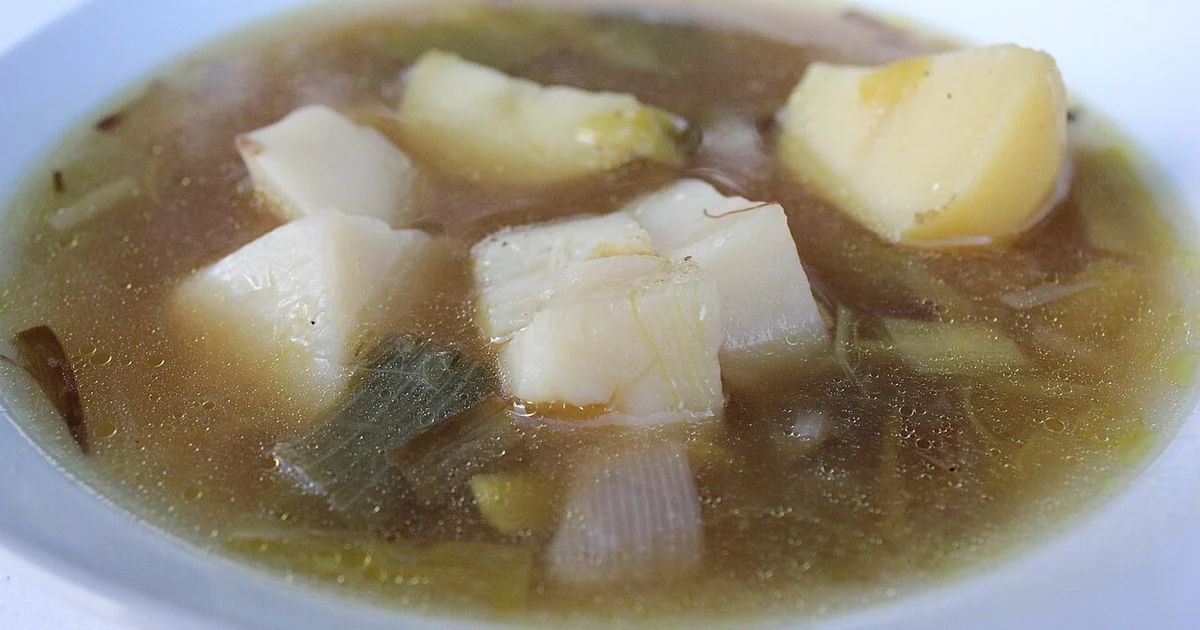
Simple soups are some of the most forgiving meals a home cook can make, yet they also expose weak technique faster than a complicated dish does. When there are only five or six ingredients in the pot, each one carries more weight. A limp vegetable or an underseasoned broth is hard to hide. This article takes a different angle from general pantry advice: instead of listing staples, it focuses on the four decisions that determine whether a short ingredient list tastes deliberate or merely thin. These ideas apply to any simple soup you make at home, including the warming Filipino-style bowls that home cooks often enjoy on weeknights.
Start With Fewer, Better Ingredients
A simple soup works best when every ingredient has a clear job. Before you cook, name the role each item plays: one ingredient supplies body, one supplies aroma, one supplies sweetness or sourness, and one supplies the main protein or starch. If you cannot name a job for an ingredient, it may be a candidate for removal rather than another pour of stock.
Quality matters more than quantity in this approach. Choose produce that is firm, fresh, and in season, because it needs little help to taste good. A ripe tomato or a crisp leafy green can carry a broth that would otherwise taste flat. Buy the freshest version you can reasonably afford, and avoid stacking several weak ingredients in the hope that they add up to something interesting.
Prep Each Ingredient for Its Purpose
How you cut an ingredient changes how it behaves in the pot. Thin slices of aromatics such as onion or garlic release flavor quickly and suit a short simmer. Thick chunks of root vegetables need more time and hold their shape better in longer-cooking broths. Matching the cut to the cooking time prevents one component from turning to mush while another is still raw.
Consider adding ingredients in stages. A common approach is to sweat aromatics first in a little oil, add the broth and sturdy items next, and stir in quick-cooking greens near the end. This keeps textures distinct and prevents overcooked leaves from dulling the color and taste of the bowl.
Season in Layers, Not All at Once
With few ingredients, seasoning is where most simple soups succeed or fail. Season in layers: a little salt when you sweat the aromatics, a measured amount when the broth comes to a simmer, and a final adjustment just before serving. Tasting at each stage tells you whether the broth is developing or simply getting saltier. Layered seasoning also gives you room to correct course, since it is easier to add salt than to remove it.
Acid and brightness deserve special attention. A small squeeze of citrus or a splash of vinegar at the end can lift a broth that tastes heavy. Taste before and after adding it so you can judge whether the soup needs a touch more or whether you have crossed into sharpness.
A Practical Checklist for Simple Soup Nights
Before you start cooking, ask yourself a short set of questions. Does each ingredient have a clear role? Are the cuts matched to the cooking times? Have I planned when to add delicate greens so they keep their color? Do I have a way to taste and adjust seasoning at least twice during cooking? Is there a bright finishing element, such as citrus or a vinegar, ready to use if the broth needs lift?
Afterward, note what worked. If one vegetable went soft, next time cut it larger or add it later. If the broth tasted thin, consider whether you needed more of a flavor-building ingredient or simply more time to reduce. Over several cooks, these small notes become a personal reference that makes simple soups easier and more reliable.
Simplicity rewards attention. A bowl built from a few well-chosen ingredients, prepared with care and seasoned in stages, can be as satisfying as a longer recipe. The goal is not fewer ingredients for their own sake but a clear reason for every item that goes into the pot.