Soup Night for the Whole Family: Balancing Kids, Adults, and Mealtime Chaos
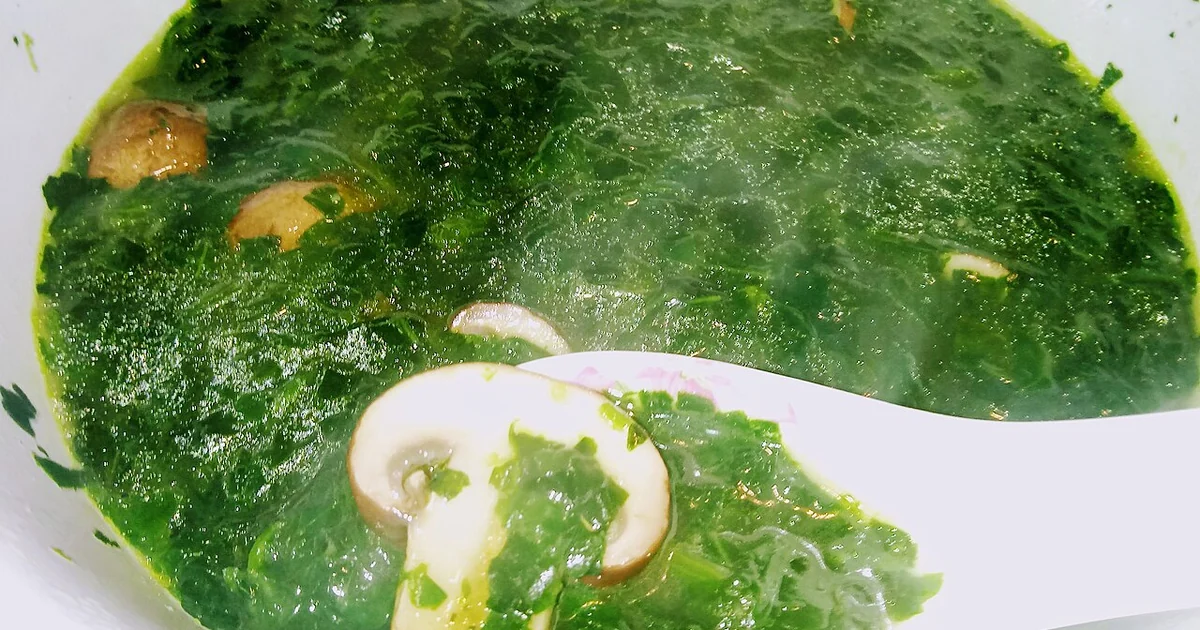
Family dinners often come down to a simple tension: one person wants something mild, another wants something bold, and someone else has not decided yet. Soup can be a surprisingly good answer to this problem. A single pot can hold a gentle base for small eaters and room for grown-up seasoning at the table. This article looks at how to plan family soup meals with less stress, whether you cook at home or decide to order in. Happy Soup, which offers twelve playful Filipino soups with upgrade options and delivery through Foodpanda or direct order at happysoup.net, is one example of a menu built around this kind of variety, but the planning principles below apply to any soup dinner.
Start With the Youngest and Least Adventurous Eater
When a family plans a meal around the most cautious palate, everyone usually ends up fed. Adults can always add heat, acid, or fresh garnish at the table, but it is much harder to take spice out of a bowl after it is served. Before you choose a soup, identify the eater who is most likely to refuse food and ask what that person tends to accept. Some children prefer clear broths and separate noodles; others like a thick, savory base with familiar vegetables.
A useful habit is to build the pot in layers. Keep the base mild, cook proteins and vegetables until tender, and set out small bowls of toppings such as calamansi, chili, fish sauce, or chopped scallions. Each person then customizes their own bowl. This approach respects picky eaters without forcing a separate dinner, and it gives adults a sense of control over flavor.
Plan Portions for Big Appetites and Small Stomachs
Soup is forgiving about quantity, but it can still run out at the wrong moment. A practical rule is to estimate the number of bowls, then add one extra for growing teenagers, guests, or a second helping. Keep rice or noodles separate when possible so they do not swell and absorb the broth before serving. Starchy sides that cook quickly, such as steamed rice, are easier to scale up at the last minute than a pot that has already reduced.
Think also about timing. Young children often eat early and quickly, while adults may linger over conversation. Serve the first course while the pot is hot and keep a small reserve warm on low heat for those who want seconds later.
A Checklist Before You Cook or Order
Whether you are stirring a pot or choosing from a menu, a short set of questions prevents most family dinner problems. Ask who is eating and what each person has rejected in the past. Ask how spicy the dish is by default and whether heat can be adjusted separately. Ask whether there are ingredients anyone avoids for allergies, religious reasons, or personal preference, and check labels or menu descriptions rather than guessing. Ask how many servings you truly need, and whether any side dishes will be required to make the meal feel complete.
If you are ordering, also confirm the practical details: the delivery channel you plan to use, what the menu description says about the dish, and whether any add-ons or upgrades are listed clearly before checkout. Happy Soup lists twelve soups along with elite upgrades and toy perks on its site, so families with young children may want to review those options carefully before placing an order. Treat the listing as the source of truth and compare it against your household's needs rather than relying on memory or assumptions.
Keep the Evening Calm
Family meals go better when the tasks are divided. One person can set the table and pour drinks, another can portion bowls, and an older child can arrange toppings in small dishes. Preparing these elements before everyone sits down reduces the rush of last-minute decisions. Keep a clean workspace as you go, because a tidy kitchen makes it easier to return to cooking if something needs adjusting.
The goal is not a perfect dinner but a predictable one. When children know what soup night looks like and adults know what to check beforehand, the meal becomes a shared routine rather than a negotiation. Over time, that routine is what makes family soup nights feel welcome instead of stressful.