Less Stuff, Better Soup: Choosing Simple Ingredients That Let Each Flavor Land
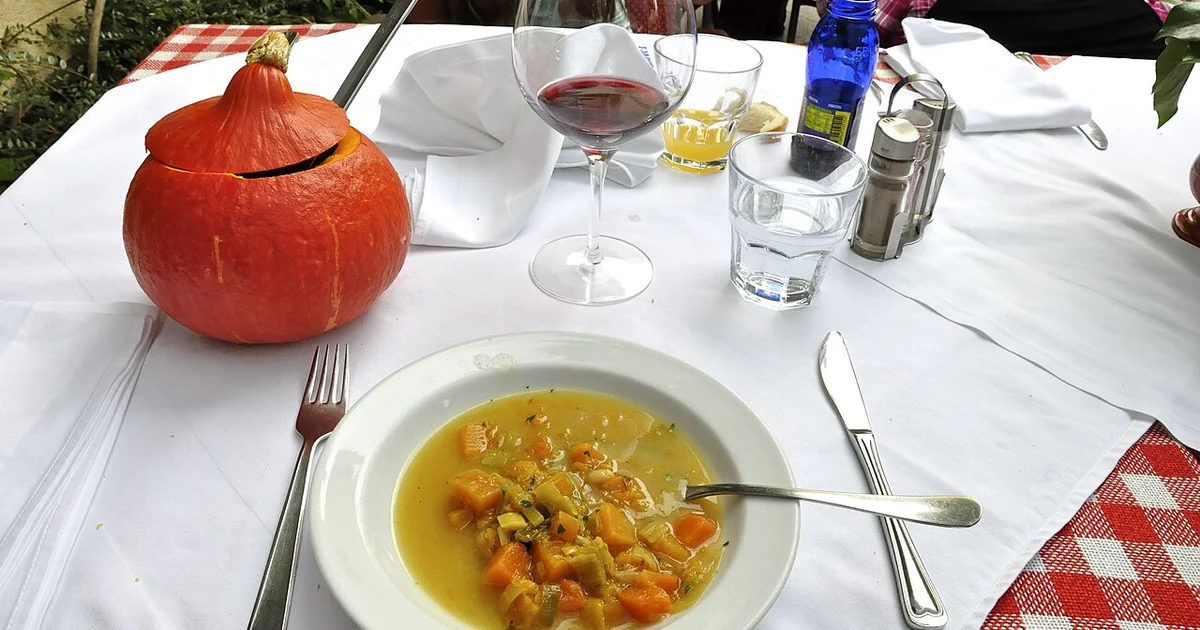
Many home cooks assume a better bowl of soup needs a longer ingredient list. In practice, the opposite is often true. When a soup relies on five or six components, each one has room to shine, and the cook can taste and adjust each step. This article focuses on a different angle than most soup advice: how to decide which ingredients earn a place in the pot, how to match them to the soup you want to make, and how to keep the process low-stress on busy evenings. The goal is not to cook fewer dishes for the sake of it, but to build a bowl where every flavor has a clear job.
Start With the Role Each Ingredient Plays
Before you buy anything, sort the ingredients you have in mind into roles. Most soups need a base (water, stock, or a simmered aromatic), a main body (protein, vegetables, or starch), a seasoning layer (salt, acid, a little fat, or a sour or savory accent), and a finishing touch (fresh herbs, a squeeze of citrus, or toasted aromatics). If an ingredient does not clearly fit one of these roles, it is worth asking whether the soup needs it at all.
This simple sort helps prevent a common problem: buying five vegetables that all compete for attention in the same spoonful. A soup built around one strong vegetable and one clean protein often tastes more focused than a pot where every item is trying to be the star. Write down the role for each planned ingredient, then remove any that cannot justify its place.
A Practical Checklist for Choosing Ingredients
Use these questions at the store or while planning a meal. First, does this ingredient add a distinct flavor or texture, or does it mostly repeat something already in the pot? Second, can I tell what it will taste like after simmering? Some vegetables soften and sweeten, while leafy greens fade quickly and delicate herbs lose their aroma if added too early. Third, does it cook in roughly the same time as the rest of the soup? Adding a dense root and a quick-cooking green together usually means one of them will be mushy by the time the other is done.
Fourth, is the ingredient easy to find and store well? Buying a single specialty item for one recipe often leads to waste. Fifth, does the amount you need match a reasonable portion? Buying a large bunch of an herb you will use a single sprig of is a predictable source of leftover produce. Working through these five questions takes a minute and tends to produce shorter, cheaper, and more satisfying shopping lists.
Let Simple Ingredients Carry Their Own Flavor
Simple soups depend on technique as much as on what goes in. Brown aromatics such as onion and garlic gently until they smell sweet, not sharp. Add salt in stages, tasting after each addition so you can see how the broth opens up. Give the protein or vegetables a chance to release their flavor before covering them with liquid when the recipe allows it. These small steps help a short ingredient list taste deliberate rather than thin.
Acid is especially useful in simple soups. A small amount of citrus, vinegar, or a tangy ingredient added near the end can brighten a broth that tastes flat without any added complexity. Add it in small portions and taste again. Too much acid can overpower the other flavors, so treat it as a finishing adjustment rather than a main component.
Comparing Two Approaches to a Weeknight Pot
Consider two ways of approaching the same evening. In the first, the cook gathers a long list of vegetables, two kinds of protein, and several seasonings, then tries to add everything in the order the recipe suggests. Timing becomes stressful, and it is hard to tell which flavor is responsible for the result. In the second, the cook chooses one protein, two vegetables with different cooking times, and a single aromatic base, then finishes with a fresh herb. Each step is easy to check, and the final bowl tastes clear.
The second approach is not automatically better for every occasion, but for everyday cooking it tends to save time and reduce frustration. If you find yourself consistently overwhelmed by long recipes, try rewriting one of them with half the ingredients and see whether the result still satisfies you. Many cooks discover that their favorite bowls were defined by two or three elements all along.
Questions to Ask Before You Cook
Before turning on the stove, ask whether you know the cooking order, the approximate time each ingredient needs, and how you will know it is done. Ask whether you have a plan for leftovers and whether the soup will hold its texture if reheated. If you are ordering a ready-made meal instead, ask what the menu lists as its main components, how much is included, and whether any items can be adjusted to your preferences. Clear answers to these questions make simple soups easier to plan, whether you cook them yourself or choose them from a menu.