Mise en Place for Soup Nights: Building Prep Routines That Protect Your Evenings
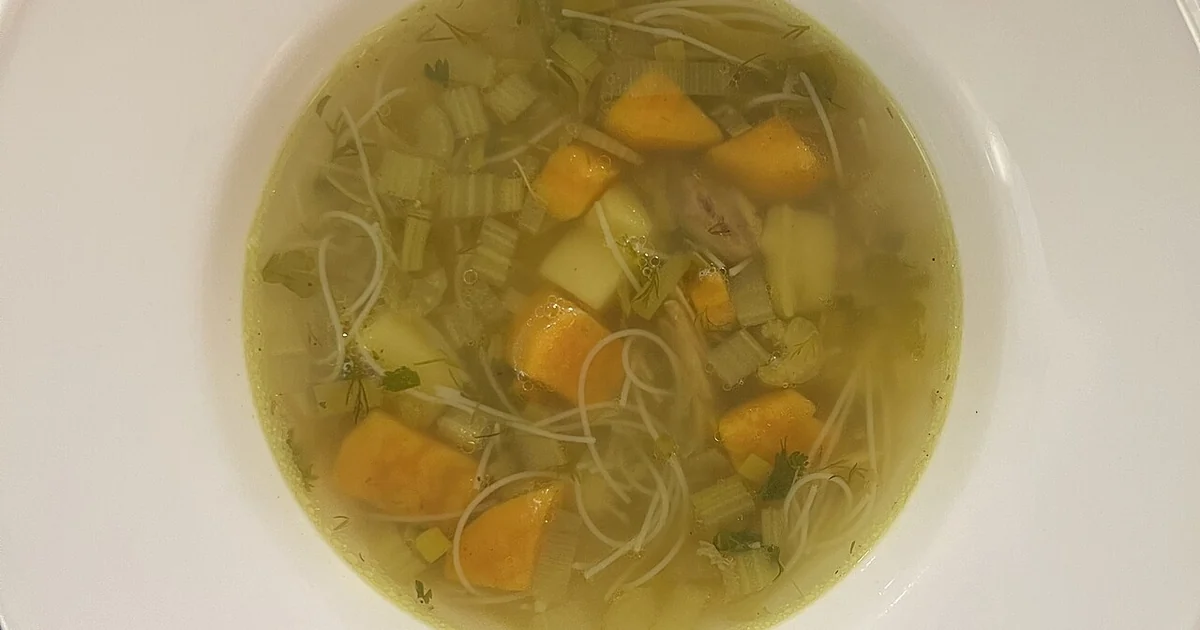
Most soup nights don't fall apart because of the recipe. They fall apart at 6:40 p.m., when someone realizes the onions are still in the bag, the stock is still frozen, and the rice cooker is buried under yesterday's dishes. Professional cooks call the fix mise en place, a French phrase meaning everything in its place. It is less a single technique than a set of habits: arranging your ingredients, tools, and workspace before the heat goes on. For home cooks who make comfort food on weeknights, these habits quietly decide whether dinner feels relaxed or rushed. This guide walks through a practical approach you can adapt to any soup, whether you are cooking a brothy vegetable bowl or a richer stew that simmers for an hour. Nothing here requires special equipment. It requires a little planning, a consistent order of operations, and a willingness to spend five minutes on preparation so that the other forty-five feel calm.
Start With a Backward Plan, Not a Shopping List
Before you touch a knife, read the recipe from the final step backward. Ask what must be hot when you serve, what needs time to rest, and which steps cannot be rushed. Soups usually have two timing categories: components that simmer for a long time, such as a broth or a tough cut of meat, and components that should be added late to keep their texture, such as leafy greens, noodles, or delicate seafood. Once you have identified those two categories, you know which tasks must start first and which can wait.
Write down the sequence in plain words on a sticky note or the back of an envelope. For example: start the stock at 5:30, chop the aromatics while it heats, add the protein at 6:00, add greens in the last three minutes, check seasoning before serving. This takes two minutes and prevents the common mistake of finishing the onion just as the pot needs its attention.
Stage Ingredients by Cooking Order
Mise en place becomes genuinely useful when you arrange ingredients in the order you will add them. Place each prepared item in its own small bowl or on a separate section of a tray, and line them up left to right in the sequence of the recipe. Aromatics like garlic, ginger, and onion go first. Proteins and vegetables that need searing or longer cooking come next. Quick finishing ingredients sit at the far end, covered, so they are within reach at the right moment.
This arrangement also makes cleanup easier, because you are not hunting through the counter for the item you need. Keep cutting boards and knives for each stage clear, and wipe the surface between tasks that involve raw protein and ready-to-eat vegetables. Clean as you go by filling the sink with warm, soapy water while the pot heats, and rinse tools as soon as they are free.
A Practical Checklist for Weeknight Soup Prep
Use this checklist before every soup night until the routine feels automatic. First, confirm you have the main ingredients and at least two acceptable substitutes for anything perishable. Second, check whether frozen items need to thaw, and move them to the refrigerator or a cold water bath at least an hour before cooking. Third, measure seasonings and liquids into small containers so you are not reaching for the salt tin mid-simmer. Fourth, set out the pot, ladle, strainer, and serving bowls. Fifth, decide what the final texture should be, since soups thicken as they sit and noodles soak up broth quickly.
Also ask a few questions that home cooks often skip. Will anyone at the table need a milder version? Can the base be made a day ahead and reheated gently? Do you have enough serving containers if leftovers are likely? These questions take seconds to answer and often prevent last-minute improvisation.
Build a Repeatable Rhythm
Routines matter more than perfection. If you cook soup regularly, pick a consistent rhythm: the same prep spot, the same order of tools, and the same cleanup pattern. Over time your hands learn the sequence, and the cooking feels lighter. Some households set aside one evening a week to chop vegetables and portion proteins for several meals. Others keep a small rotation of pantry staples, such as dried mushrooms, canned beans, and frozen greens, so a simple soup can come together even on a tired night.
Finally, review what went wrong and what worked. Did the rice overcook because it waited too long? Did the table feel rushed because the second course was not ready? Small notes after each meal become a personal manual that makes the next soup night easier, and that steady improvement is the real benefit of disciplined kitchen habits.