Turning Soup Night Into a Shared Family Ritual Everyone Anticipates
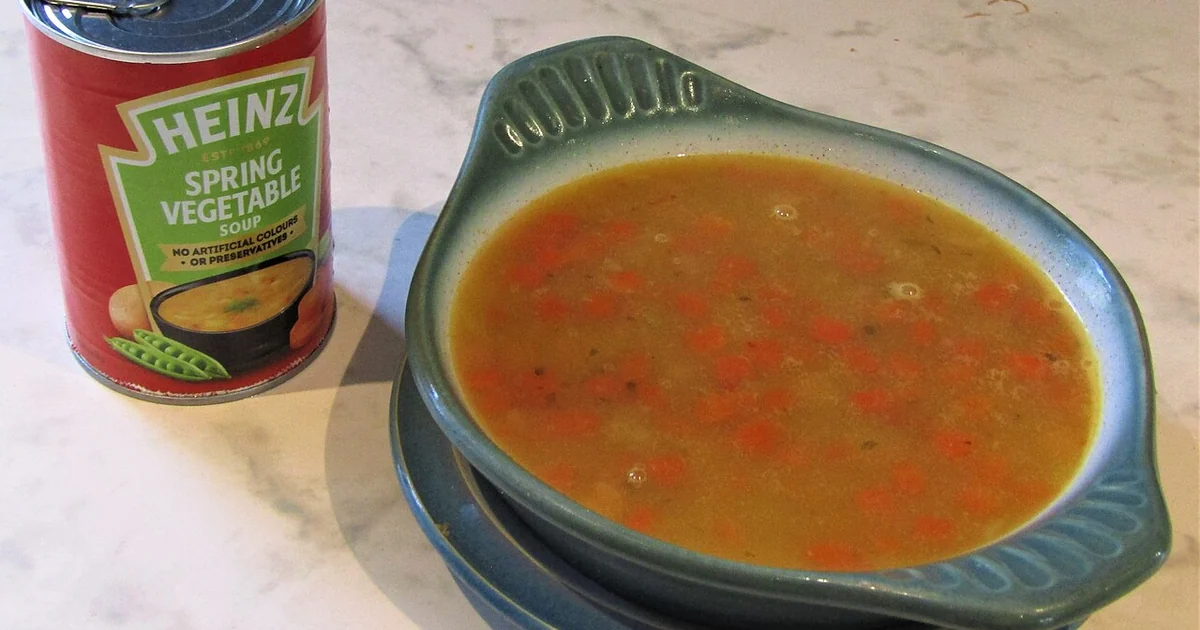
A family meal built around soup can feel effortless or chaotic, depending on how it is organized. Soup is forgiving: it stretches across portions, holds well on the stove, and lets each person adjust their bowl. Those strengths only turn into a calm routine when the household agrees on who does what, how much to make, and what happens when plans change. This guide focuses on the planning side of family soup nights, whether you cook from scratch, reheat leftovers, or place an order for pickup or delivery through a service such as Foodpanda or a direct order from Happy Soup at https://happysoup.net/. The goal is a repeatable ritual that keeps everyone at the table without relying on last-minute improvisation.
Assign Roles Before the Pot Is Hot
Many family dinners fall apart not because the food is poor but because nobody knows who is responsible for what. Before the evening begins, decide on a small set of roles: someone sets the table, someone portions bowls or serving containers, someone handles drinks or side items, and someone takes charge of cleanup. Roles can rotate weekly. Writing them on a shared note or a whiteboard by the fridge removes the need to negotiate every night.
For households with older children, a useful habit is to give them a real decision rather than a chore. Ask a teenager to choose between two soups or to decide the order of toppings. Ownership tends to improve attitude, and it spreads the mental load of planning across the family instead of concentrating it on one adult.
Plan Portions Around Appetite, Not Just Headcount
Counting people is a starting point, but appetites vary widely. A growing teenager, a toddler, and an adult who skipped lunch need very different amounts. A practical method is to plan a base serving per adult, then add a half portion for each child and a little extra for guests or unpredictable eaters. Soups that include rice, noodles, or starchy vegetables stretch further, so you may need less broth per person than you expect.
Keep a small reserve in the fridge or freezer for the next day. Soup portions usually store well for a few days when cooled quickly and sealed. Label containers with the date and contents so that leftovers become a planned lunch rather than a mystery jar. If you order instead of cooking, check the portion details on the listing and compare them against your household size before confirming the order.
A Quick Checklist Before Each Soup Night
Use a short checklist to avoid the common problems. First, confirm the number of people eating and note any who have strong preferences or will eat only part of the meal. Second, check the pantry for rice, bread, or noodles, and for the simple toppings you plan to serve, such as chopped onions, calamansi halves, or a dish of fried garlic. Third, decide the timing: whether the soup will be served immediately, held warm, or reheated in batches. Fourth, assign the roles discussed above.
Fifth, consider the kids' needs separately. A child may want plain rice on the side, a smaller bowl, or a utensil that is easier to handle. Sixth, plan the cleanup path in advance: where dishes will soak, which containers go into the fridge, and whether the pot needs to cool before washing. Running through these six items takes two minutes and prevents most of the friction that spoils a family meal.
Questions to Ask Before Ordering or Cooking
Whether you cook or order, a few questions make the decision clearer. Does the menu include options that suit everyone, including someone who prefers milder flavors? Are there items that work well as a shared side? For delivery, check the delivery platform's own terms on fees, timing, and order changes, because those details come from the platform and can vary. For direct orders from the Happy Soup website, read the product information carefully and confirm quantities before checkout.
Ask yourself what the family will do if the meal runs late. A soup that holds its temperature and texture is more forgiving than one that thickens or separates. Consider whether you have a plan for reheating and whether you have enough bowls and spoons. These are simple questions, but they keep a family dinner from becoming a scramble.
Making the Ritual Stick
A ritual works when it is predictable and small enough to maintain. Choose one consistent element, such as a weekly soup night, a particular soup that the family looks forward to, or a standing question at the table about each person's day. Keep the structure light so it survives busy weeks. If a week goes off plan, return to the simplest version: one pot, one set of roles, and a short conversation. Over time, the routine becomes something the family anticipates rather than something it has to organize from scratch.