Planning Family Soup Meals That Work for Kids and Grown-Ups
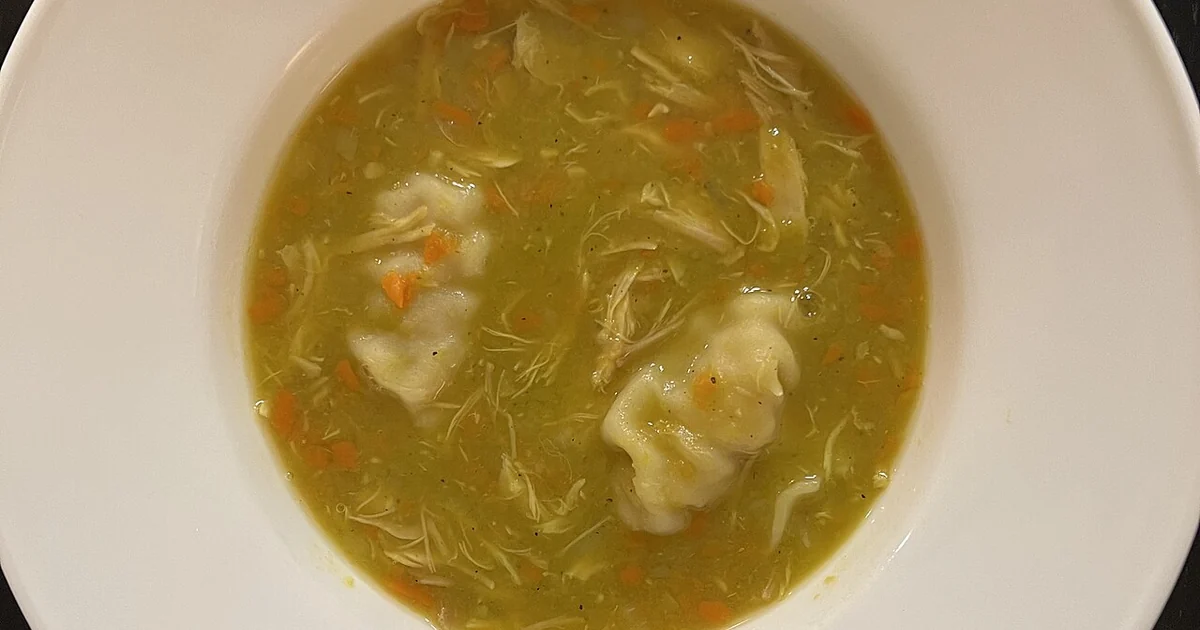
Family meals often fail for reasons that have little to do with cooking skill. A dinner that suits a hungry teenager may overwhelm a toddler, and a dish that delights adults may leave a picky child pushing noodles around the bowl. Soup can be one of the most forgiving formats for mixed-age tables because each person can adjust their own portion, add their own seasonings, and pace their eating. This article looks at how to plan family soup meals with more intention: how to think about flavor and texture across age groups, how to build a rotation that stays interesting, and how to decide between cooking at home and ordering from a restaurant or delivery service. Along the way it offers questions to ask and a simple checklist you can use before the next family dinner.
Start With the Youngest and Oldest Eaters
When planning a family meal, it helps to identify the eater with the most specific needs first. Young children often prefer mild flavors, softer textures, and foods they can pick up or scoop without much effort. Older adults may need softer foods, lower sodium, or smaller portions, depending on their own preferences and any guidance they have received from their own health providers. Teenagers, meanwhile, tend to want larger portions and bolder flavors. A soup that works for all three is not impossible, but it usually requires adjustments rather than a single fixed recipe.
A practical approach is to design the base soup so it is mild and well seasoned, then let each person finish their own bowl. Set out small bowls of calamansi or vinegar, chili, fish sauce, toasted garlic, or chopped scallions. Children can skip the condiments entirely, while adults can season to taste. This keeps one pot useful for everyone without forcing a single intensity level onto the whole table.
Balancing Texture, Temperature, and Portion Size
Texture is often the biggest source of resistance at family tables. Very hot broth can be uncomfortable for small mouths, and chunks that are too large or stringy can be hard to manage. A useful habit is to cut ingredients into consistent, manageable pieces and to cook starchy items like rice or noodles separately, so that each bowl does not become overly soft while the pot waits on the stove. Serving broth and add-ins in separate containers also lets parents control how much each child receives.
Portion planning deserves the same care. Rather than filling every bowl to the top, many families find it easier to serve a modest first portion and offer seconds. This reduces waste when a child eats only a few spoonfuls, and it prevents the frustration of a full bowl that goes untouched. Keeping a small reserve of plain rice or bread on the table can also help younger eaters feel secure while they try new flavors.
Building a Rotation Without Burning Out
A family rotation is different from a menu of one-off experiments. The goal is to keep a few reliable options that everyone accepts, then introduce one unfamiliar element at a time. For example, if the family regularly eats a mild chicken soup, the next week might keep the same broth and add a new vegetable. This gradual change respects familiar comfort while still allowing the palate to grow.
Writing the rotation down, even on a simple whiteboard or shared note, reduces decision fatigue. Note which soups were well received, which were tolerated, and which were rejected. Over a few months, this record becomes a practical guide to what your household actually enjoys rather than what you assume it will enjoy.
Deciding Between Cooking at Home and Ordering In
Some weeks, cooking a full pot of soup is not realistic. Ordering in can make sense when schedules are tight, when a family wants to try a dish they cannot easily make, or when a special dinner calls for less preparation. Happy Soup offers a range of Filipino soups with delivery options through Foodpanda or direct ordering from its website, which may suit households that want a ready meal on a busy evening. Before ordering, it is worth checking the details that matter for your family, such as portion sizes listed on the menu, any add-ons, and whether the menu includes items each person will actually eat.
A short comparison can help. Cooking at home gives you control over salt, ingredients, and portion size, and it can be cheaper per serving, but it demands time and planning. Ordering in saves preparation and cleanup, offers variety without shopping, and can be useful as an occasional treat. Many families combine the two: cook a simple staple at home and order a special soup for one or two meals each month.
A Quick Checklist Before Family Dinner
Before serving a family soup meal, ask a few practical questions. Does the base taste good without added seasoning, so younger eaters have a safe starting point? Are ingredients cut and textured for the smallest person at the table? Is there a plain starch available in case someone wants something familiar? Are condiments set out so each person can adjust their own bowl? Has anyone in the household noted an allergy or a food they avoid, and has that been checked against every ingredient?
If the answers are mostly yes, the meal is likely to go smoothly. If not, a small adjustment, such as serving broth separately or preparing a simple side, can make a significant difference. Family meals succeed less through perfect recipes than through thoughtful preparation that respects each person's needs.