Simple Ingredients That Let a Filipino Soup Shine
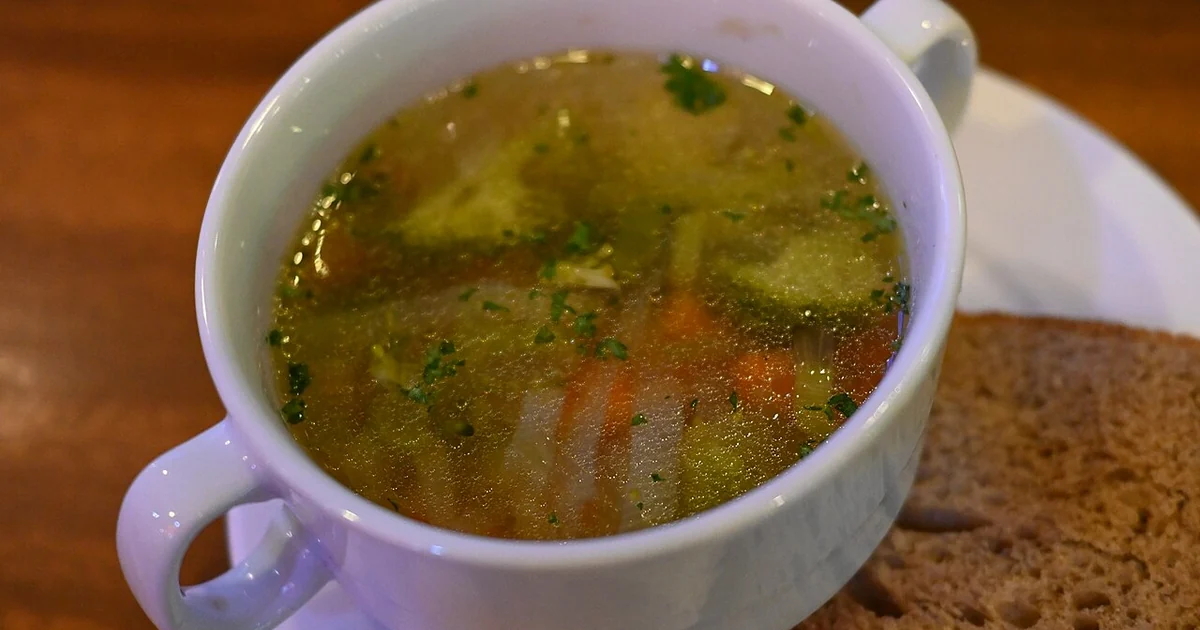
Some of the most satisfying soups in Filipino home cooking rely on very few ingredients. A bowl of sinigang, tinola, or a light egg drop soup can taste rich and layered even when the ingredient list fits on a sticky note. The secret is rarely a rare spice or a long simmer. It is usually a clear understanding of what each simple ingredient contributes and when to add it. This guide walks through how to think about that, so you can cook with confidence and stop reaching for a dozen extras when one or two would do the job.
Start With a Base That Does Real Work
Most simple soups begin with aromatics: garlic, onion, and sometimes ginger. These are not decorative. Sautéing them in a little oil until the garlic turns pale gold and the onion softens releases sugars and fat-soluble flavor compounds that water alone cannot extract. Stop before the garlic browns, because scorched garlic turns bitter and can ruin an otherwise gentle broth.
Once the aromatics are ready, the liquid you add matters. Plain water produces a clean, delicate soup, which suits dishes where the protein or vegetables should lead. Stock or a boiled bone broth adds body and savoriness, but it also adds salt, so taste before you season further. A good habit is to add salt in small amounts at two points: once at the start and once near the end, after the flavors have concentrated.
Choose Sour, Salty, and Fresh Elements Deliberately
Many beloved Filipino soups depend on a sour note. Tamarind, calamansi, kamias, and green mango each bring acidity in a different style. Tamarind gives a deep, fruity tang, while calamansi offers brightness best added near the end so its aroma survives. Add souring agents gradually, tasting as you go, because acidity can jump quickly from pleasant to sharp. If you are using a powdered base, read the label for sodium content and adjust your other seasonings accordingly.
Fresh herbs and leafy greens finish a soup. Spinach, water spinach, or bok choy need only a minute or two in hot broth. Long cooking turns them dull and limp. Add them just before serving and let the residual heat wilt them.
A Simple Checklist Before You Serve
Before you ladle the soup, run through a short check. First, taste the broth on its own, without rice or protein, and ask whether it is balanced: salty enough, sour enough to be interesting, and not so strong that it overwhelms the main ingredients. Second, check the texture of your vegetables. They should be tender but not disintegrating unless that is the style you want. Third, confirm that delicate ingredients such as eggs, leafy greens, or fresh chilies were added at the right moment.
Fourth, consider the fat. A spoonful of oil, a little fish sauce, or a squeeze of citrus at the table lets each eater adjust. Fifth, make sure you have enough liquid for leftovers, since many soups thicken as they cool and some absorb liquid if stored with rice.
Questions to Ask When You Adapt a Recipe
When you find a simple soup recipe online or in a family notebook, ask a few practical questions before you shop. Which ingredient is the star, and which ones are supporting actors? Could a substitute you already own, such as lemon in place of calamansi, change the character too much? How many steps are truly necessary, and which can be shortened without losing flavor? Does the recipe specify timing, or does it rely on sensory cues you can learn to read, such as the color of the broth or the softness of a potato?
Answering these questions helps you cook from understanding rather than memorization, which is the real skill behind simple, satisfying soup. With a reliable base, a deliberate sour note, and a careful final check, a handful of ingredients can produce a bowl that tastes both comforting and well made.