Tasting as You Go: Habit Checkpoints That Improve Every Pot of Soup
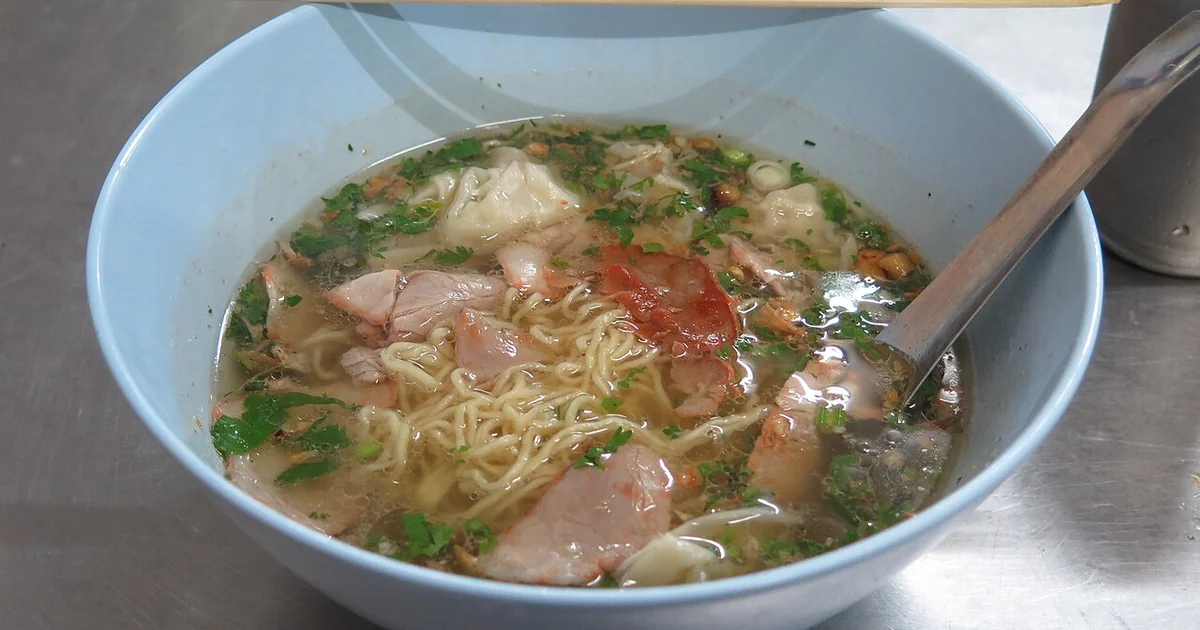
Most home cooks treat soup as a set-it-and-forget-it task: add ingredients, let the pot bubble, and hope the result tastes right at the end. Experienced cooks work differently. They check their soup at several points, adjust in small steps, and build a rhythm that catches problems early. This article covers a habit-based approach to tasting and adjusting that fits weeknight cooking, whether you are making a clear broth, a thick stew, or a comforting Filipino-style soup with layered flavors. The goal is not a complicated system but a few repeatable checkpoints that make your results more consistent.
Why Tasting Once at the End Is Not Enough
A pot of soup changes constantly while it simmers. Salt concentrates as water evaporates, aromatics soften and release different compounds, and starchy ingredients thicken the liquid. If you taste only when the pot is finished, you have no room to correct an imbalance that developed earlier. A soup that was perfectly seasoned at the halfway point can taste sharp or flat by the time you serve it.
Tasting at intervals gives you information you cannot get any other way. Early in the cooking process, you can judge whether your base has enough depth. Midway through, you can see how the vegetables and proteins are contributing. Near the end, you can make the final adjustments that determine whether the bowl feels finished. Each checkpoint is small, but together they replace guesswork with observation.
Three Checkpoints to Build Into Every Pot
The first checkpoint comes right after the base liquid begins to simmer. Take a spoonful of the broth without any solid ingredients and ask whether it tastes like something you would drink on its own. If it seems thin, the base may need more salt or a longer simmer to extract flavor from whatever aromatics you used. If it tastes harsh, a splash more water or a pause in adding seasoning can prevent overcorrection later.
The second checkpoint comes once the main ingredients have had time to cook through. Taste a bite of the protein or vegetable along with a spoonful of broth. Notice whether the seasoning feels integrated or whether the solids taste bland next to the liquid. Starchy vegetables absorb salt and can change the overall balance, so this is often the moment to adjust.
The third checkpoint is the final taste before you turn off the heat. Ask three questions: Is the salt level right? Is there enough brightness, whether from citrus, vinegar, or a fresh herb? Does the texture match what you wanted, whether that is brothy, thick, or silky? Adjust only one element at a time so you can tell what made the difference.
Adjusting Without Overcorrecting
When a soup tastes off, the instinct is often to add a large amount of something to fix it. Resist that urge. Add salt in small pinches, stir, wait a minute, and taste again. Salt takes time to distribute, so what you taste immediately after adding it may not reflect the final result. The same applies to acid, sweetness, and heat.
If the broth is too salty after you have already seasoned it, dilution is usually the most reliable fix. Adding more unsalted water or a bit of unseasoned vegetables can rebalance the pot. If the flavor is flat rather than salty, look for a lift from acidity or a fresh finishing ingredient rather than more seasoning. Write down what you changed and how much, so the next pot benefits from what you learned.
A Practical Checklist for Your Next Pot
Before you start cooking, set out your seasonings and finishing ingredients within reach of the stove. This simple habit prevents rushed decisions when the pot is hot and you are trying to act quickly. Keep a small tasting spoon near the pot and rinse it between tastes so you do not carry flavors from one checkpoint to the next.
During cooking, make a short mental list: base tasted, solids tasted, final tasted. Note any change you make in a notebook or on your phone. After serving, record what you would do differently next time, such as adding salt earlier or letting the broth reduce longer. Over several weeks, these notes become a personal reference that is more useful than any single recipe.
Finally, let the soup rest briefly before the final seasoning if you can. Flavors often settle and blend after a few minutes off the heat, and a soup that tasted sharp while boiling may feel more rounded once it cools slightly. Give it a last taste, make any tiny adjustment, and serve.
Questions to Ask Yourself at Each Step
Good habits depend on asking the right questions. At the base stage, ask what the broth is missing and whether the aromatics have had enough time to release their flavor. At the solids stage, ask whether the ingredients are cooked to the texture you want and whether they carry seasoning on their own. At the final stage, ask what one element would make the bowl feel complete.
These questions keep your attention on the pot rather than on a fixed set of instructions. Recipes give you a starting point, but your kitchen, your ingredients, and your taste will always vary. A consistent tasting routine lets you adapt confidently and build the judgment that makes home cooking feel less like following orders and more like making something you understand.