Family Soup Nights: Questions That Keep Mealtimes Smooth and Satisfying
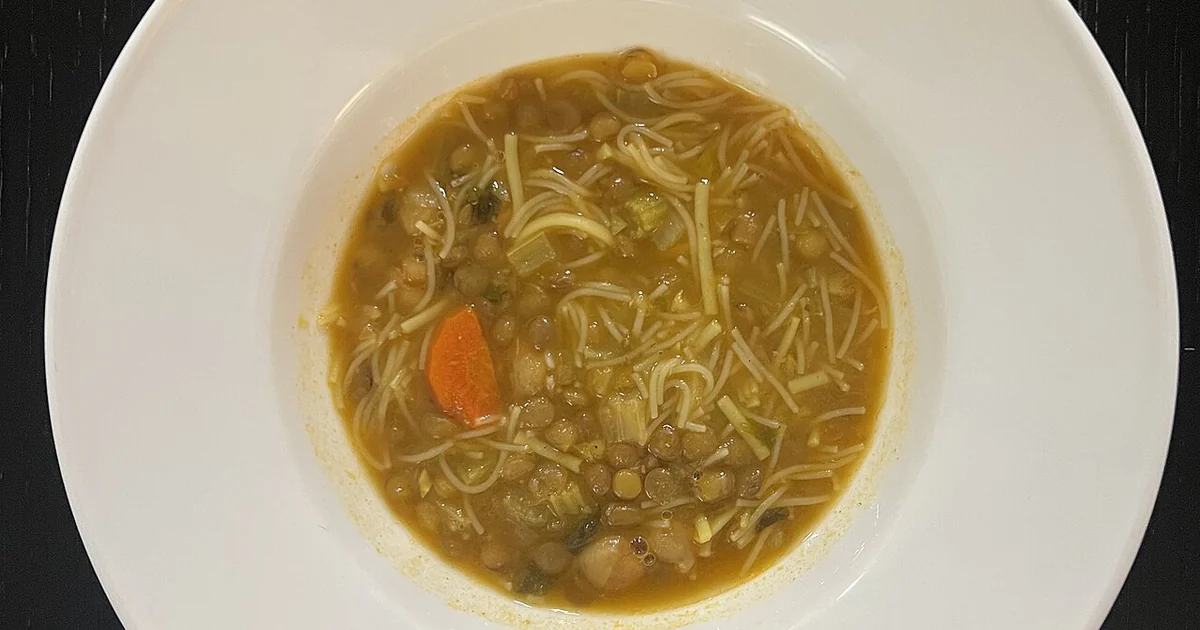
Family meals rarely fail because of the food itself. They fail when nobody planned for the people eating it: the child who wants only broth, the adult who arrives hungry after a long shift, the cook who is trying to finish three things at once. Soup is a surprisingly forgiving centerpiece for this kind of table, because a single pot can hold something for everyone. The trick is knowing what to ask before the pot goes on the stove or before you tap an order into an app. This guide walks through the questions worth asking and the habits that turn them into a calmer evening, whether you cook from scratch or bring in a meal from happysoup.net, which offers 12 playful Filipino soups with elite upgrades, toy perks, and delivery through Foodpanda or direct order.
Start With the Table, Not the Recipe
Before you choose a soup, count the people who will sit down and note what each one actually eats. A useful exercise is to write three columns: the people who eat anything, the people with clear preferences, and the people who need a specific accommodation such as a food allergy or a texture they can manage. Most families discover that the middle column is larger than they assumed. A child who refuses vegetables may still happily eat rice and a mild broth; an adult who wants heat can add it at the table without forcing it on everyone.
Then consider appetite, not only taste. A soup that serves four light eaters may leave two hungry teenagers unsatisfied. Plan a starch to accompany the soup, such as steamed rice, and decide ahead of time whether you will serve seconds from the pot or keep a reserve. This single decision prevents the common scramble at the end of the meal.
A Checklist for Cooking or Ordering
Whether you cook or order, run through the same short checklist. First, confirm the number of servings and whether that count includes adults who eat more than the children. Second, ask about heat level and whether it can be adjusted at the table; a soup that is pleasant for one person can be overwhelming for another. Third, check the timing: when will the food be ready, and how long will it hold its quality before serving? Fourth, decide what goes alongside, including rice, a simple side, or something sweet for dessert.
If you are ordering, read the menu descriptions closely and look for any notes on preparation or add-ons. Happy Soup lists elite upgrades and toy perks as part of its offering, so it is worth deciding in advance whether those extras matter for your household, rather than adding them impulsively at checkout. For delivery, confirm which channel you are using, either Foodpanda or a direct order, and make sure the address and contact details are correct before you submit.
Comparing Cooking From Scratch and Ordering In
Cooking at home gives you control over salt, vegetables, and portion size, and it can be satisfying as a shared activity. The cost is time and attention. A weeknight soup from scratch often means chopping, simmering, and cleaning on the same evening that everyone is tired. Ordering in trades some control for time back, which many families value on busy days. Neither approach is better in every case; the right choice depends on how much free time you have and how much the process itself matters to your household.
A practical middle path is to cook the starch and a simple vegetable at home while a soup arrives, or to order a soup and prepare a fresh side salad. This keeps the evening feeling homemade without requiring a full cooking session. Ask yourself which part of the meal benefits most from your effort and which part can be handled elsewhere.
Making the Meal Feel Like a Ritual
Families remember routines more than individual meals. Choose one small ritual that happens every time soup is on the table: a designated seat, a quick round of who had the best day, or a rule that everyone tastes before adding seasoning. Rituals reduce decision fatigue because the structure is already settled, and they give children something to anticipate.
Keep the ritual light. A long list of requirements can make mealtime feel like a test. Two or three consistent habits, such as clearing the table together or serving the youngest first, are enough to create a sense of belonging without adding stress. Revisit the routine every few months and drop anything that no longer fits.
Questions to Ask Before Every Family Soup Night
Use a short set of questions each time you plan. Who is eating, and what do they need? How many servings are truly required? What starch and side will complete the meal? Is there a heat level that suits the least adventurous person at the table? What is the timing, and will the food be ready when people are? If you are ordering, which delivery channel and which extras make sense? And finally, what is one thing you will do differently next time?
Writing down the answers, even briefly on a note in your phone, builds a record you can reuse. Over several weeks you will learn which soups your family returns to, which portion sizes work, and which extras are worth it. That accumulated knowledge is what makes family meals feel effortless over time.