Ingredient Restraint: Questions Before You Add the Fourth Spice
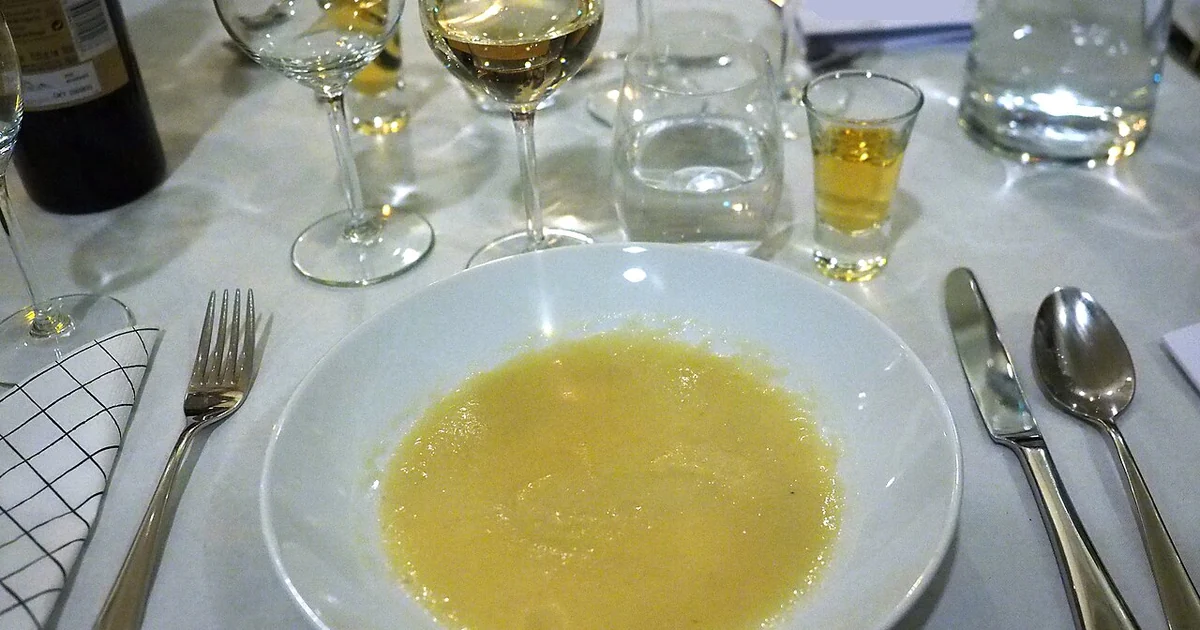
Many home cooks assume that a better soup needs more: another spice, a second broth, a handful of extras from the back of the pantry. Often the opposite is true. When a soup has too many competing flavors, each one gets muddy and the base never gets a chance to speak. This guide looks at ingredient restraint as a skill. It offers questions to ask before adding anything, a practical checklist for shaping a short ingredient list, and ways to test whether a pot really needs what you are about to put in it. The aim is calm, comforting soup that tastes like itself.
Start With the Base, Not the Add-Ons
Every soup has a foundation: the liquid, the aromatics, and the main ingredient that gives the pot its character. Before you think about anything else, name that foundation in a sentence. For example, you might say the soup is built on a clear broth with garlic and onion, with chicken as the protein and a single green vegetable for freshness. If you cannot name the base clearly, the pot will likely drift into a pile of unrelated flavors.
Once the base is named, ask what job each remaining ingredient performs. Does it add salt, sourness, sweetness, richness, body, or color? Two ingredients that do the same job often cancel each other out or make the result harder to read. A soup with both a sour tamarind-style element and a sharp vinegar may taste confused, even if each item is good alone. Assigning one job per ingredient is one of the simplest ways to keep a pot honest.
Questions to Ask Before Adding an Ingredient
Before you reach for an extra item, pause and answer a few direct questions. Does the soup already have this flavor somewhere else? Will I notice if it is missing? Am I adding it because the recipe says so, or because I can taste that the pot needs it? Can I taste the soup at this moment and describe what it lacks in one word, such as flat, heavy, sharp, or dull?
Those one-word diagnoses are useful. Flat usually points to salt or acid. Heavy often means the soup needs something bright or a shorter simmer. Dull can mean the aromatics were under-cooked or the broth was too weak. Matching the problem to a specific fix prevents the reflex of adding one more ingredient to every problem.
A Practical Checklist for a Short Ingredient List
Use this checklist when planning a simple soup. First, choose one primary liquid and one primary protein or vegetable. Second, pick no more than two aromatics, such as garlic and onion. Third, add one seasoning element for salt and one for brightness, and stop there unless the recipe clearly needs more. Fourth, write the job next to each item so you can see whether any two overlap. Fifth, before serving, taste once and adjust only the element that matches the diagnosis you made.
Comparing two versions of the same soup can help. In one pot, you add six seasonings at the start. In another, you add three, and you season at two checkpoints during cooking. Most people find the second pot tastes more distinct and easier to describe, because each flavor has room. The first pot may look more impressive in a photo, but the bowl often tastes like a blend without clear notes.
Testing Flavor Without Guessing
Restraint works best when you taste deliberately. Take a small spoonful at three moments: after the aromatics soften, after the main ingredient is cooked, and just before serving. At each point, notice what you taste and what seems absent. This habit replaces guesswork with information, and it means you add ingredients only when a real gap appears.
Keep brief notes on what you cooked and what you changed. Over several weeks, patterns emerge. You may discover that your family prefers a clear, lightly seasoned soup, or that a single squeeze of citrus at the end does more than a spoonful of an extra spice at the start. Those notes become your own reference, tailored to your kitchen, your ingredients, and your taste.
Keeping Ingredient Restraint Sustainable
A short ingredient list is easier to maintain when your pantry stays organized. Store your staples where you can see them, label containers, and note when you last opened something. When a soup calls for a rarely used item, decide in advance whether it is worth buying, or whether a pantry staple could do the same job with less clutter.
Restraint is ultimately about attention. A simple soup asks you to notice texture, temperature, and balance rather than hide them under additions. With clear questions, a short checklist, and honest tasting, you can build comforting bowls that taste deliberate and are satisfying to make again and again.