Soup Night Without the Scramble: A Ticket-Style Method for Cooking or Ordering
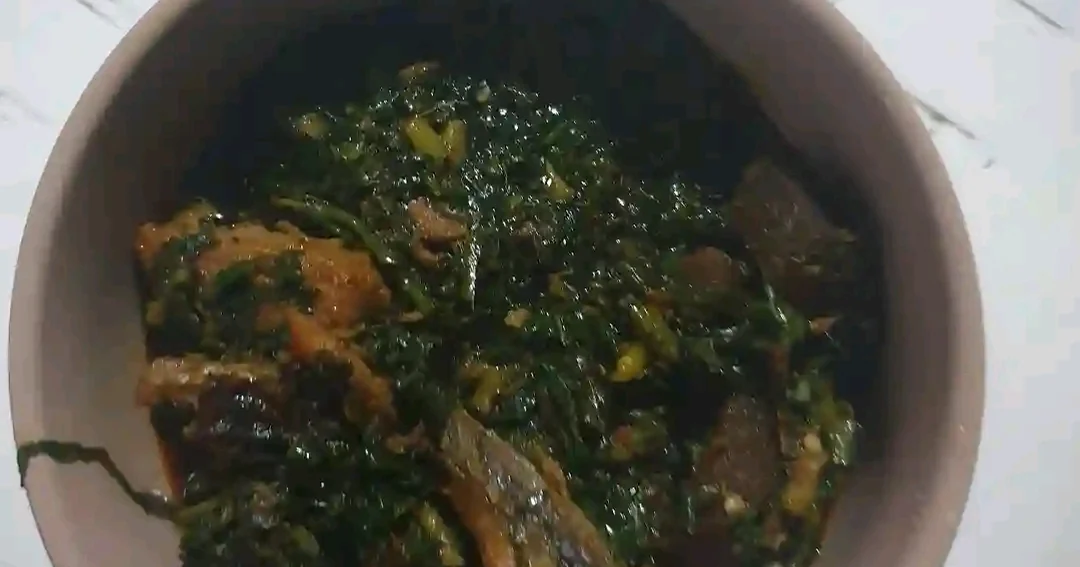
Comfort soup has a way of arriving at the same moment everyone gets hungry and nobody has decided anything. One person wants sinigang, another wants something mild for the kids, and the pot is either empty or already simmering with the wrong plan. A useful fix is not a better recipe but a short decision routine that runs before the stove is turned on. This article offers a ticket-style method: write the evening as a small set of tickets, answer a few questions for each, and then decide whether the work belongs in your kitchen or with a delivery order. Happy Soup offers 12 Filipino soups with options for elite upgrades and toy perks, and delivery is available through Foodpanda or by ordering directly, so the choice between cooking and ordering is a real one. The method below works either way.
Start With a Ticket for Each Person at the Table
Before you think about soup, list who is eating and what each person needs. Write one line per person: age, appetite, and any firm preference or restriction. A toddler who will only eat broth and a teenager who wants extra rice are not the same problem, and treating them as one will cost you a pot of soup that nobody finishes.
Keep the tickets simple. A ticket is not a shopping list; it is a constraint. Examples include "needs mild, no chili," "eats early at 6:00," or "wants leftovers for lunch tomorrow." Once the constraints are visible, the menu tends to narrow itself.
Ask Three Questions Before You Commit
The first question is about time. Count backward from when you want to eat. A simmered soup with raw vegetables and a protein that needs browning can take the better part of an hour once you include chopping and cleanup. If your window is shorter than that, cooking may be the wrong tool for this evening.
The second question is about attention. Some soups let you walk away; others need you at the stove to adjust heat and taste. If you will be helping with homework or answering the door, pick the soup that tolerates interruption.
The third question is about what you will do with the remainder. A large pot of soup is a gift on Tuesday and a chore on Friday. Decide in advance whether you want leftovers, and if not, cook a smaller batch or order a portion that matches the number of people at the table.
A Comparison: Cooking Versus Ordering
Cooking at home gives you control over salt, heat, and the ingredients your family already accepts. It also means shopping, prep, pot handling, and cleanup, all of which should be counted as part of the evening. Ordering removes most of that labor, shifts the decision to menu choice and delivery timing, and leaves less room to adjust a dish once it arrives.
A practical rule: cook when you have the time window, the attention, and a clear sense of who will eat leftovers. Order when the evening is already full, when you want a variety of soups for a group with different tastes, or when you want to try a dish before committing to making it yourself. Neither choice is more virtuous. The goal is to match the method to the evening rather than defaulting to whichever option you remember first.
Checklist before you decide: Have I listed each person's constraints? Do I have the time window, counting prep and cleanup? Can I stay at the stove, or do I need a dish that tolerates interruption? How much will be eaten, and what happens to leftovers? If ordering, do I know the delivery window and which platform I will use?
Keep the Decision Visible to the Whole Family
Soup nights go more smoothly when the decision is shared. Post the tickets on the fridge or read them aloud at the start of the evening. Ask whether anyone has a strong preference, and note the answer. When someone's favorite is not chosen, give a reason tied to the constraints, such as time or spice level, instead of simply saying no.
Over several weeks, patterns will appear. You may notice that weekday soups work best as orders and weekend soups work best as slow cooking. You may find that one family member always wants the same bowl. Recording these patterns turns each soup night from a scramble into a routine that everyone can anticipate.