Happy Soup Lineup Check: Sorting Home-Cooked Bowls From Ordered Ones
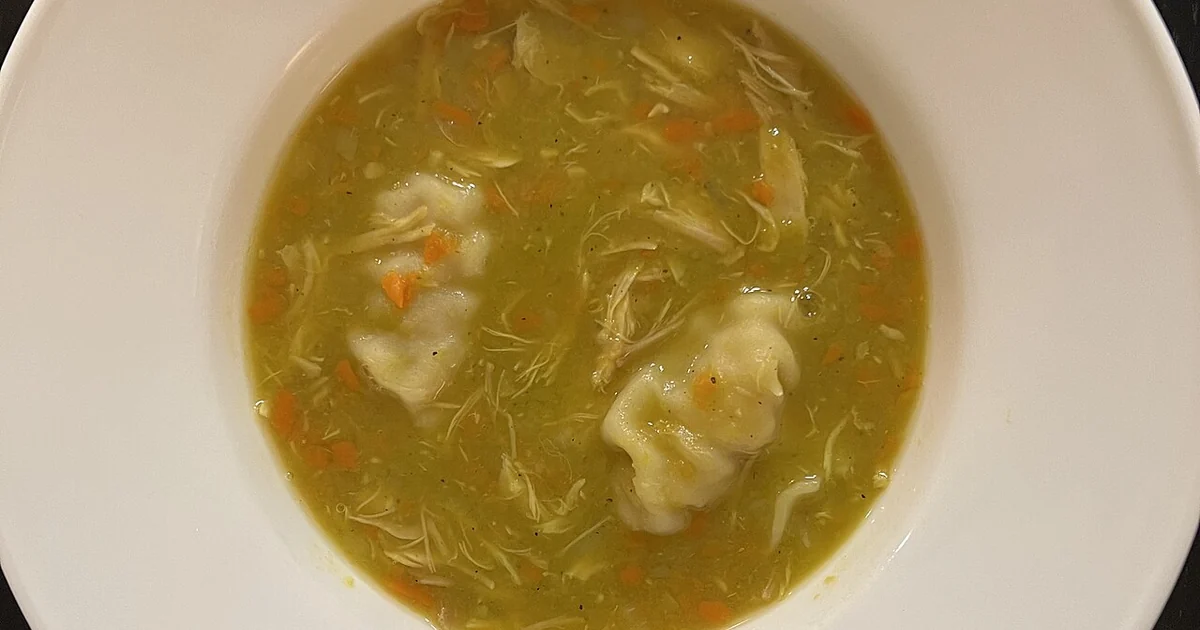
Happy Soup offers a playful range of Filipino soups, and many home cooks find that the real question is not whether a bowl sounds appealing but whether it fits tonight's time, energy, and table. This guide offers a decision method you can apply to any comfort soup, whether you plan to simmer a pot in your own kitchen or place an order. It focuses on the questions that matter rather than assumptions about quality or speed.
Start With the Evening, Not the Recipe
Most soup decisions go wrong because they begin with a craving instead of a schedule. Before you think about ingredients, write down three facts: how much time you have between getting home and eating, how many people are sitting down, and how much attention you can give the stove without being pulled away. A soup that needs forty minutes of unattended simmering is a different commitment from one that needs fifteen minutes of active stirring.
Treat these three facts as the first filter. If the evening is packed, a soup that rewards patience may leave you rushed and frustrated. If you have a slow afternoon and a relaxed household, cooking from scratch can be a pleasant ritual rather than a chore. The point is not that one option is better, but that the choice should match the evening you actually have.
A Comparison Checklist for Cook-or-Order Decisions
Use this plain checklist before deciding. First, ask whether you already own the core ingredients. If the pantry and refrigerator cover the base, cooking is usually cheaper and more flexible. If you would need to buy several specialty items for one meal, ordering may be the more practical path. Second, ask how much cleanup you can tolerate. A multi-pot dinner will leave more dishes than a single bowl warmed and served.
Third, ask who is eating. Children, guests with particular preferences, and people with different spice tolerances all shape the decision. Fourth, ask how the leftovers will be used. A large pot can become lunch for two days, which strengthens the case for cooking. Finally, ask how much the evening's plan depends on being exact. If you need the meal ready at a fixed time, plan a buffer regardless of which route you choose.
Questions to Ask About Any Comfort Soup Order
When you order a soup, read what the listing actually states before assuming anything about it. Check the menu description for the ingredients, portion size, and any add-ons it names. Confirm the delivery method and whether you are ordering through a third-party platform or directly. Each route may have different steps for changing an order, so note where to look if something needs adjusting.
Also ask what the listing does not tell you. If a detail matters to you, such as spice level, allergen information, or how the soup is packaged for transport, do not assume it is covered. Contact the seller or check the product information directly. A short verification step costs less than a disappointing dinner.
Building a Repeatable Soup Routine
The most useful habit is to record what happened. After each soup night, whether you cooked or ordered, write one line: what you chose, how long it took, what worked, and what you would change. Over a few weeks, patterns emerge. You may discover that weeknights favor ordering while weekends favor a long simmer, or that a particular soup always disappoints when cooked at home but satisfies when ordered.
Use those notes to shape a simple rotation rather than debating from scratch every evening. A rotation reduces decision fatigue and keeps comfort food predictable. It also makes it easier to spot when a soup has stopped fitting your life. Comfort cooking works best when it adapts to your schedule instead of demanding that your schedule bend around it.