Family Soup Dinners: A Question Checklist for Shared Tables
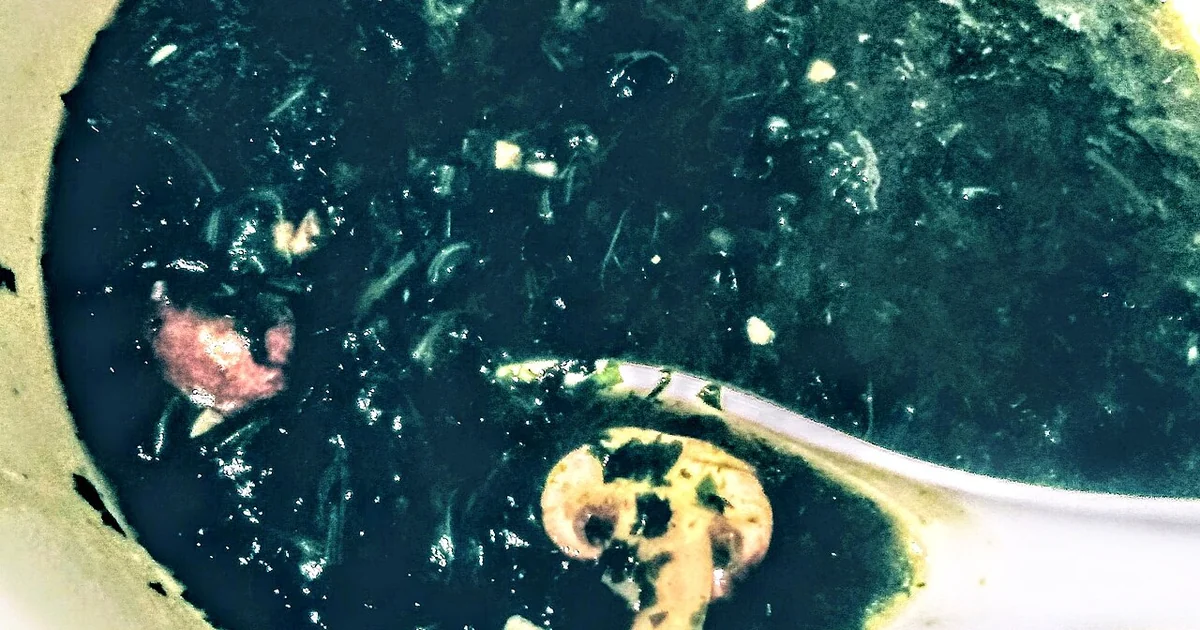
Happy Soup is a brand built around playful Filipino comfort soups, and families who enjoy them often face the same planning problem: a warm pot tends to attract everyone at once, but the work of getting dinner on the table rarely gets divided fairly. This article looks at family soup dinners from a planning angle. Rather than focusing on any single recipe, it offers a set of questions you can ask before, during, and after a meal so the table feels relaxed instead of rushed. The questions apply whether you cook from scratch at home, reheat leftovers, or order a meal for pickup or delivery, and they work for households of two or ten.
Start With Headcount and Appetite, Not the Recipe
Most soup dinners go wrong before the pot ever goes on the stove. The usual mistake is choosing a dish first and then guessing how much it will feed. A better starting point is a short headcount that includes adults, teenagers, and younger children, and a quick note on who tends to eat seconds. A family where two members are always hungry for a third bowl needs a different quantity than one where soup is a light starter.
Ask three questions before you commit to a pot size. How many people are definitely eating? How many might show up late or skip the meal? Which dishes will sit beside the soup, such as rice or bread? Writing the answers down takes a minute and prevents the common pattern of making too little for the crowd you actually have or far too much for a quiet weeknight.
If you are ordering rather than cooking, the same questions apply. Check how the order will be packaged and how many servings the menu indicates, and compare that against your headcount. Do not assume that a single soup automatically covers everyone. Confirm the details on the ordering page for the specific items you choose.
Divide the Work Before the Pot Starts Simmering
Family meals often feel unfair because one person quietly carries most of the tasks: planning, shopping, chopping, cooking, serving, and cleaning. A simple way to change that is to list every task for the evening and mark who owns each one. The list does not need to be complicated. A typical soup night might include choosing the soup, buying anything missing, washing vegetables, measuring water, setting the table, serving bowls, and wiping counters afterward.
Once the list exists, ask whether each assignment matches the person's time and skill. A younger family member can rinse greens and set out bowls. An adult who has a long commute might handle a reheating or ordering task rather than a full cooking session. Rotating roles week to week prevents resentment from building, and it also teaches useful skills to everyone at the table.
Agree on the handoff points as well. Decide who calls the meal ready, who tastes for seasoning, and who has the final say if two people disagree about salt. A short conversation at the start of the evening avoids the mid-cook debates that make a warm dinner feel tense.
Plan Timing So Nobody Waits Too Long
Soup is forgiving in some ways, but timing still matters. A pot that finishes forty minutes before anyone sits down will lose its texture and heat, and a bowl that arrives cold reduces the comfort the meal was supposed to provide. Work backward from the time you want to eat. Estimate how long the pot needs to come to a steady simmer, how long the main ingredients need, and how long serving will take.
Use a short timing checklist. Note when the pot goes on, when the main ingredient goes in, when seasoning gets adjusted, and when the heat turns off. If someone is arriving late, decide in advance whether the soup will hold on low heat or whether their bowl will be reheated. Keep a lid and a spoon nearby so the cook is not hunting for tools during the busiest part of the evening.
For ordered meals, timing works in reverse. Check the expected pickup or delivery window and plan the table setup to match it. Have bowls, spoons, and any side dishes ready so the food does not sit waiting while everyone scrambles to find utensils.
Questions to Ask at the Table
The meal itself offers a chance to check whether the plan is working. Ask a few simple questions during dinner: Is the soup at a good temperature? Does anyone need more rice or a different side? Is the portion size right, or should we make a note for next time? These check-ins help the family adjust in real time without turning dinner into a meeting.
After the meal, spend two minutes on a debrief. Ask what was easy, what caused stress, and what everyone would change. Write one or two notes on a card or in a shared file. Over several weeks, these notes become a personal reference for portions, timing, and task splits that fit your household far better than any general advice.
Keep the tone light. Family soup nights are meant to be comforting. The goal of these questions is to reduce friction, not to grade anyone's cooking.
A Short Checklist for Your Next Family Soup Night
Before the evening begins, confirm the headcount, including late arrivals. Choose a soup or order that matches the appetite of the group, and check the serving information for the items you select. Assign each task to a named person and agree on who makes final decisions about seasoning and serving.
During the preparation window, work backward from the mealtime, note when the pot should reach a simmer and when it should come off the heat, and keep a plan for keeping food warm if anyone is delayed. Prepare the table, bowls, and sides before the food is ready so the transition to eating is smooth.
After the meal, ask what worked and what did not, record one change for next time, and rotate roles for the following week. Repeating this simple loop for a month will usually reveal a planning rhythm that suits your family, making every bowl feel more like the comfort it is meant to be.