Comfort Recipes Built on Batch Size: Scaling a Filipino Soup Without Waste
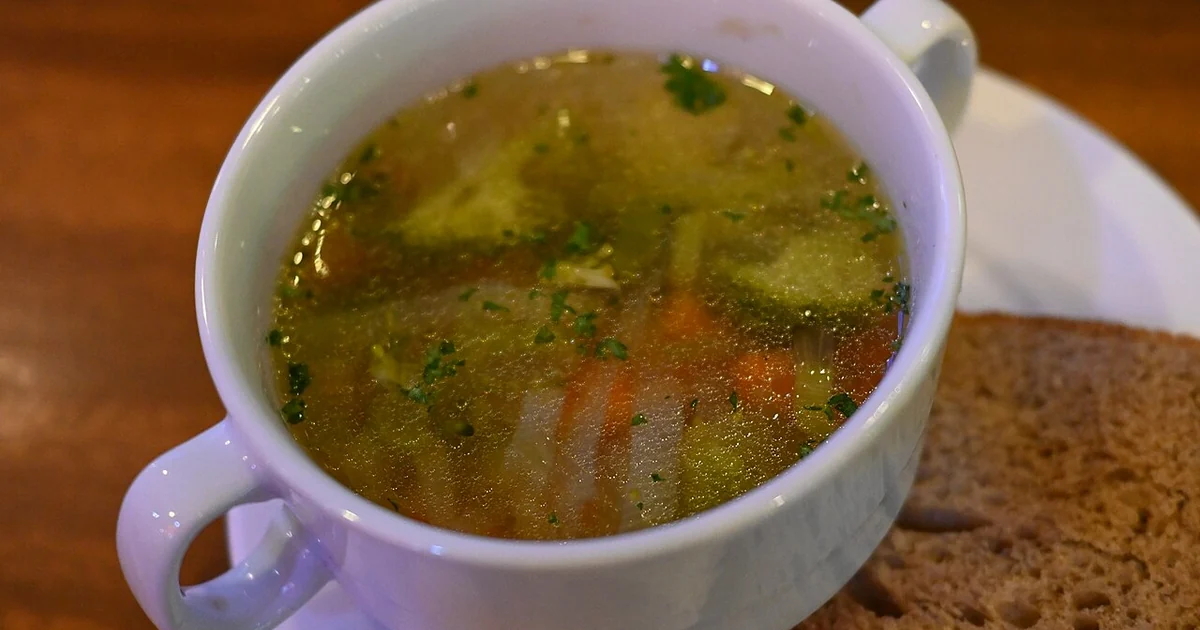
Happy Soup is a brand built around playful Filipino soups, and many home cooks who love its style eventually face the same practical puzzle: how much to make. A recipe written for four can feel wildly different when you are feeding two on a quiet weeknight or a crowd after a long weekend. Scaling a soup is less about multiplying numbers and more about thinking through how the pot will be eaten, stored, and reheated. This article offers a question-led approach to batch size that works whether you cook from scratch or are comparing homemade bowls with ordered ones.
Start With the Eating Plan, Not the Pot
Before you measure anything, describe the meal in one sentence. Who is eating, how many bowls will they realistically take, and will anyone come back for seconds? A soup that serves six at a sit-down dinner may serve eight to ten as a loose, grab-a-bowl evening, because people take smaller first portions and return. Conversely, a pot meant to last three days for one person behaves differently from one eaten in a single sitting.
Write down three numbers: expected eaters, portion size in cups, and how many meals the leftovers should cover. These three figures turn a vague feeling about "enough" into a plan you can check.
Questions That Prevent Overcooking
Most waste in soup cooking comes from a few predictable errors: making a full pot when a half batch would do, adding delicate greens too early so they turn to mush, or cooking a large volume of rice or noodles that will swell in the broth overnight. Ask yourself whether the starchy components can be cooked separately and added per bowl. Ask whether the vegetables will still be pleasant after reheating. If the answer to either is no, you have a reason to scale the base broth up while keeping the fragile ingredients in smaller, fresher quantities.
Also ask how much liquid your pot holds when it is three-quarters full. Filling a pot to the brim makes stirring awkward, slows heating, and invites boil-overs. Leave room for the soup to move and for the surface to bubble gently.
A Simple Comparison: Scaling Up Versus Scaling Down
Scaling up works well for broth-forward soups where seasoning is adjusted at the end. Bring the liquid to temperature, then taste and correct salt, acid, and aromatics in small steps. Scaling down is trickier because small volumes reduce faster and can concentrate flavor quickly. When halving a recipe, reduce the simmer time slightly and check the seasoning earlier than you normally would.
Storage shapes the decision too. A large pot that will be refrigerated should be split into shallow containers so it cools promptly rather than sitting warm for hours. If you cannot refrigerate within a reasonable window, cook a smaller batch. This is a food-handling consideration you can plan for without any special equipment.
A Batch-Size Checklist for Comfort Soup Nights
Use the following checks before you start cooking. First, confirm the number of eaters and the portion size in cups. Second, decide which ingredients are cooked fresh per bowl and which go into the shared pot. Third, make sure the pot is large enough to hold the liquid with room to stir. Fourth, plan a cooling method for leftovers, such as shallow containers and a fridge shelf with space. Fifth, label the container with the date so leftovers are not guessed at later. Sixth, note what you would change next time: more broth, fewer noodles, or a smaller pot.
Keeping a short note of these answers turns each cooking session into a reusable record. Over a few weeks you will know, for example, that a family of four eats about six cups of soup at dinner and wants one cup left over for lunch, which makes future planning fast and calm.
Comfort cooking should feel relaxed, and batch planning is what allows that. Ask the questions first, cook with a plan, and the pot will serve the people at your table rather than the other way around.